The event ends at 22:00. At 9:00 the next morning the PR department rings and asks about the photos.
This situation comes up often enough that it is worth thinking through calmly, before the event. The question of whether you need photos during the event, the next day or by the standard deadline looks like a technical detail from the outside. In practice it decides what my working day at your event looks like and what exactly lands in your inbox.
The short answer: photos during the event are needed less often than it seems, but when they are needed, they really are. I deliver the full material after selection and editing within three to five working days, and that is the standard there is no point shortening just in case. Faster, meaning during the event or the next day, I can deliver a dozen or so selected shots for urgent communication, not the whole set. And a lot depends on the hours: an event that ends at noon is one thing, a gala running until 22:00 is another. Working after dark does happen, but it should be agreed in advance, not come as a surprise.
Below I set out the three delivery deadlines, the conditions for each and what needs to be agreed before the event so that the material is in your inbox rather than in negotiations.
Three photo delivery deadlines
It is worth keeping them apart, because in conversations they usually blur into one word: “fast”.
A package during the event. A dozen or so shots go out before the event has even finished. The material goes to the media, onto social media profiles or into the press release that same afternoon.
A next-day package. A dozen or so to a few dozen selected shots the day after the event. Early enough for a post, a mailing to partners and sending to editorial teams. Next day does not have to mean eight in the morning; more on that in a moment.
Standard delivery. The full material after selection and editing, within three to five working days, counting from the day after the event.
These are not three speeds of the same service. The first two deadlines are selected shots for urgent uses, the third is the whole material. Each organises my working day differently and each costs something different.
When photos during the event make sense
It is not decided by the type of event, but by what exactly the material will be used for.
A package during the event makes sense when someone is waiting for these photos with a task to complete that same day:
- Press communication goes out that afternoon. This is typical of press event coverage: editorial teams are closing their copy, and a story without a photo is less likely to be published.
- You want to control what the media illustrate their articles with. A press package sent to editorial teams during the event means articles are illustrated with polished shots, not with phone photos taken from the tenth row.
- The event is covered live. Company profiles publish during the event, not after the fact.
- A speaker or guest of honour is leaving and a photo of them is needed for material that is produced straight away.
- A sponsor has it in the contract that it receives material showing its brand within a set time.
The mere fact that the photos will go on social media does not mean they must come during the event. A post published the next day still gets its reach. A post published a week later hardly does, but that is a different problem, and it is solved by a next-day package, not a package during the event.
A good test question: is a specific person sitting and waiting for these photos in order to do something with them within the next few hours? If so, a package during the event is justified. If the answer is “we would like to have them quickly”, the next day is usually enough.
What photos during the event require
Here we come to something that is rarely discussed when agreeing the scope, and which decides whether it works.
To deliver material during the event, I need a real break in the agenda. Not five minutes, but a window in which I can offload the cards, go through the material, choose the shots, do basic editing and send them out. And that break has to fall at a moment when nothing important is happening.
That is the heart of the problem. If the agenda is packed from the first minute to the last, it is not possible to photograph and prepare a package at the same time. Every minute spent at the laptop is a minute I am not in the room. And the moments missing from the photos are usually the ones that happened while the photographer was doing something else.
That is why, with a dense agenda, a package during the event means one of two solutions: either there is a sensible break in the schedule, or a second person is needed for offloading and selection. And that is something to agree before the event, not during it. A second person cannot be added halfway through a gala: either we have arranged it, or that option does not exist that day.
A conference with a coffee break and lunch gives such a window naturally. A gala that runs without a break for four hours does not give one at all.
A second person: a photo editor or an additional photographer
If the agenda leaves no break and the material has to go out during the event, there is a solution. A second person joins the assignment, and what that looks like depends on the need.
Photo editor. Does not photograph. Takes the cards from me during the event, offloads the material, does the selection, basic editing and sending. I am in the room the whole time and miss no item of the programme. This works when a single event takes place in a single location and the only problem is the time needed to prepare the package.
Additional photographer. Needed when the problem is not only delivering the material but also coverage. I have written separately about when one photographer per event is not enough, and the same reasoning applies here. Two rooms running in parallel, an event split across several zones, a programme in which a panel and a networking part happen at the same moment. In that case we share both the photography and the preparation of the package.
Both options are a separate scope and a separate quote. And both have to be agreed before the event, because the second person must know the brief and be on site from the start. This cannot be organised on the day: either it is arranged, or that option does not exist that day. I do not add a second person to the offer automatically, because most events do not need one. But if the brief shows that material is to go out during a dense programme, I will say so plainly when we agree the terms, instead of promising something one person physically cannot do.
The same applies to same-day photos after the event has ended. With a large, fast-moving event that finishes late, delivering material that same evening usually means two people working, not one person working a longer night.
When the next day is enough
For most of the events I work at, this is the right answer.
An evening gala, a company party, an event that ends late. Nobody will publish a post at 23:00, and the next day a package of selected shots is ready to use. The reach of an event post is concentrated in the first 24 hours anyway, so publishing the next day loses practically nothing.
I deliberately write “the next day” and not “in the morning”. After a gala that ends at 22:00, several hours of photography leave two to three thousand shots. Picking the “best ones” from them quickly, at night, on a laptop, is not an option, because a good selection takes time. The time the package goes out is something we agree, not a guess, and it depends on when the event ends and what I have in my diary the following day.
What can be done is something different, and I sometimes do it. After an evening gala, such as the MIXX Awards, I can sit down with the material that same evening and prepare a package of the key shots from a chosen part of the event, for example the awards ceremony. Choosing shots from a single moment means picking from a few dozen photos, not from three thousand, and that can be done on the spot. But that too is something agreed before the event, not a request sent at midnight.
The difference between a next-day package and a package during the event matters, though it is invisible from the outside. With a package during the event, the key thing is a break in the agenda. With a next-day package, the key thing is my availability after the event: whether I have time for the selection or am already at another event. If I have a full-day assignment the day after your event, I will not promise material for the next day, because that would not be honest.
When standard delivery is the best choice
Decidedly more often than conversations about photos would suggest.
Standard delivery covers everything that has no expiry date: material for next year’s edition, photos for internal presentations, documentation for the board, a resource to be used all year round, team photos for the website.
Selecting and editing several hundred shots is work for days, not hours. I tell clients this plainly: you cannot have your cake and eat it. A fast package means fewer photos, but it is not only about the number. A good selection means looking at every shot, and that takes time. Shortening the deadline for no reason means material that has been sorted less carefully, at the same price.
It is also worth remembering that a fast package and the full material do not exclude each other. This is not a choice of “fast or good”. A dozen or so shots go to communication straight away, and the rest goes through the normal selection and editing. You have something to publish the next day and you do not pay for it with the quality of the whole set.
How many photos you really need in a fast package
When a fast package is being agreed, the most common answer is “as many as possible”. That is usually not true, and it is worth thinking through, because a smaller package goes out faster.
For a post, a press release and an email to partners, a set you can count on your fingers is enough:
- the stage and the speakers, because they are the backbone of any event coverage,
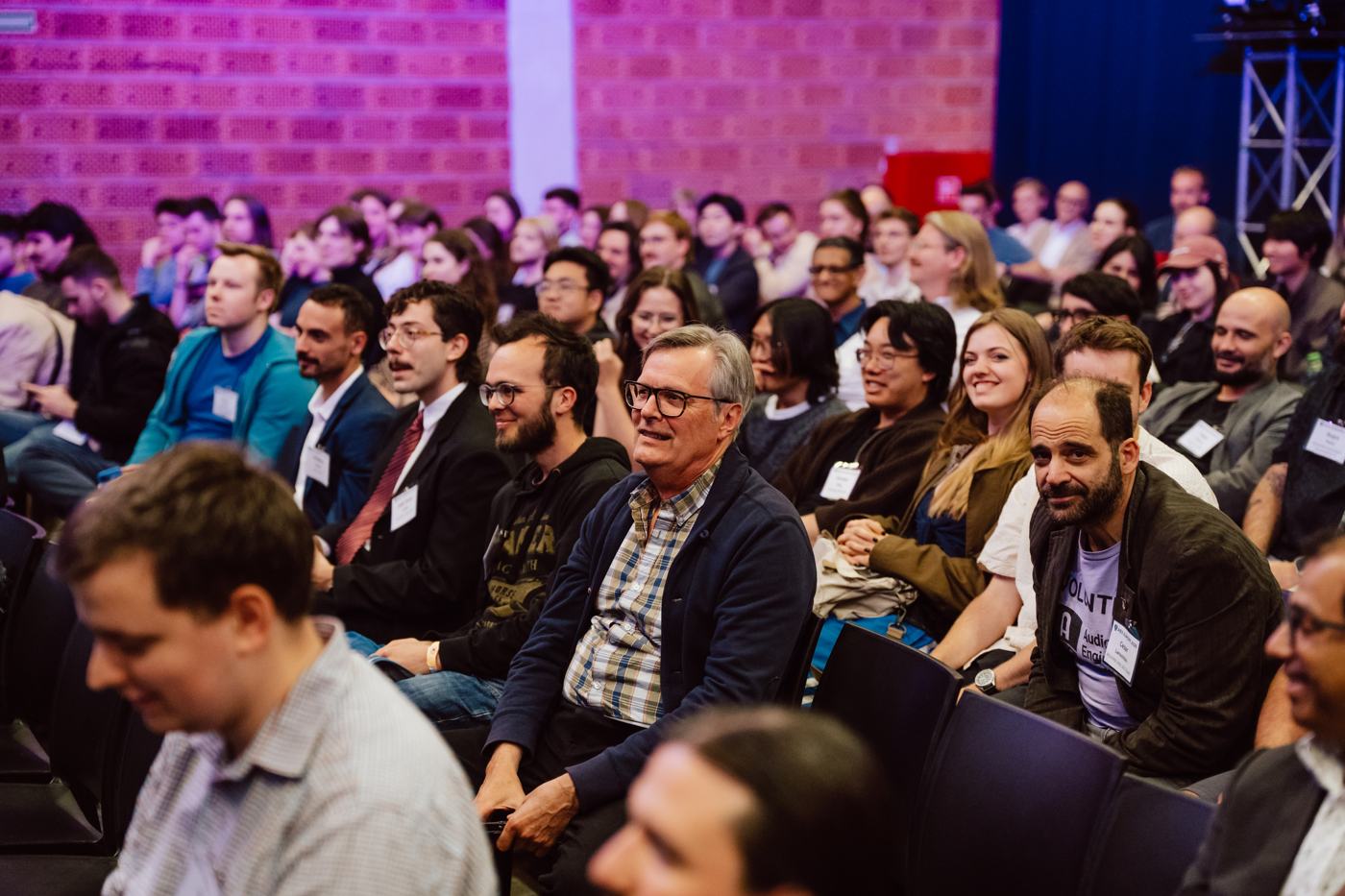
- a full room, meaning proof of turnout,
- sponsors visible on the branding, because that is the proof the sponsorship was delivered,
- two or three shots of atmosphere, so that the coverage is not dry.
I once set this list out in more detail: conference photo coverage, 10 shots worth having.
A quick selection is a different kind of looking from a selection for a full gallery. I go through the thumbnails and choose shots that carry clear information at first glance: who, what, what scale. Sometimes an interesting portrait or a situation I remember from the event catches the eye straight away, and it goes into the package. But the gems that have to be found among nuances and details will not be in a fast package. They come with the full material.
The easiest fast package is one from a specific moment: an awards ceremony, a group photo, an opening speech. Choosing from a few dozen shots of a single moment is quick. From a whole day it is not.
A dozen or so well-chosen shots do the job better than a hundred random ones that someone has to dig through first thing in the morning. The rest of the material will arrive by the standard deadline anyway.
What changes in my work when a fast package is involved
It is worth knowing what happens on the other side, because it explains where the conditions described above come from.
When I know a fast package is coming, I work differently already during the event. I make sure the full set of key shots is collected early, instead of counting on getting it done in the second half. If my shots of the opening speaker turn out weak, I have nothing to go back to, because they will not walk onto the stage a second time.
I also keep an eye on the number of photos. The fewer shots from the event, the shorter the selection, so instead of reacting to everything I choose moments, and between frames I mark the good ones for myself. After the event I then do not start the selection from zero.
The work with the cards changes too. With standard delivery I offload everything after the event. With a fast package I do it during the event, in the window we agreed beforehand, and I immediately separate the material to be sent from the rest.
This is not a shortcut or a simplified version. It is a different organisation of the same day, and that is exactly why it is better agreed earlier than during the event.
Which deadline suits your event
A few typical situations and what usually works in them.
One-day conference with breaks. A package during the event is possible, because the coffee break and lunch give a natural window for the work. If communication goes out as it happens, this is a good choice. If not, the next day is enough.
Multi-day or multi-room congress. Here a package during the event usually requires an additional person. With two rooms at once, you cannot photograph and deliver material in parallel without losses.
Press event. Almost always justifies a package during the event or on the same day. Editorial teams work on the day of the event, and material sent a day later goes nowhere.
Evening gala. The format usually runs without a break, with no window to work at a laptop. The right answer is a next-day package or a package from a single moment agreed in advance, for example the awards ceremony.
Company party or team event. Standard delivery is usually enough. A fast package makes sense only when the material is needed for specific communication, for example for recruitment or for a summary sent to the team.
Trade fairs and multi-day events. Delivering material after each day usually works, because communication lasts as long as the event itself.
These are starting points, not rules. What decides is the use of the material, not the name of the event in the calendar.
Five things to agree before the event
A fast package is part of the arrangements, not a request sent at night after the gala. A deadline of “by tomorrow” with no prior arrangements ends in a conversation at midnight in which nobody is happy.
Before the event it is worth agreeing five things:
- How many photos should be in the fast package.
- By when they need to be ready, taking into account the time the event ends.
- What for they are needed, because that determines the choice of shots. Material for the media looks different from material for a company profile.
- Whether they should be edited, or whether a selection is enough.
- Who they should go to. A specific person and an email address. A package sent “somewhere in the company” can spend longer looking for the right inbox than it took to produce.
On top of that comes a question about the agenda, if we are talking about a package during the event. An ordinary day plan as a PDF is enough to judge whether a window for the work exists at all.
These arrangements affect the scope and the price. Not because faster automatically means more expensive, but because a fast package is additional work done at a time when I would normally be photographing or no longer working.
What it looks like in practice
Four situations from my assignments, each with a different delivery deadline.
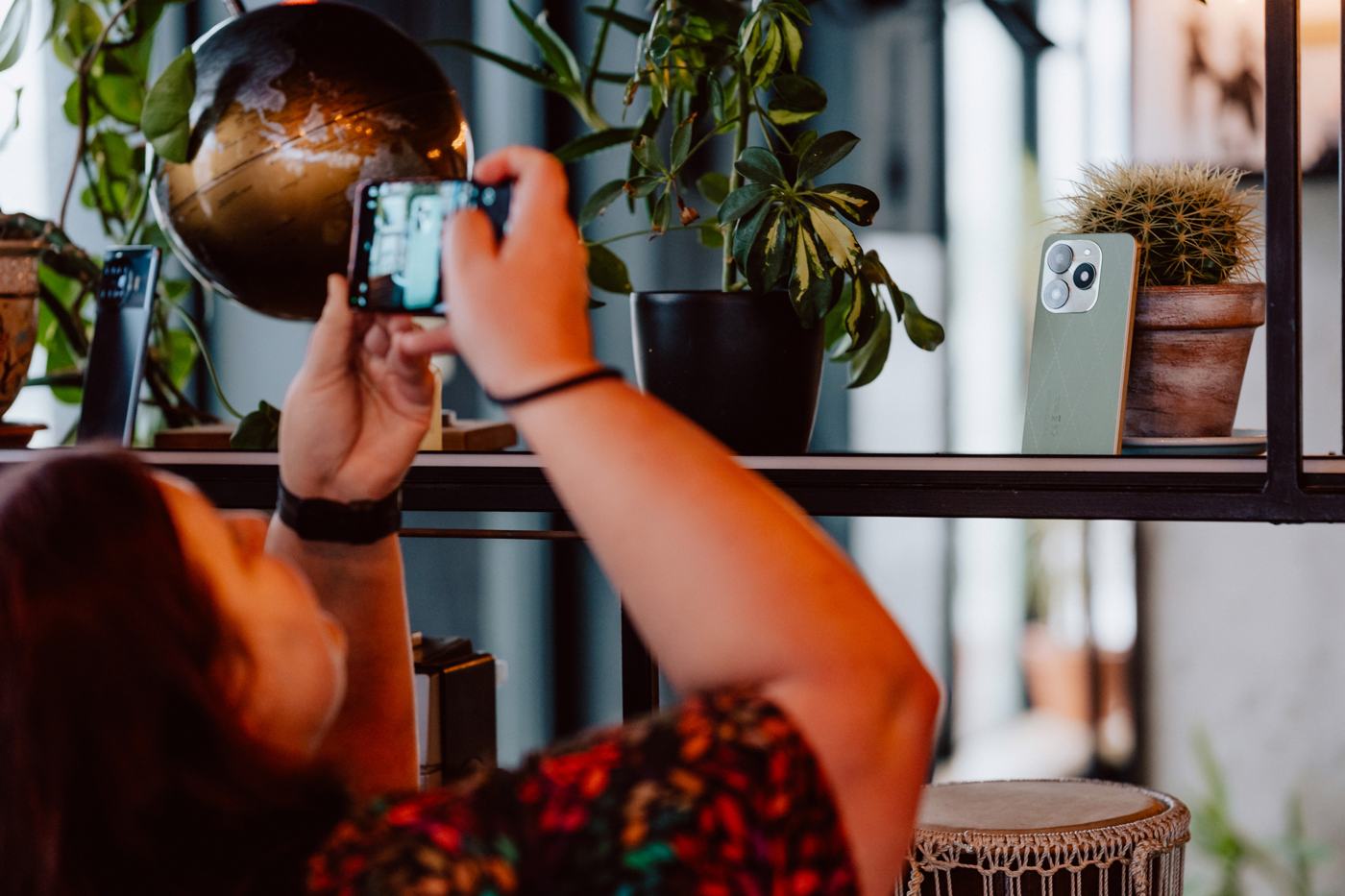
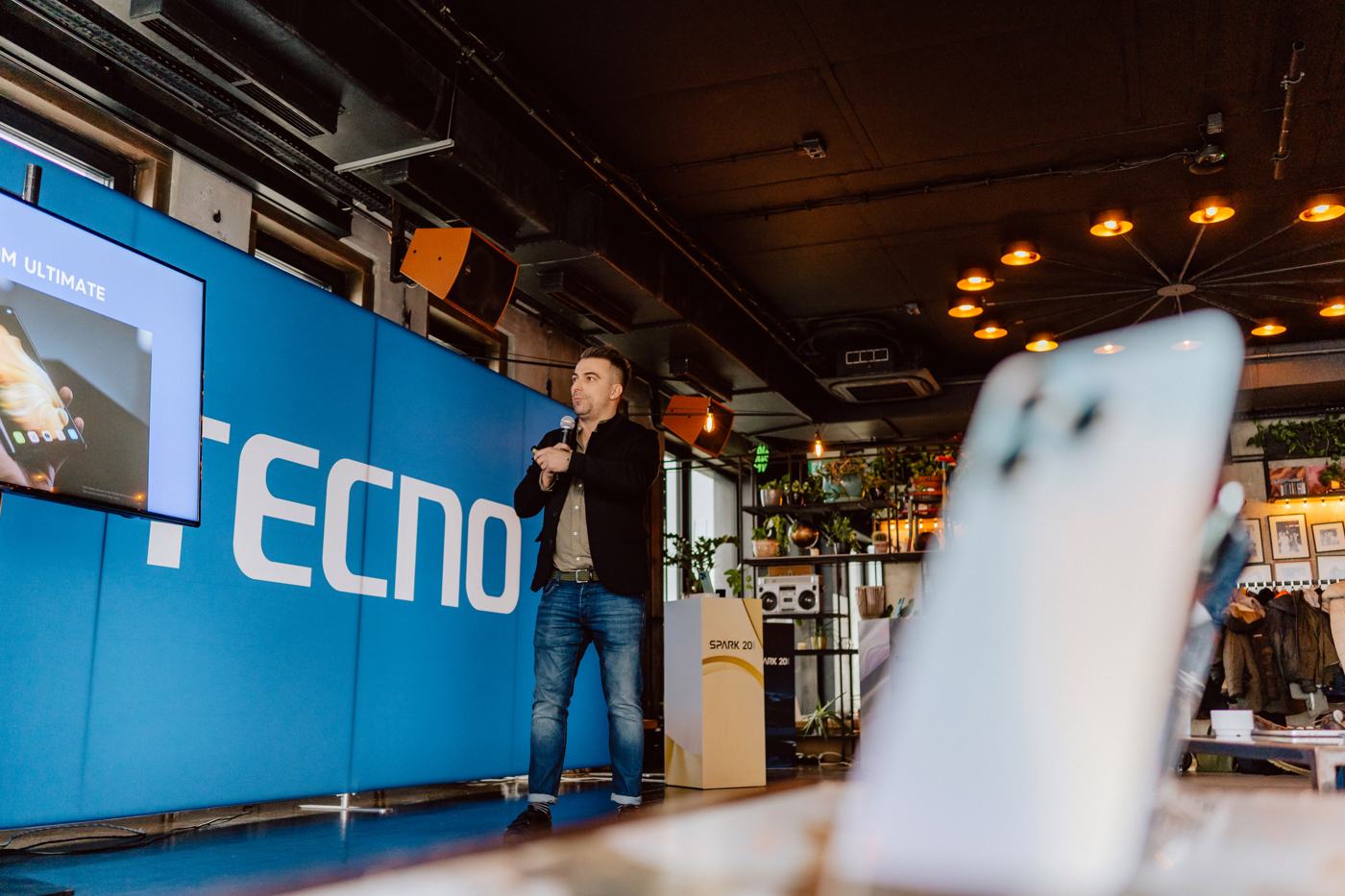
Tecno Spark 20 press event. The debut of a new phone brand on the Polish market, with technology journalists in the room who publish pieces about the launch the same day. The event ran from 10:36 to 13:20. I exported nineteen shots for the media at 13:16, before it had even finished, so editorial teams had polished material before they would have reached for phone photos. The full set, 197 photos, went out a day later.
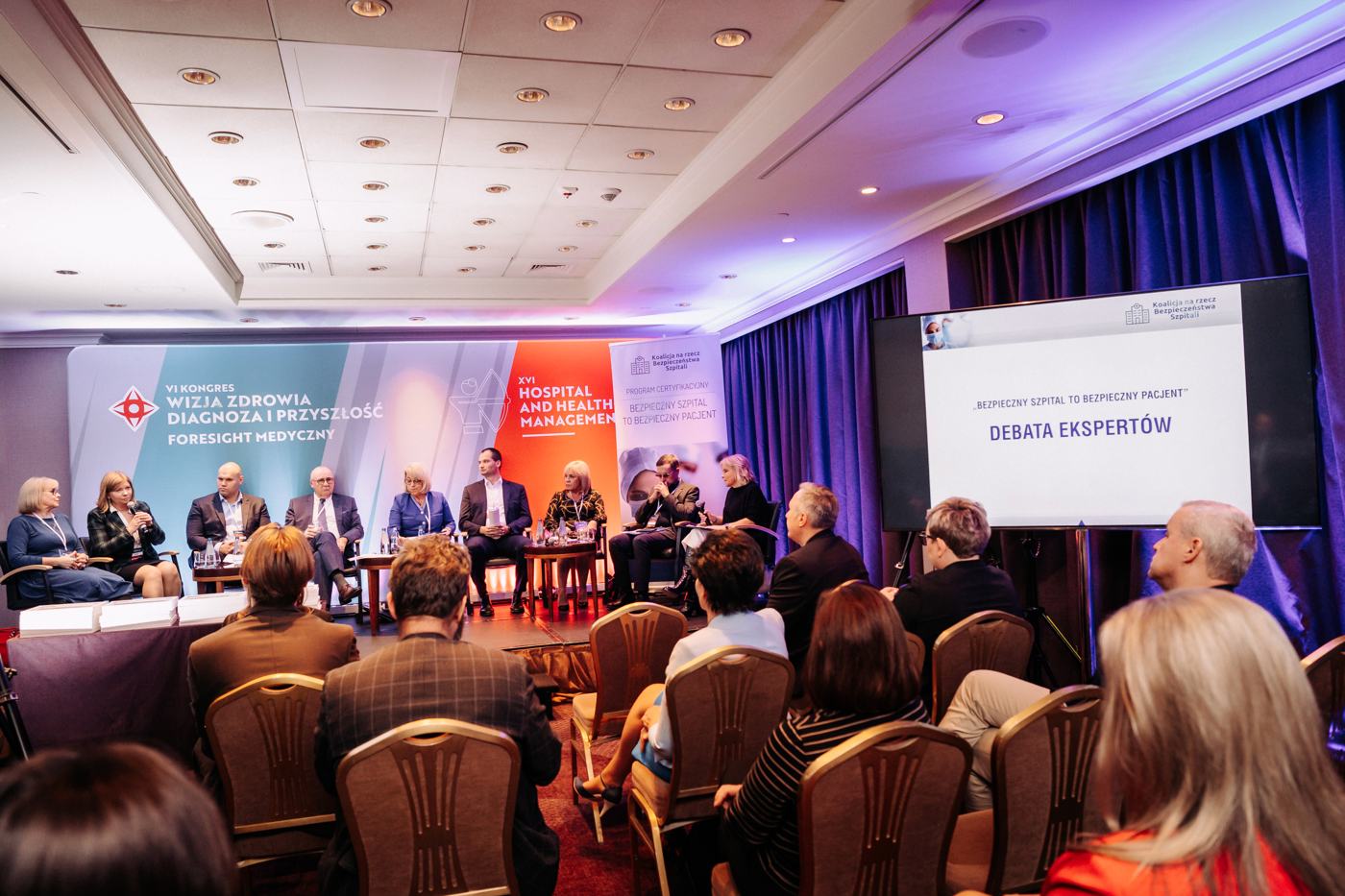
Healthcare congress. Material delivered the same day. A large industry event where communication ran in parallel with the programme.
Vernissage STARS. FANGOR. SYLWESTROWICZ. A teaser, 140 shots, the next day. The full set, 245 photos, in nine days. That teaser had a specific job: it went to the media as press material and it was what the coverage of the vernissage was illustrated with, in Viva, Elle and La Mode among others.
Medical congress with two rooms in parallel. Material delivered live, during the programme. This is an example of a situation in which a package during the event required two people working: with two rooms running at the same time, one photographer cannot collect material and deliver it in parallel. I worked there as the second photographer, precisely so that both tasks could be combined without gaps in the coverage.
Four different events, four different deadlines. In every case what decided it was what the organiser had to do with the material, not how fast it could be delivered.
Frequently asked questions
No, unless we agree it beforehand. It is an additional scope of work, so I discuss it when we agree the terms, not after the fact.
Three to five working days, counting from the day after the event. If you need it sooner, tell me before the event, because then it can be planned.
No. It is the same material, only with a smaller selection and basic editing instead of full editing. The shots you receive in the package come back later in the complete set in their final version.
Then either we move the delivery to the next day, or a photo editor joins the assignment who deals solely with offloading, selection, editing and sending. The photo editor has to be arranged before the event; they cannot be added during it.
With a short event that finishes early, usually yes. After an evening event, a package from a chosen moment agreed before the event, for example the awards ceremony, is realistic. I do not promise a full selection of the best shots from the whole evening on the same day, because it could not be done well.
Summary
The question is not “how fast can I get the photos”, but “who is waiting for these photos and what for”.
If a specific person has a task to complete with them during the event, we plan a package during the event and check the agenda. If the material is needed for communication the next day, a package of selected shots the following day is enough. If the photos are to serve all year round, the standard deadline of three to five working days will give a better result than haste.
All three variants can be combined in one assignment. They only have to be agreed before the event, not at midnight after the gala.
If you are planning an event and are not sure which deadline you will need, send me the date, the venue and approximate hours together with the agenda. I will come back with a concrete proposal for the scope and quote.