You’ve booked the photographer. The date is confirmed. Now you’re staring at an empty email, trying to work out what else they need to know.
Most briefs are too short or too long. Too short, and the photographer shows up guessing what matters to you. Too long, and the useful details drown in a five-page run-of-show nobody has time to read twice. Neither gets you the photos you need.
Here’s what a brief needs to cover, and why.
Start with what the photos are for
Before the agenda, before the floor plan, answer one question: where will these photos go after the event? A conference recap for LinkedIn needs different shots than a board report. A press release needs different shots than an internal newsletter.
Say it plainly: “We need five images for a press release by Monday, and a full gallery for the internal recap by the end of the week.” That one sentence tells me more than three pages of agenda, because it sets priority. If the schedule runs over and something has to give, I know what not to skip.
The agenda, but only the parts that change the shot list
Send the agenda, but mark what needs coverage. I don’t need to know that lunch is at 12:30 unless there’s a sponsor booth open during lunch that needs documenting. What I do need:
- The moments with no second chance: a keynote, an award, a signing, a specific handshake between named people.
- Anything happening in parallel, in more than one room or zone, so I can plan the movement between them instead of discovering the second stage at 2pm.
- Anyone who must be photographed by name: the CEO, a specific sponsor, a speaker whose bio photo is outdated.
Who needs to be identified before the event, not during it
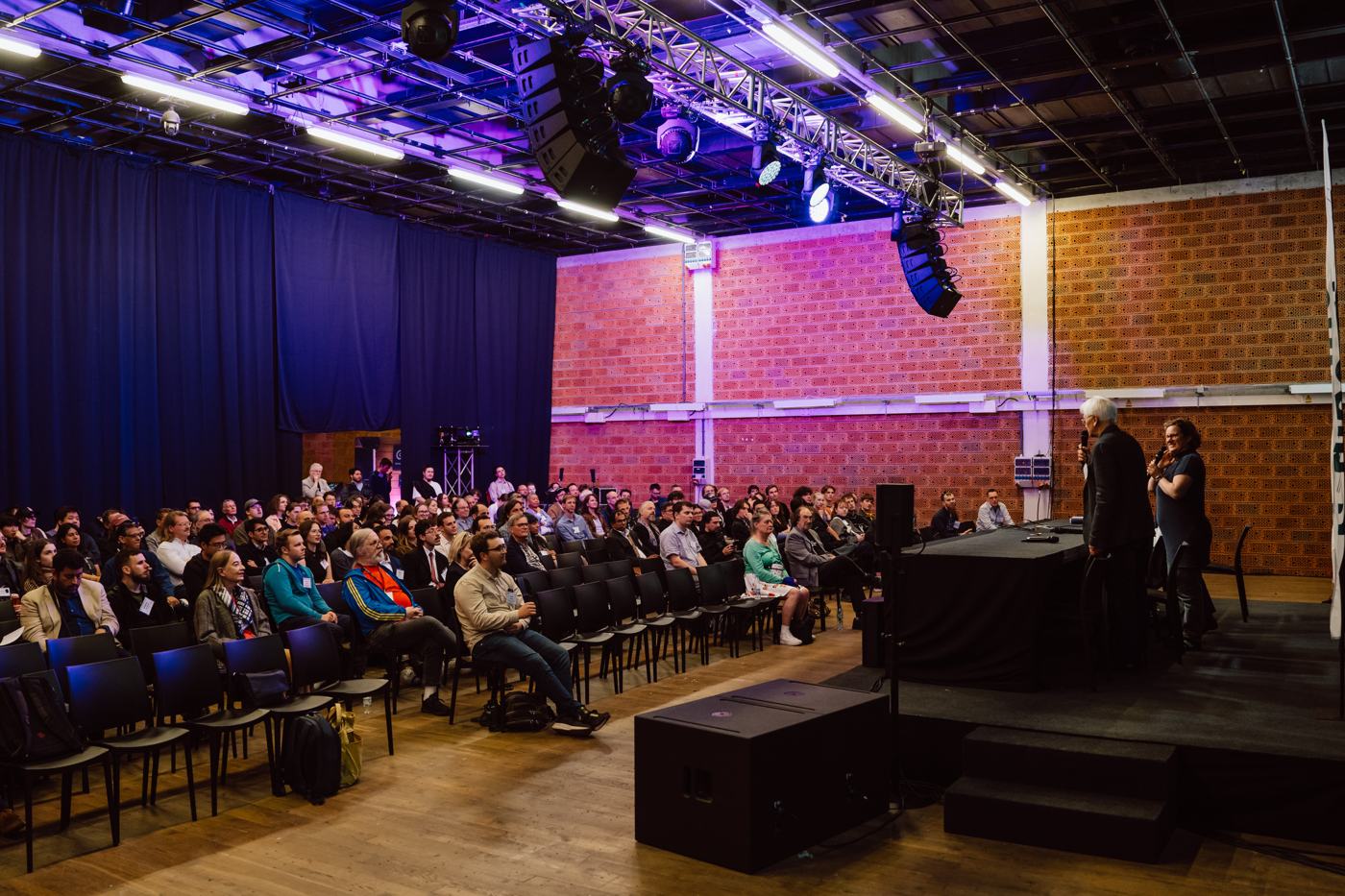
This is the detail most briefs skip, and it’s the one that costs the most time on the day. Working alone at a 200-person conference, I can’t ask every third person “and you are?” without slowing the whole event down. If there are VIPs, sponsors or partners who must appear in the gallery by name, send a short list with a way to recognise them: a badge colour, a seat, a photo from LinkedIn. Ten minutes on your side. On site it saves a lot of asking around.
Branding, without a separate meeting about it
If sponsor logos, a step-and-repeat wall or specific branded materials need to appear in shots, say so and say where they’ll be: which wall, which booth, which side of the stage. If I know in advance, the logo wall is on my shot list. If I find out on arrival, I’m working from memory in the middle of a live event, and something gets missed.
What happens to the photos after
Say who receives the gallery, how fast you need a first selection versus the full delivery, and whether anything needs same-day turnaround for social media. If nothing is urgent, say that too. Then I can plan the editing time instead of rushing everything by default.
One thing not to include: a shot-by-shot script
A brief that lists every single photo to take (“9:05am: photo of the registration desk”) works against you. It takes away my room to react to what’s going on, and that’s where the photos that matter usually come from: the moment a speaker gets an unscripted laugh, the reaction in the third row, the handshake that happens two minutes before it was scheduled. Brief the priorities and the people. Let the coverage of the event itself stay flexible.
A brief that works, in five lines
If you write nothing else, write this:
- What the photos are for, and by when.
- The moments with no second chance.
- Who must be identified by name, and how to recognise them.
- Where branding needs to appear.
- Who gets the gallery, and how fast.
Everything else is useful context, not a requirement. A five-line brief sent a week before the event beats a detailed one sent the night before.
If you’re planning a conference, a gala or a corporate event in Warsaw, those five lines are the best way to start your enquiry.