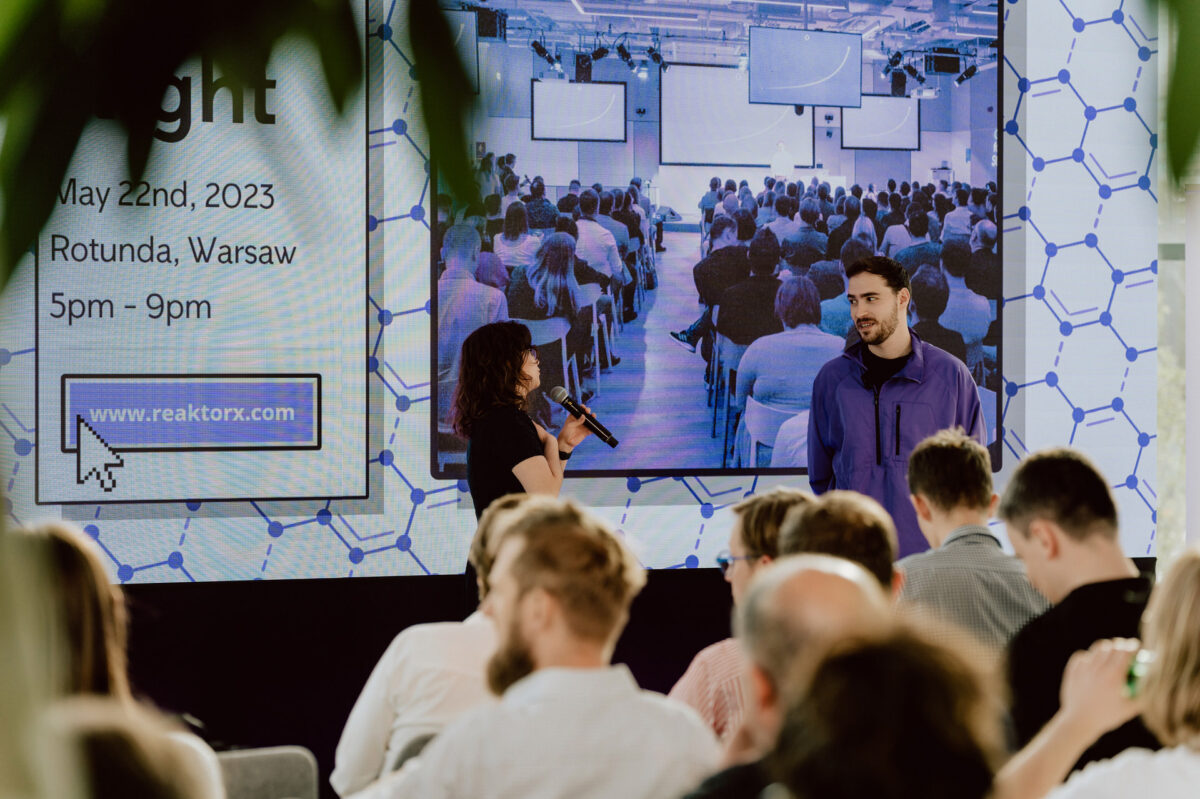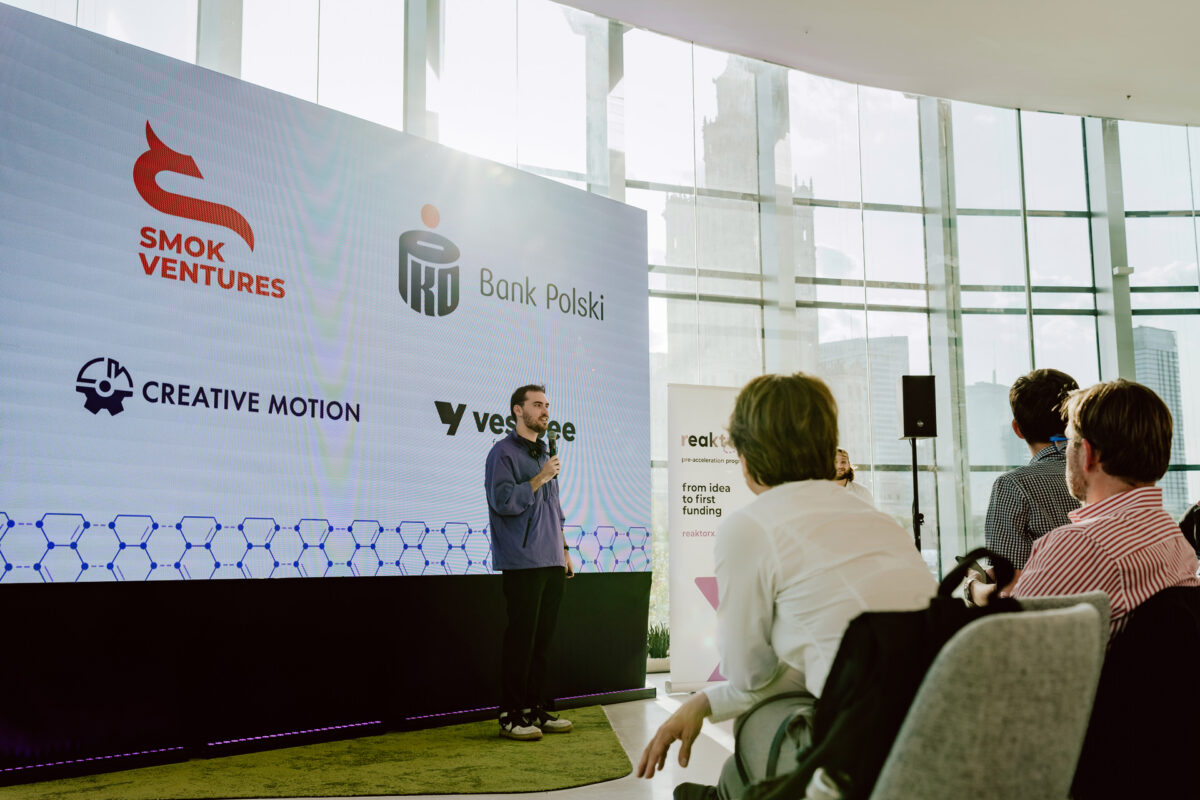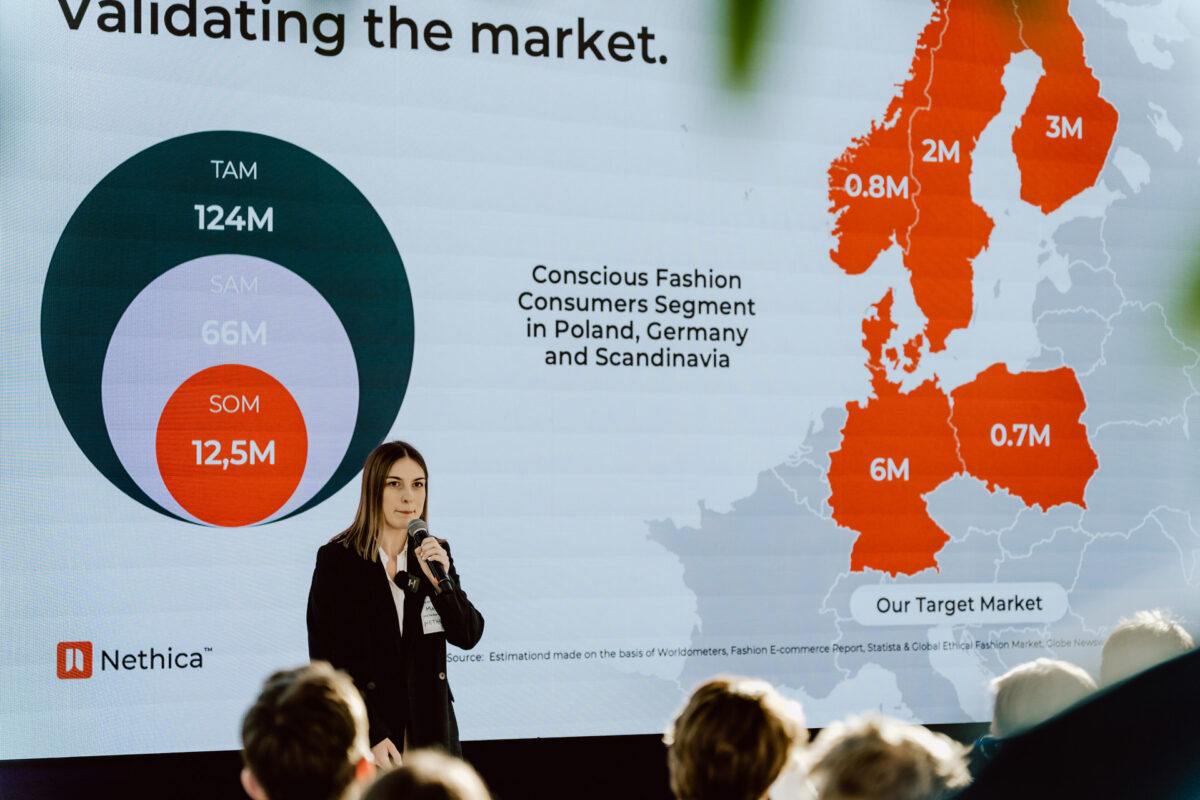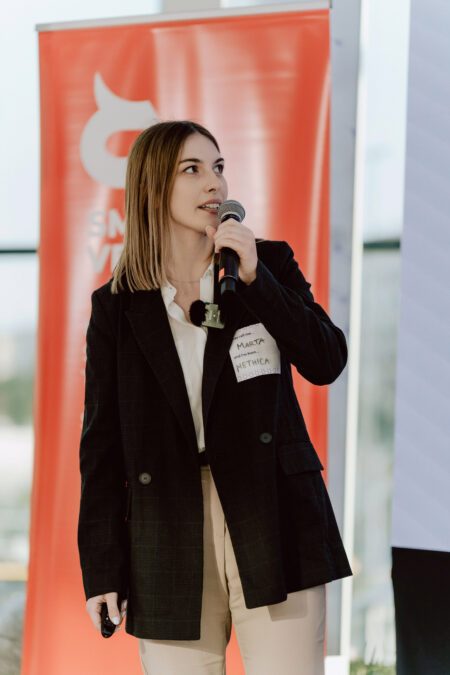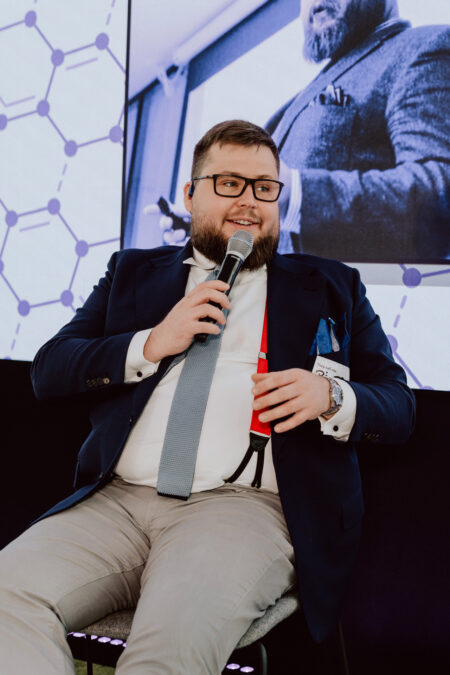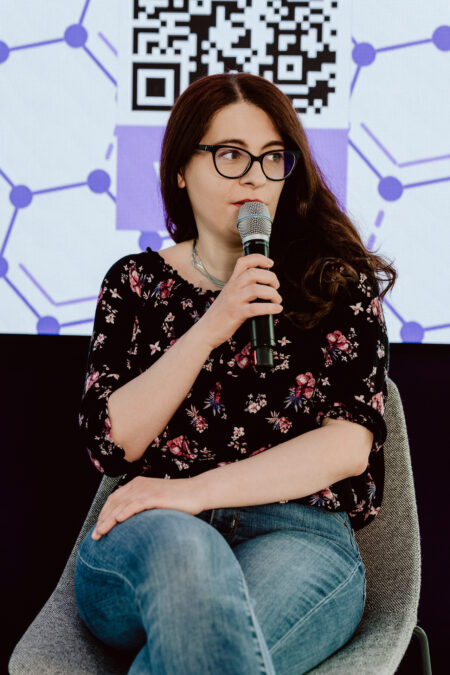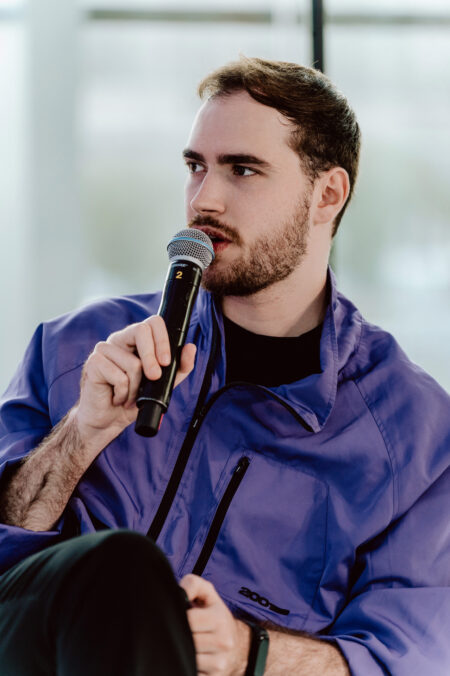
Demo Night is the moment of truth. For startups – because a few minutes on stage determines how they will be remembered by investors. For the organizers – because it is the showcase of the entire accelerator program. As photographer of startups I have to reliably document the presentations in a very short time, without disturbing the performers. It is the business ideas that are most important here, and photography is supposed to support them, not dominate them.
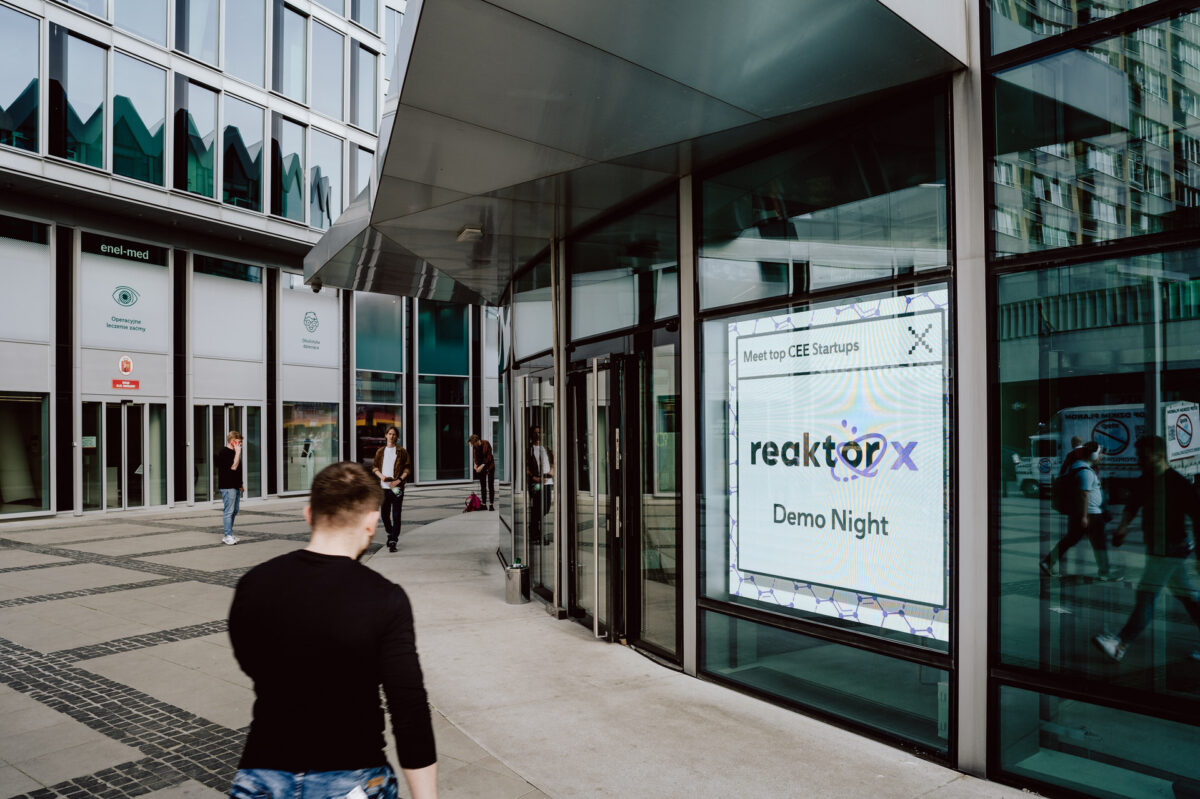
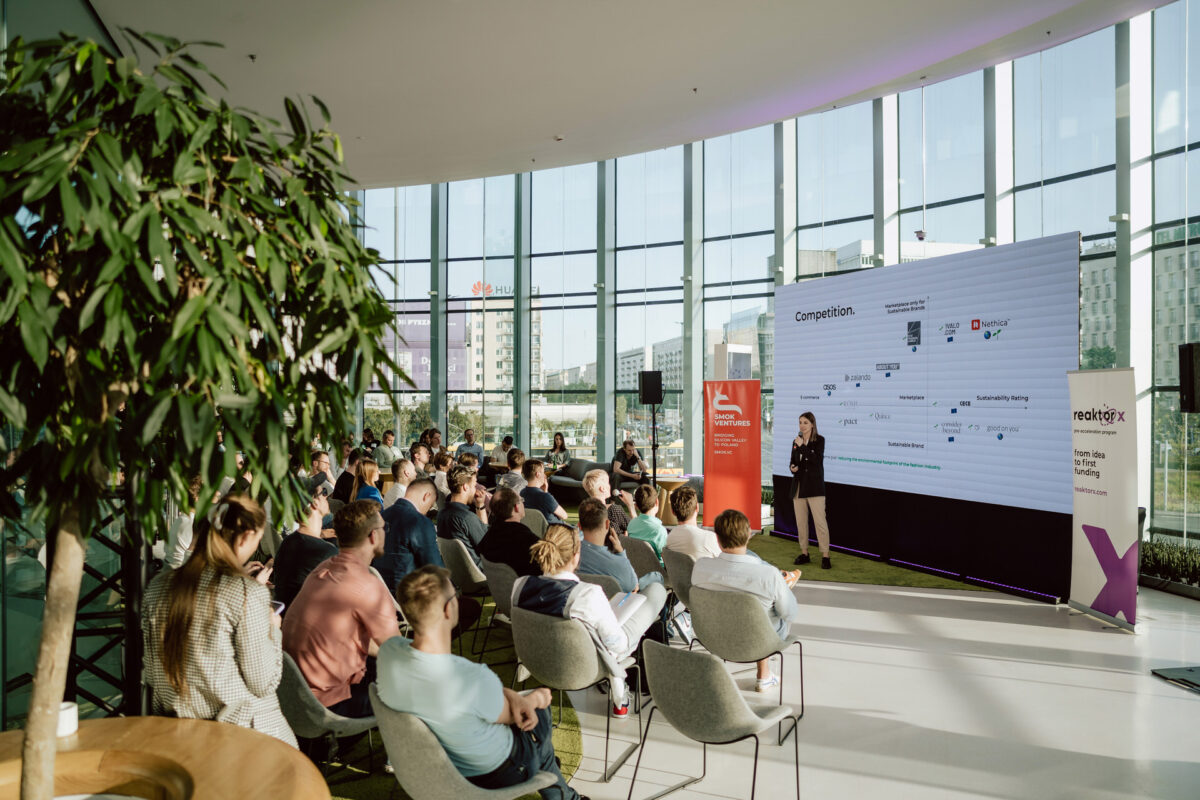
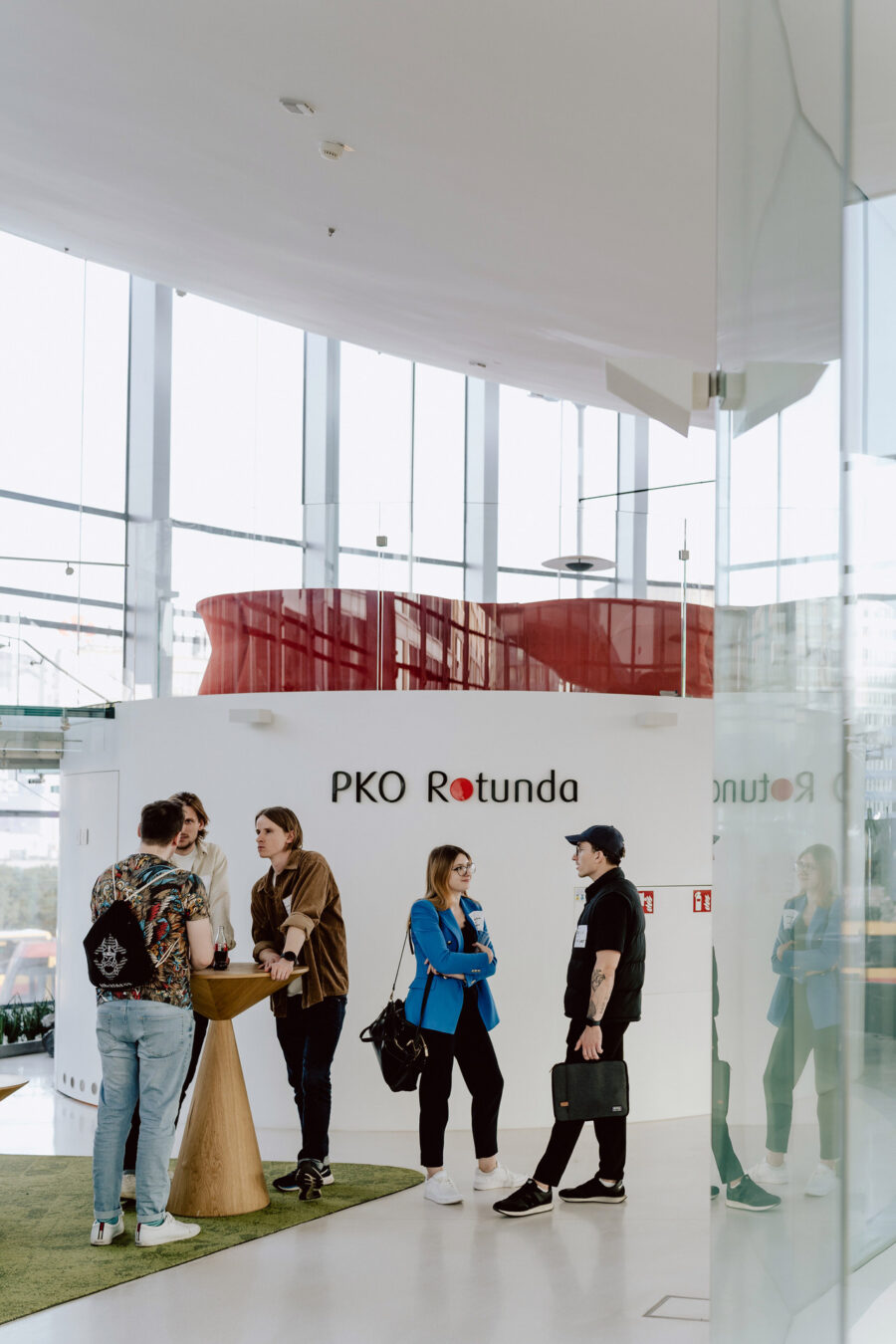
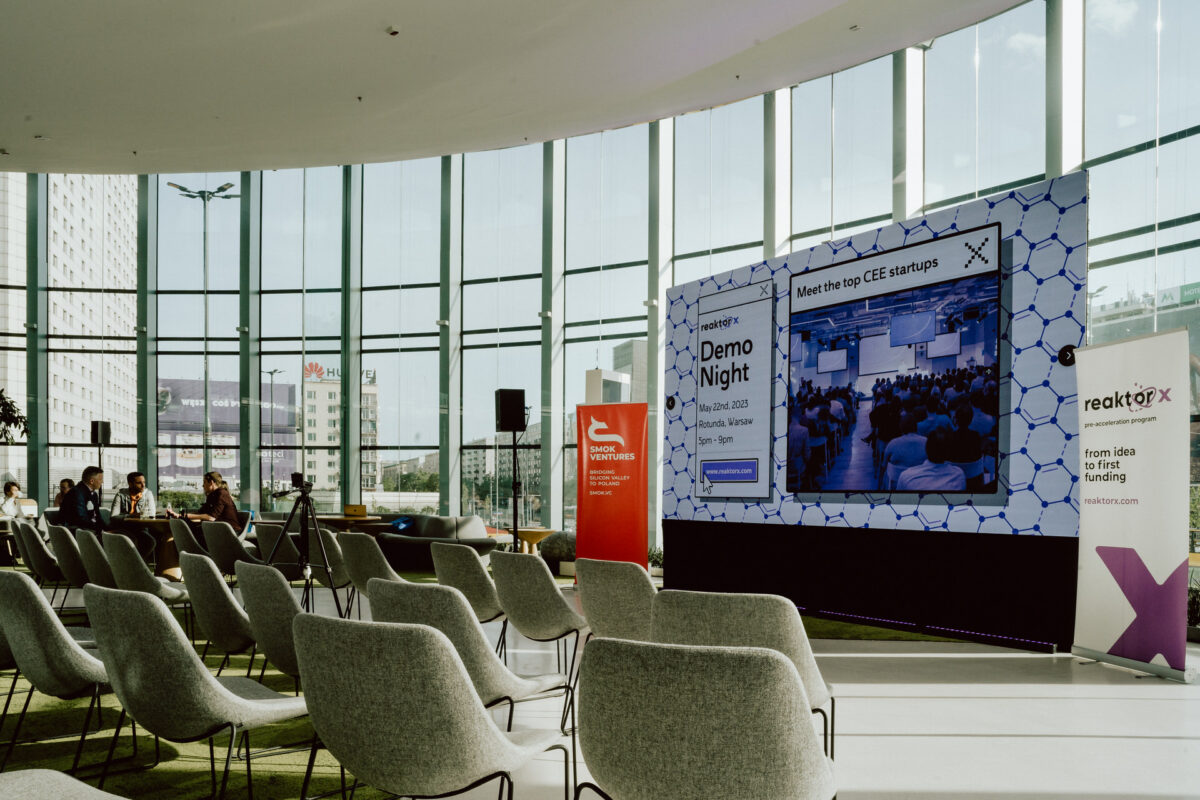
On May 22, 2023, I photographed the finale of the 11th edition of the accelerator ReaktorX in Warsaw’s Rotunda PKO. A closed event, carefully selected guests, investors, mentors and founders, and a single stage where a lot weighed in for several hours.
If you’re interested in the broader context of my work on technology and startup events, you can also see other projects from the startup ecosystem, including events organized by Aula Polska.
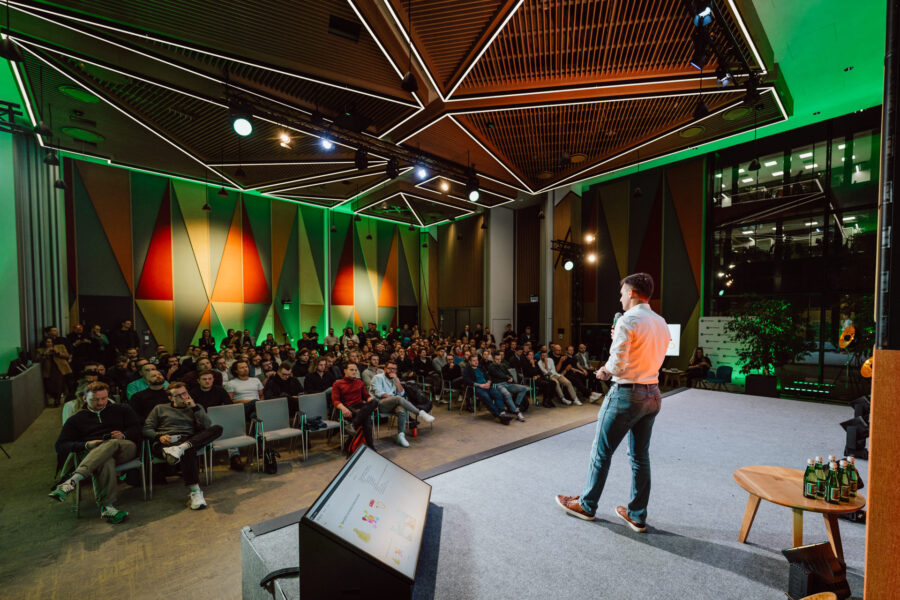
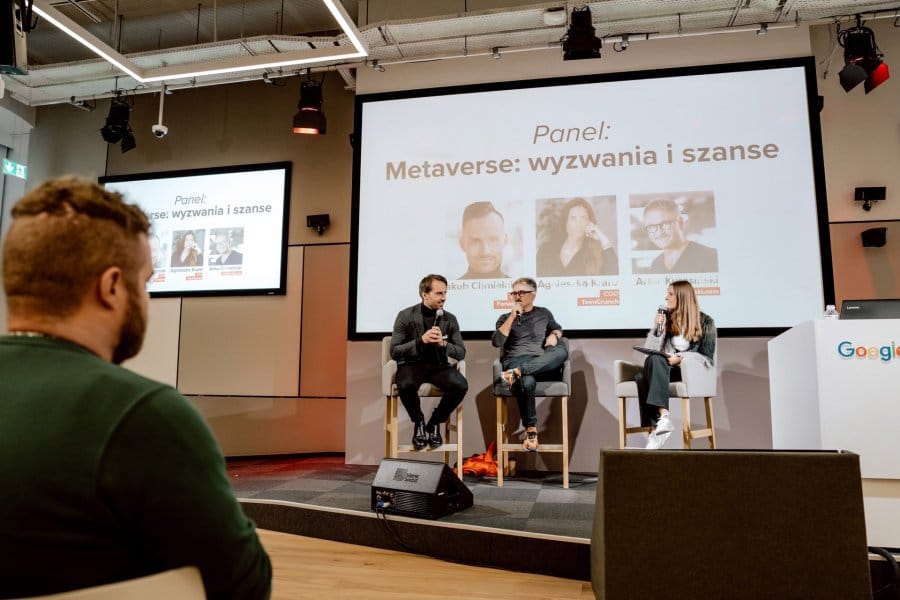
Context: startups, investors and time pressure
Demo Night ReaktorX is not a classic business conference. It’s a looser format in atmosphere and relationships, but with no room for randomness. There is freedom, but there is also responsibility for each key moment, resulting from:
- very short speaking time,
- the real stakes on the other side of the presentation,
- high concentration of emotions – from tension before going on stage, to concentration during the pitch, to relief after stepping out of the spotlight.
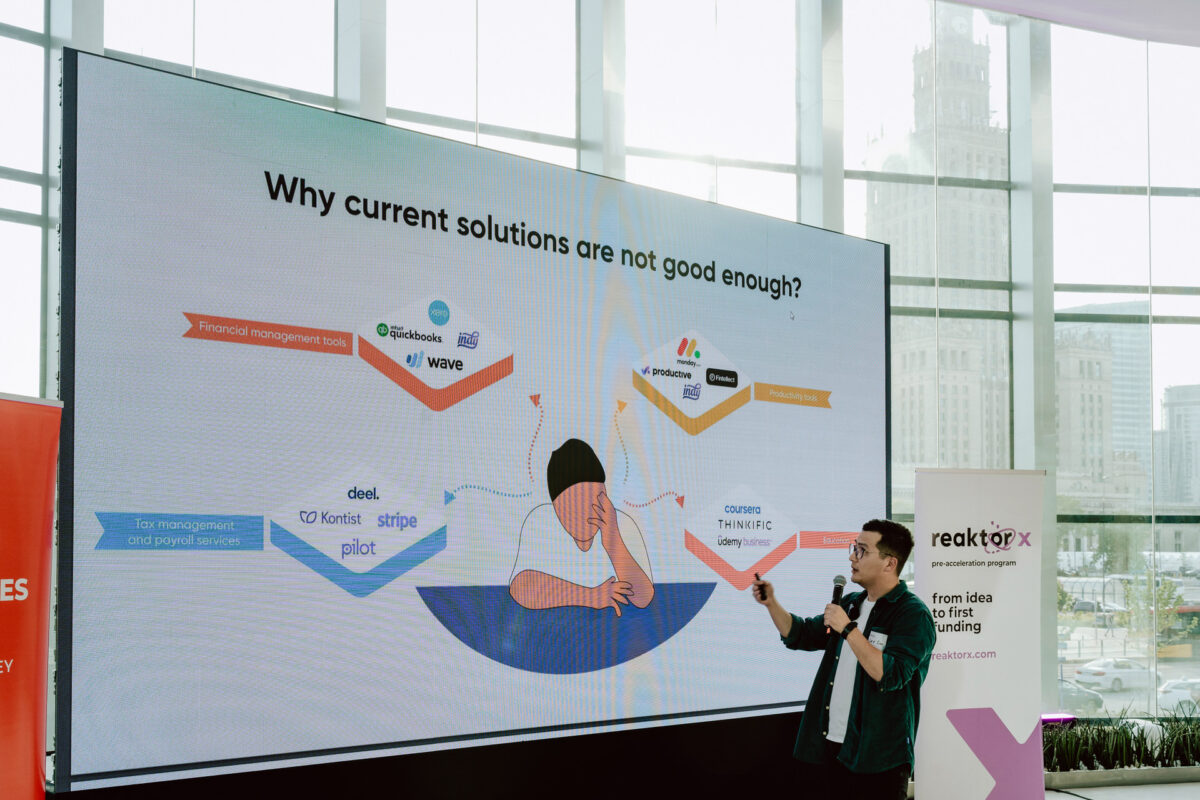
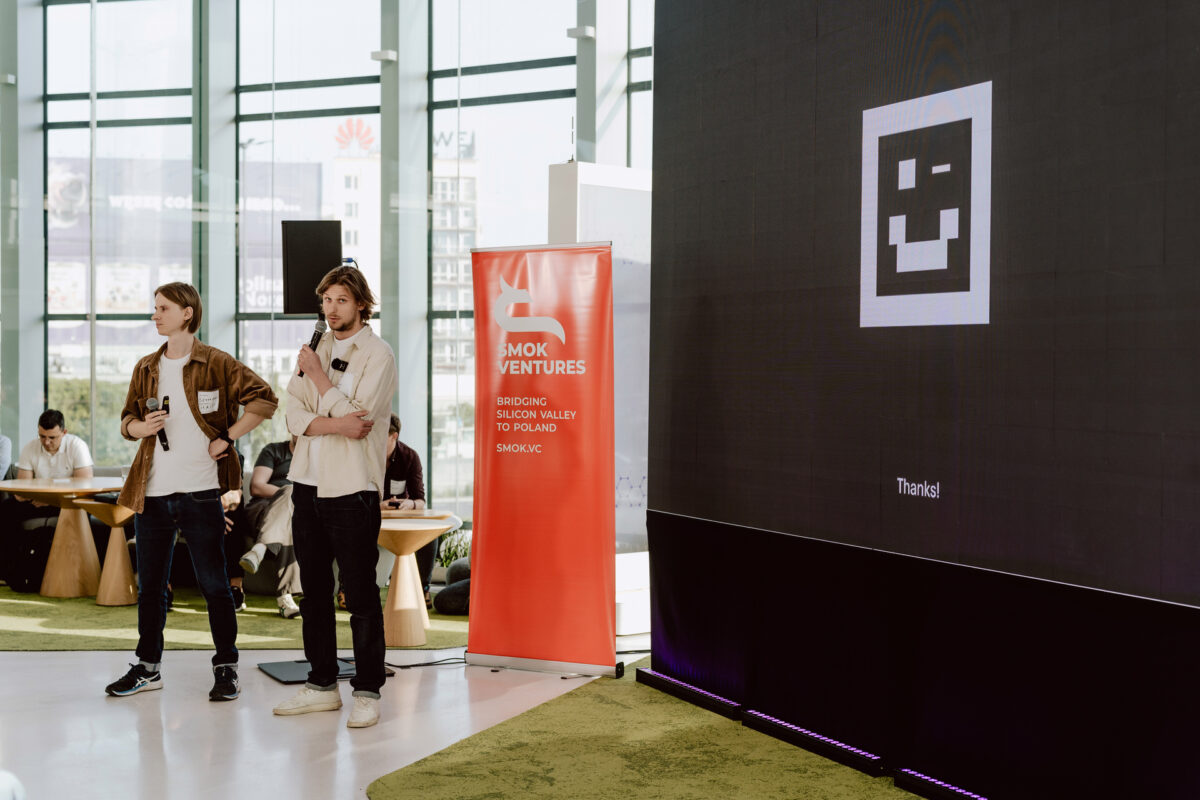
Five startups, selected from hundreds of submissions from the CEE region, presented their projects in front of a jury and an audience. At the same time, the event was streamed online, which meant one thing: the photos had to be clear and ready to be used in communications right after the event – in social media, PR and investor materials.
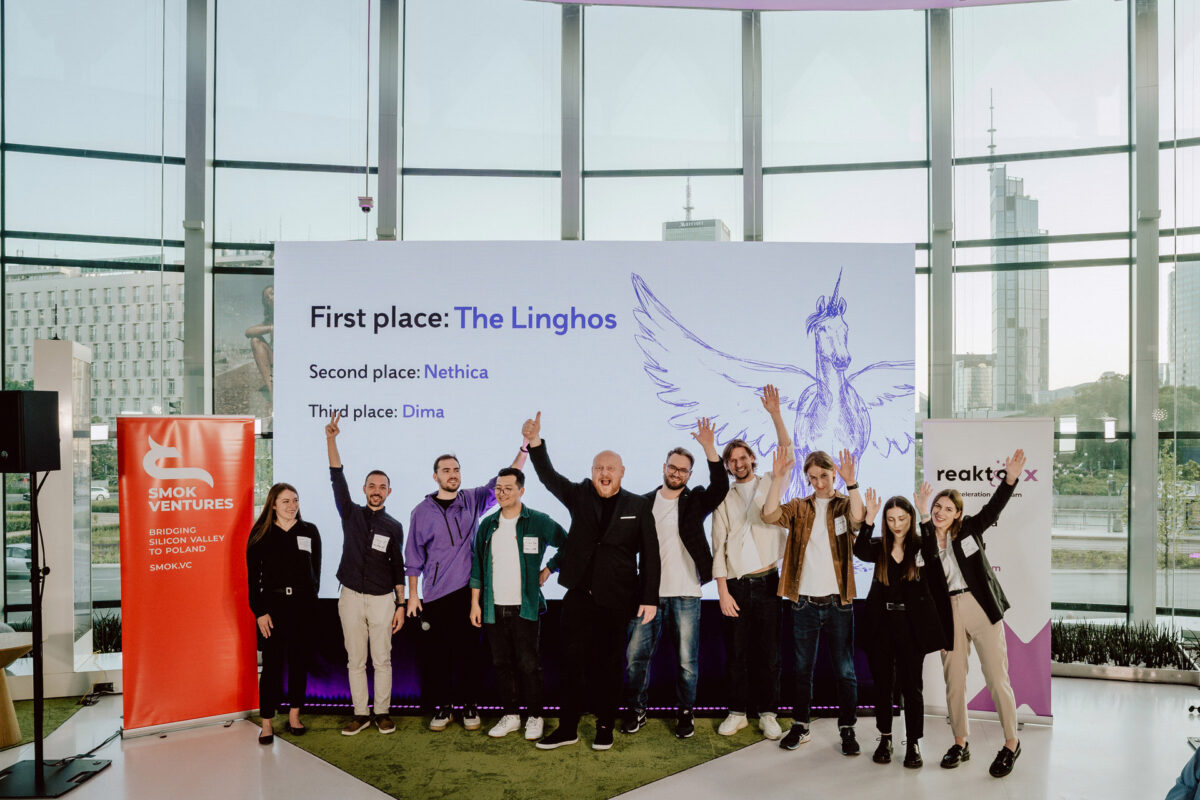
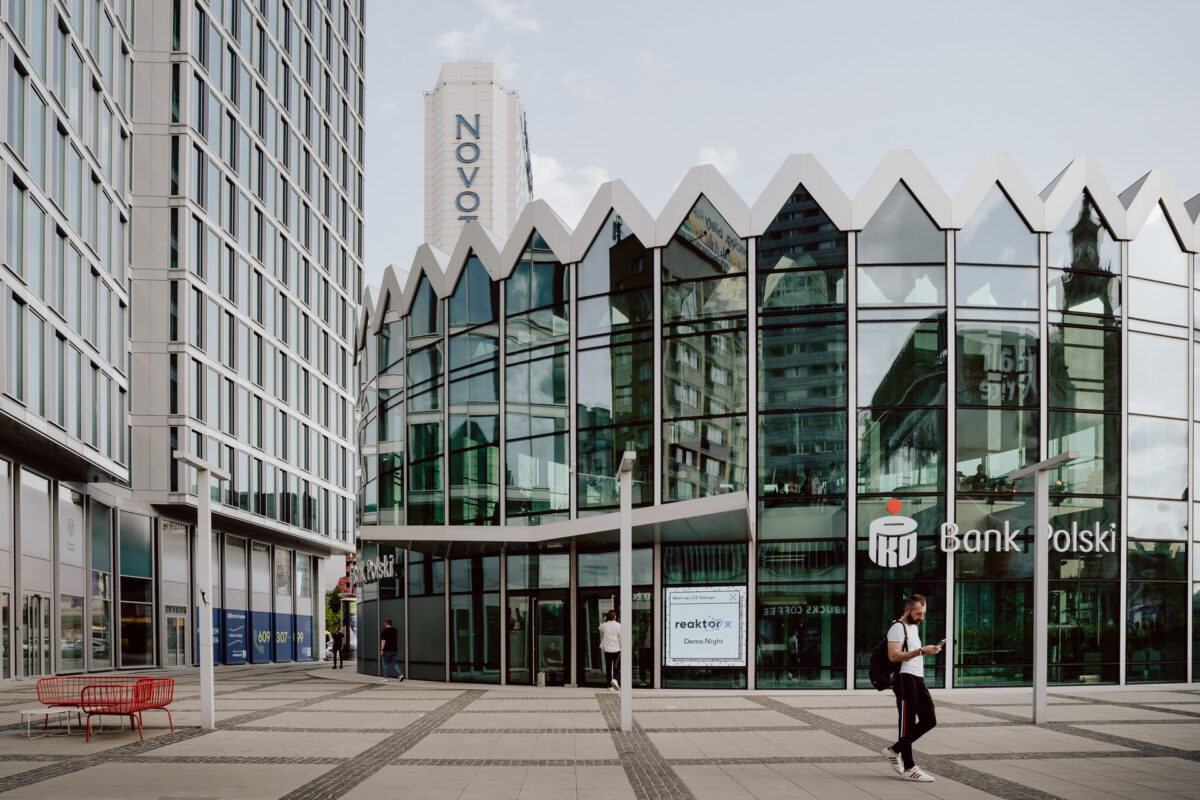
Light and space of the PKO Rotunda
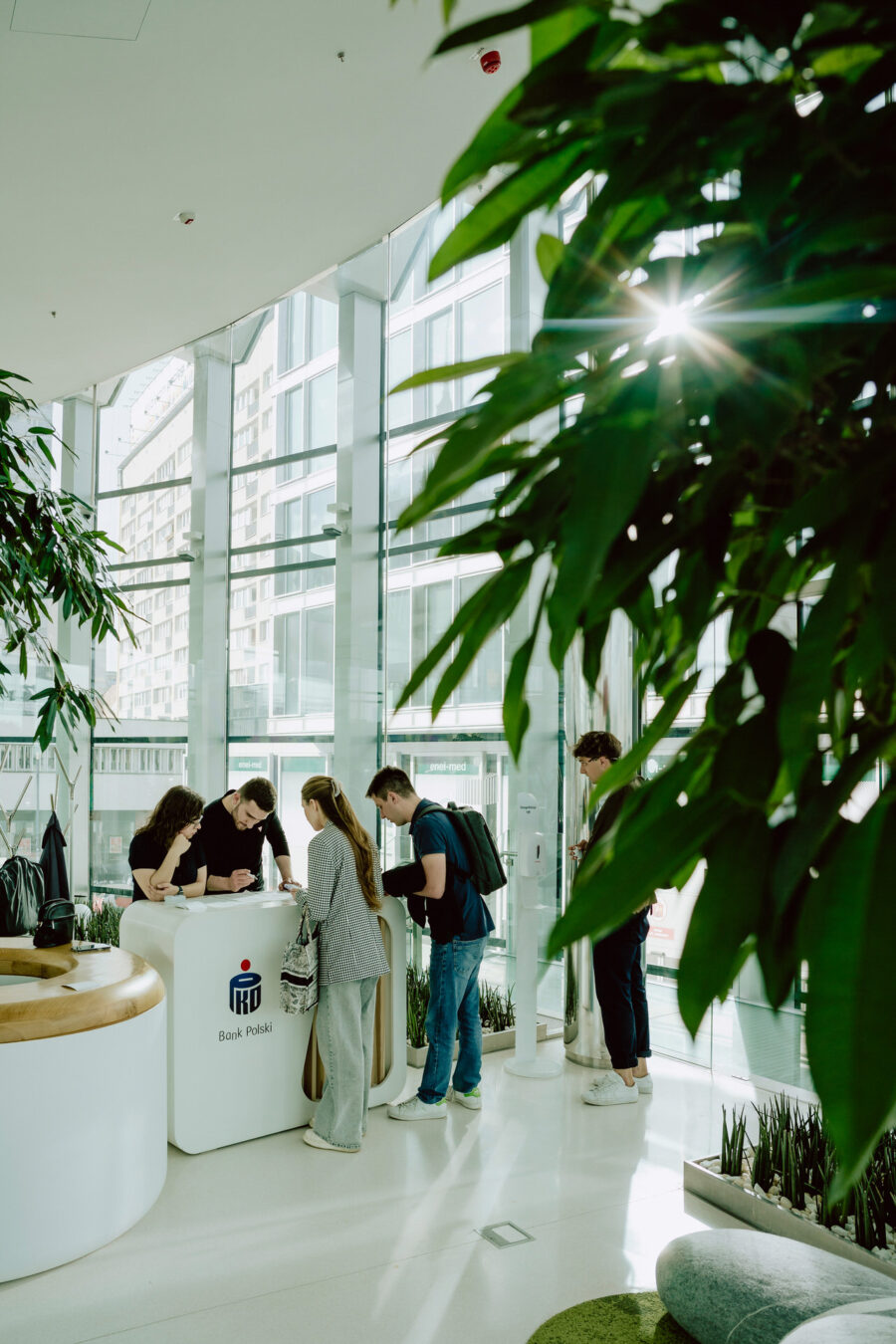
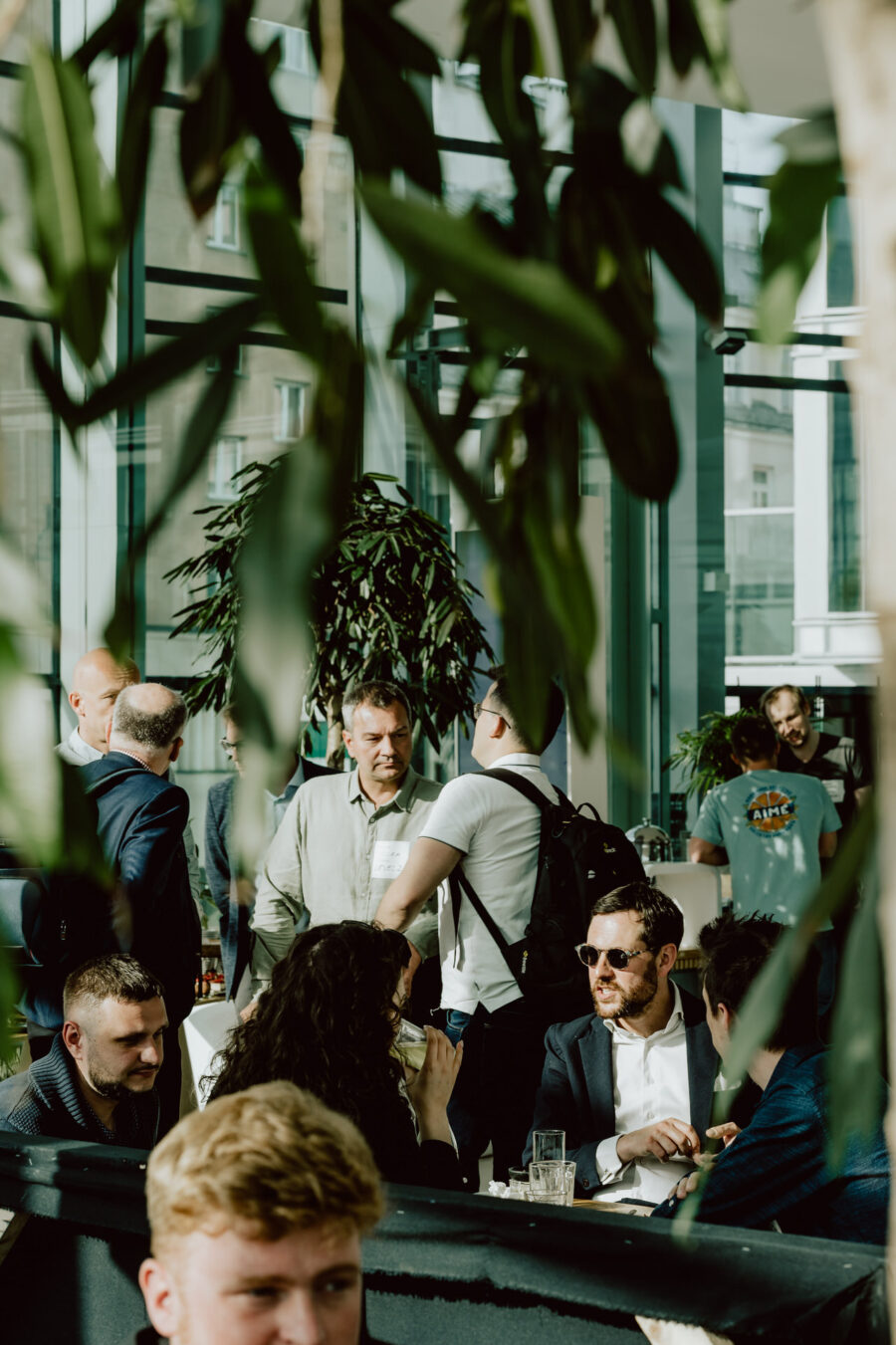
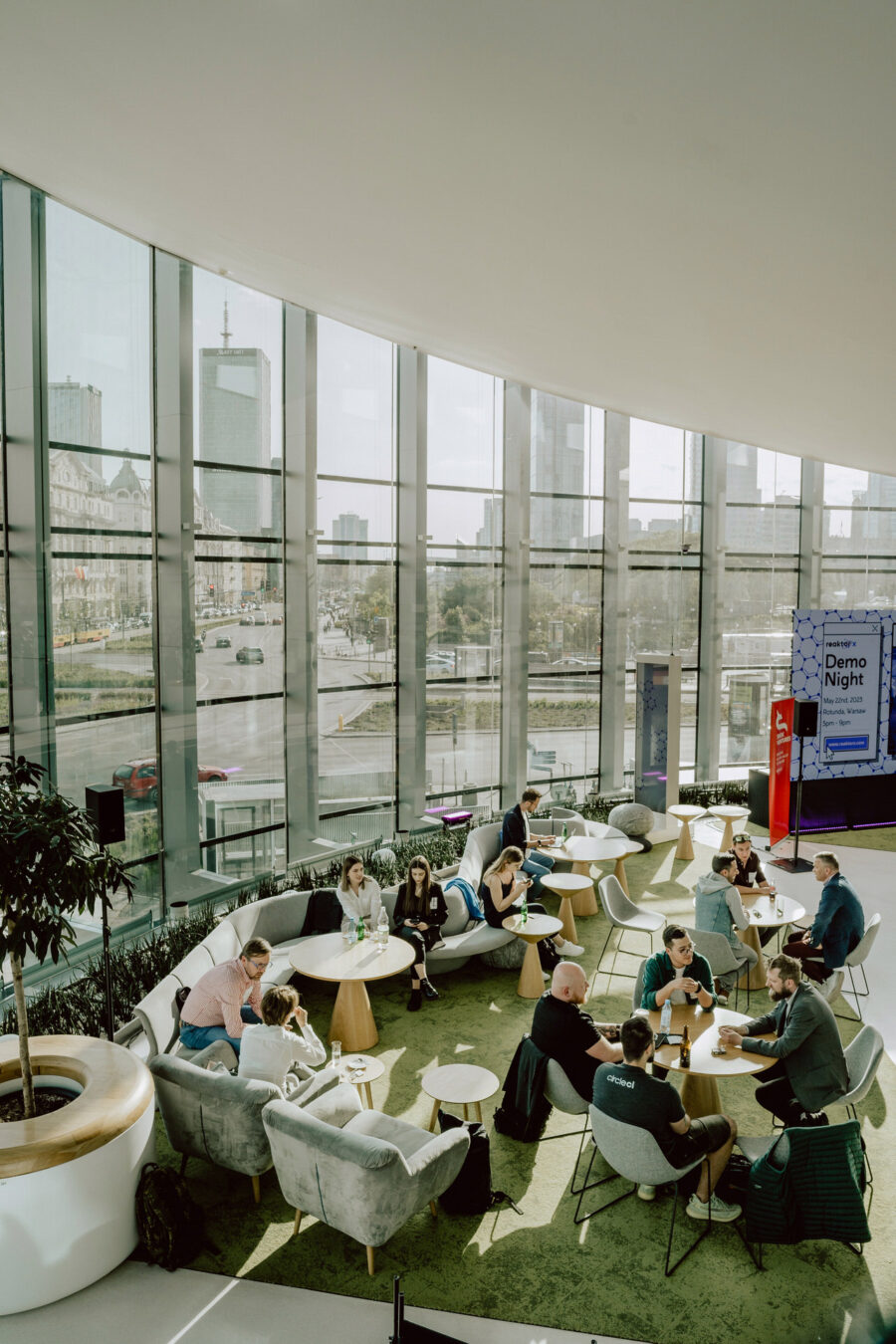
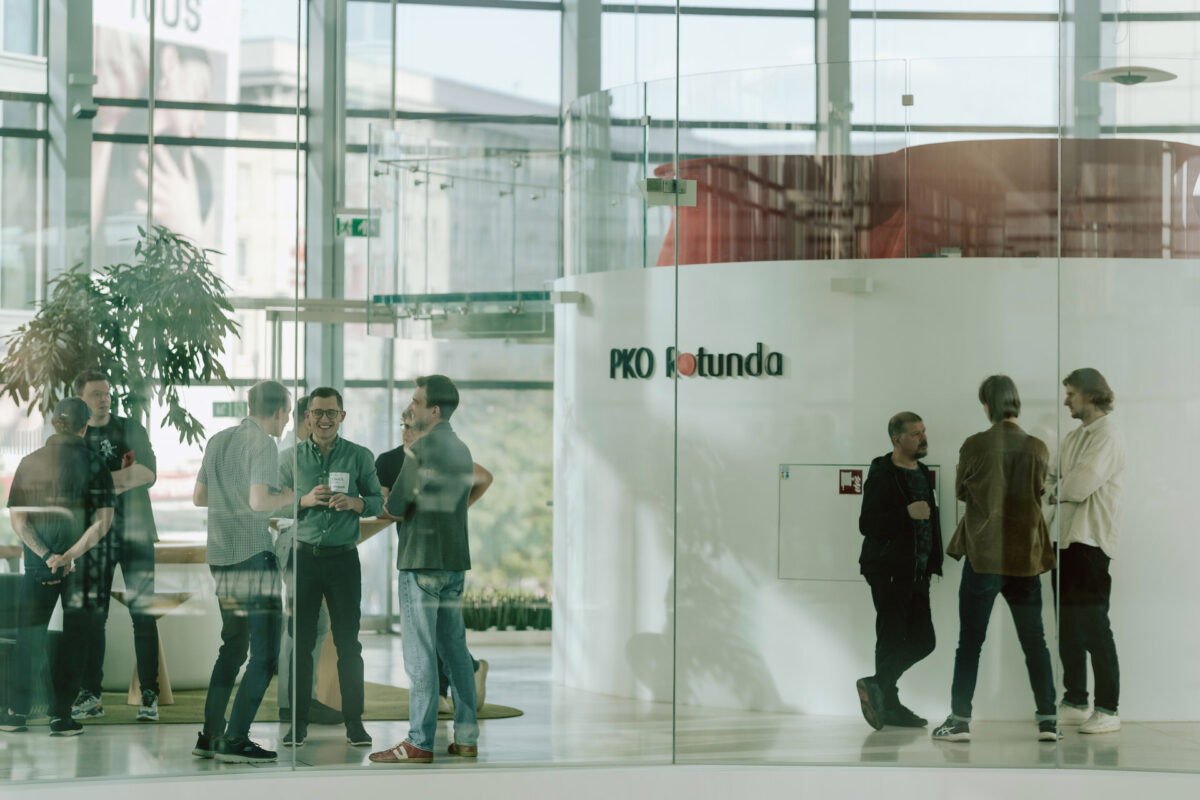
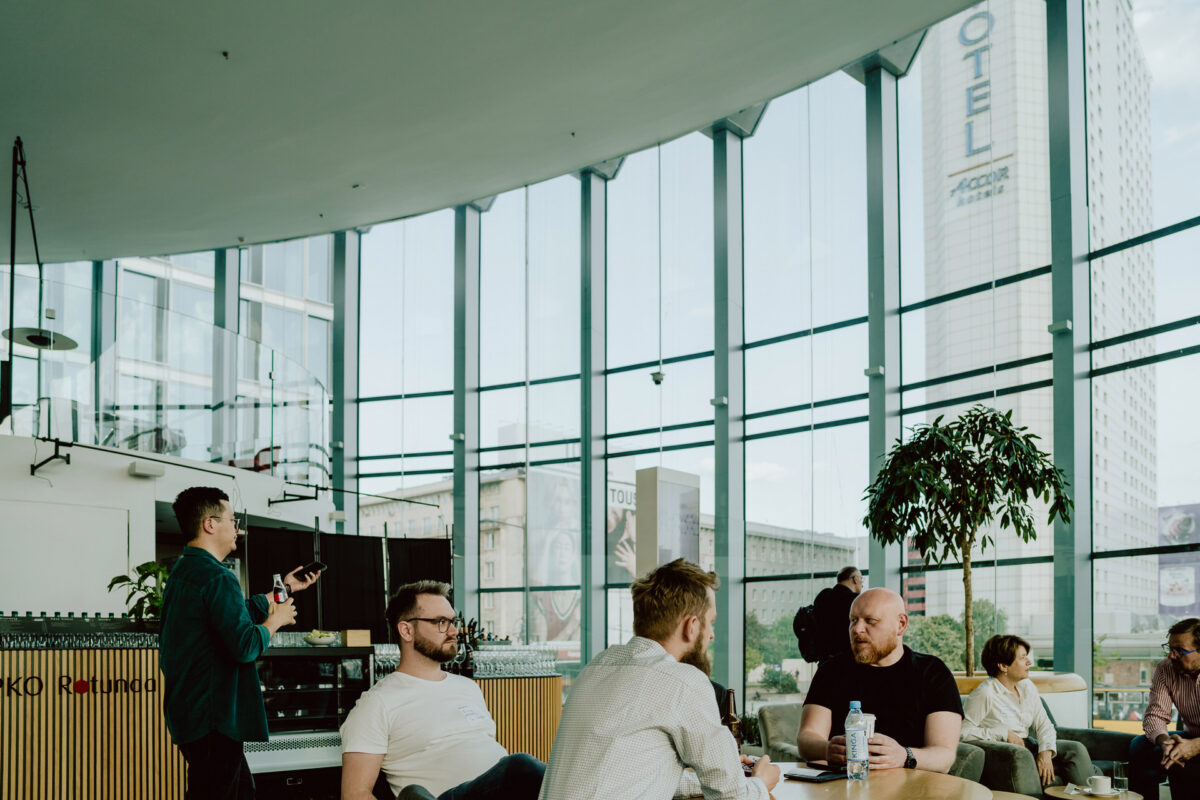
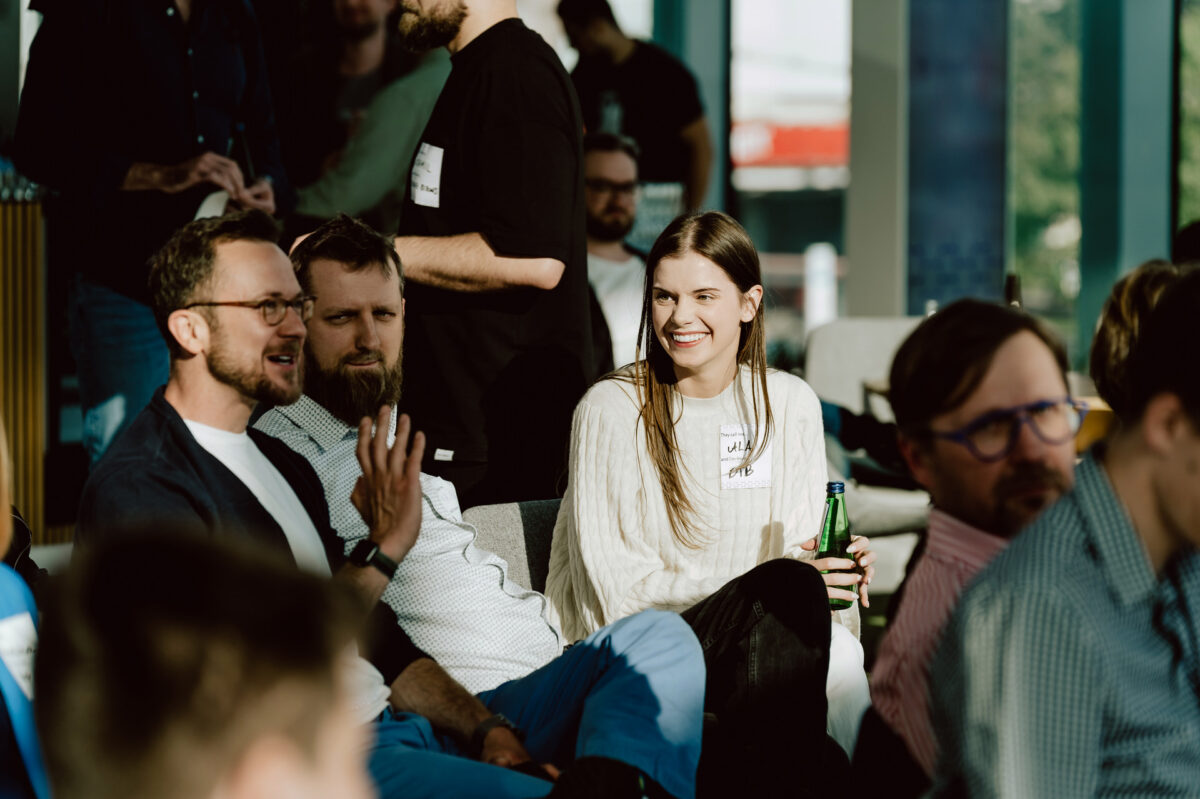
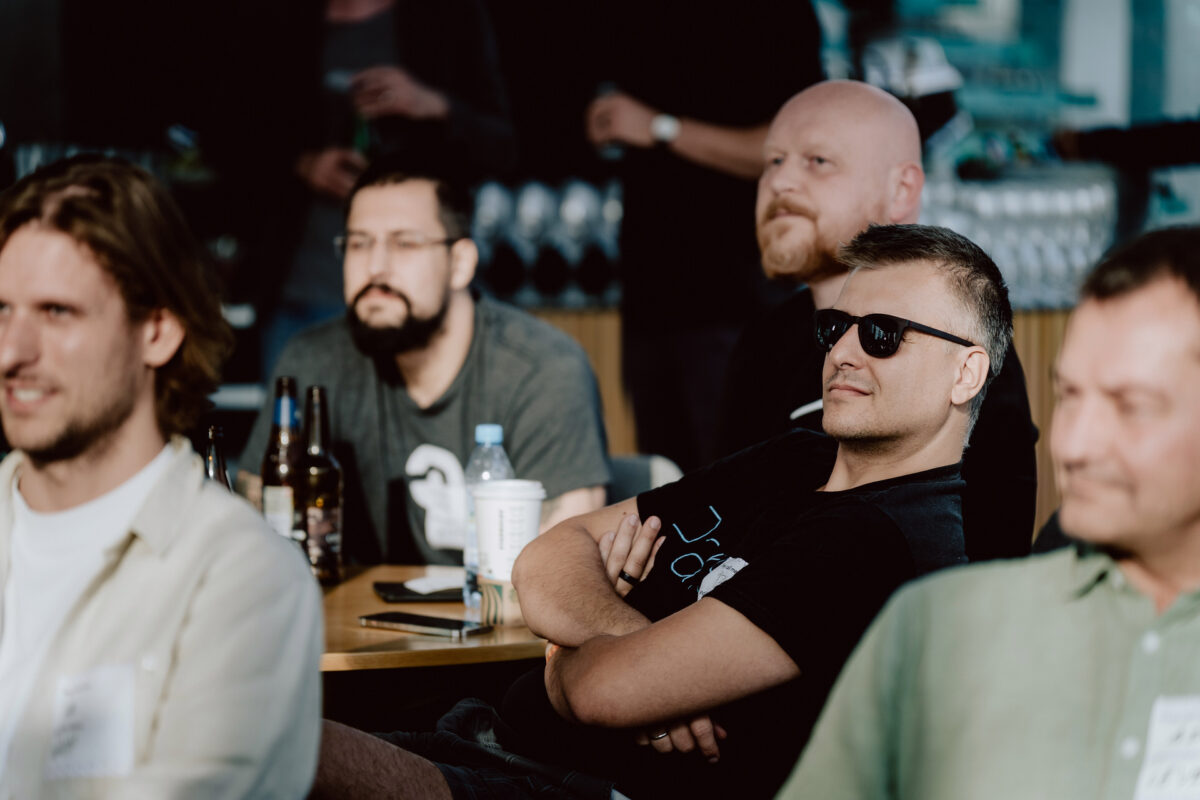
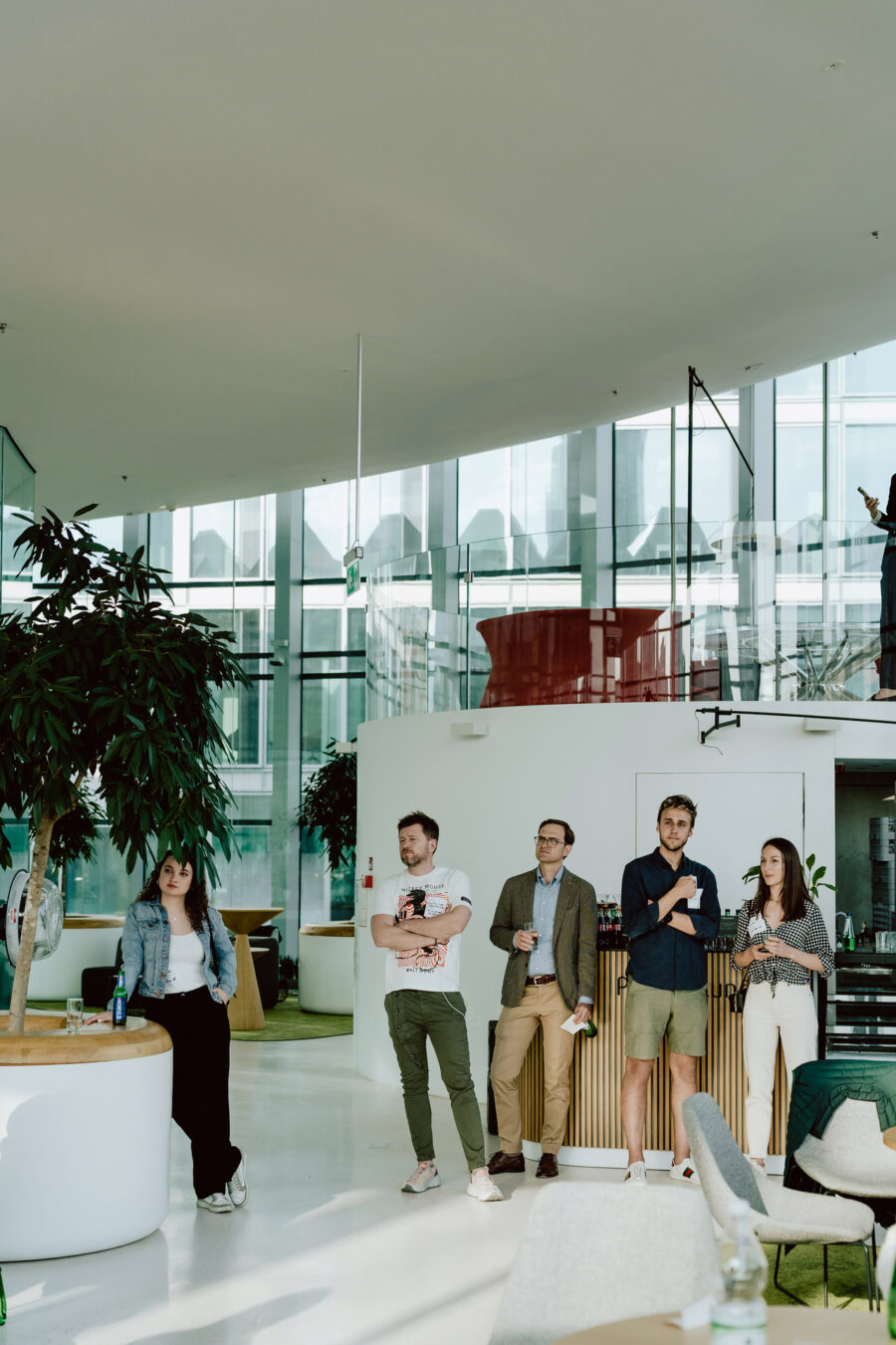
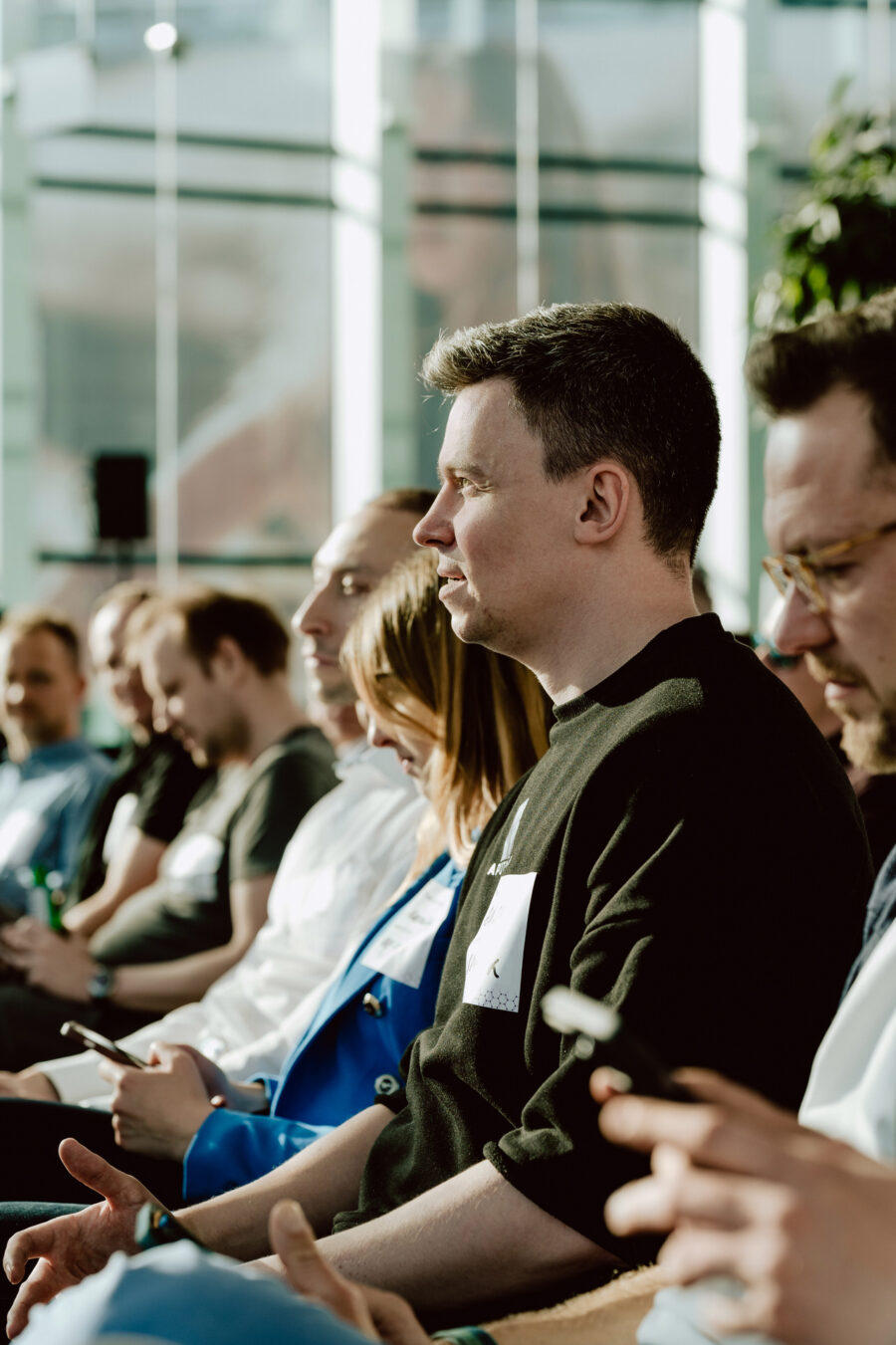
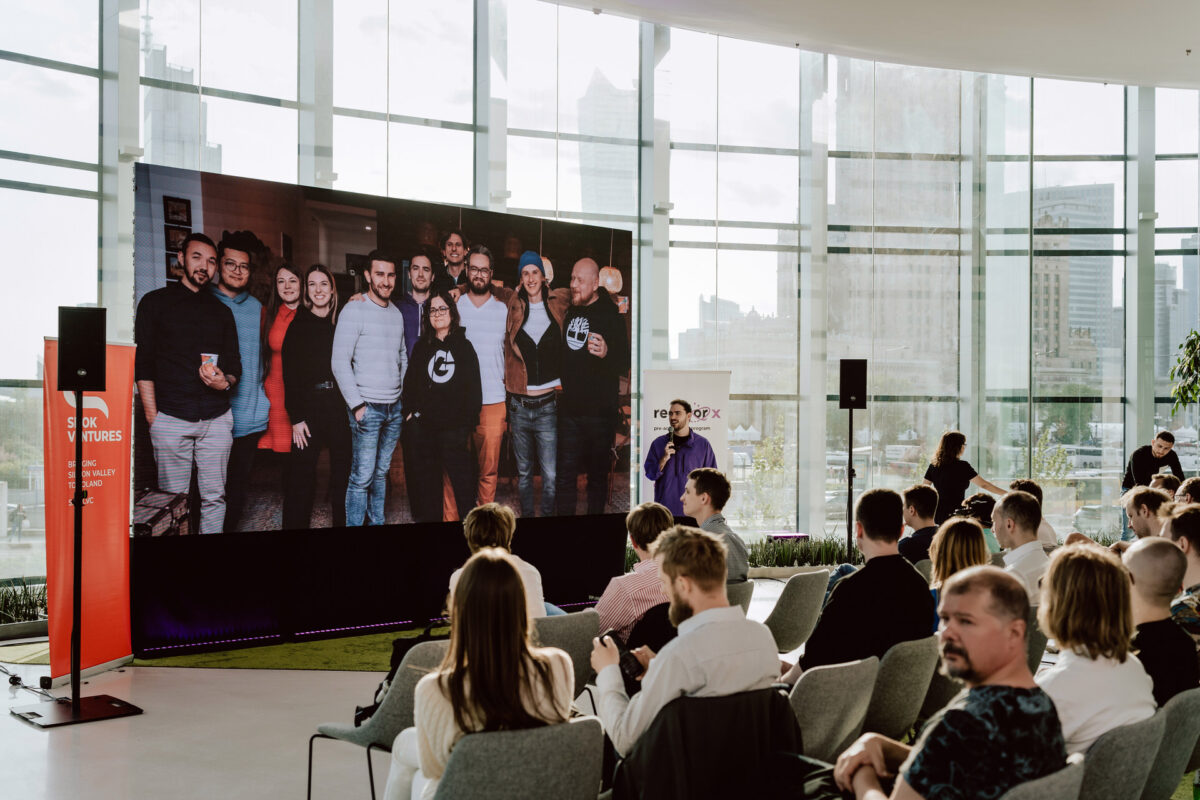
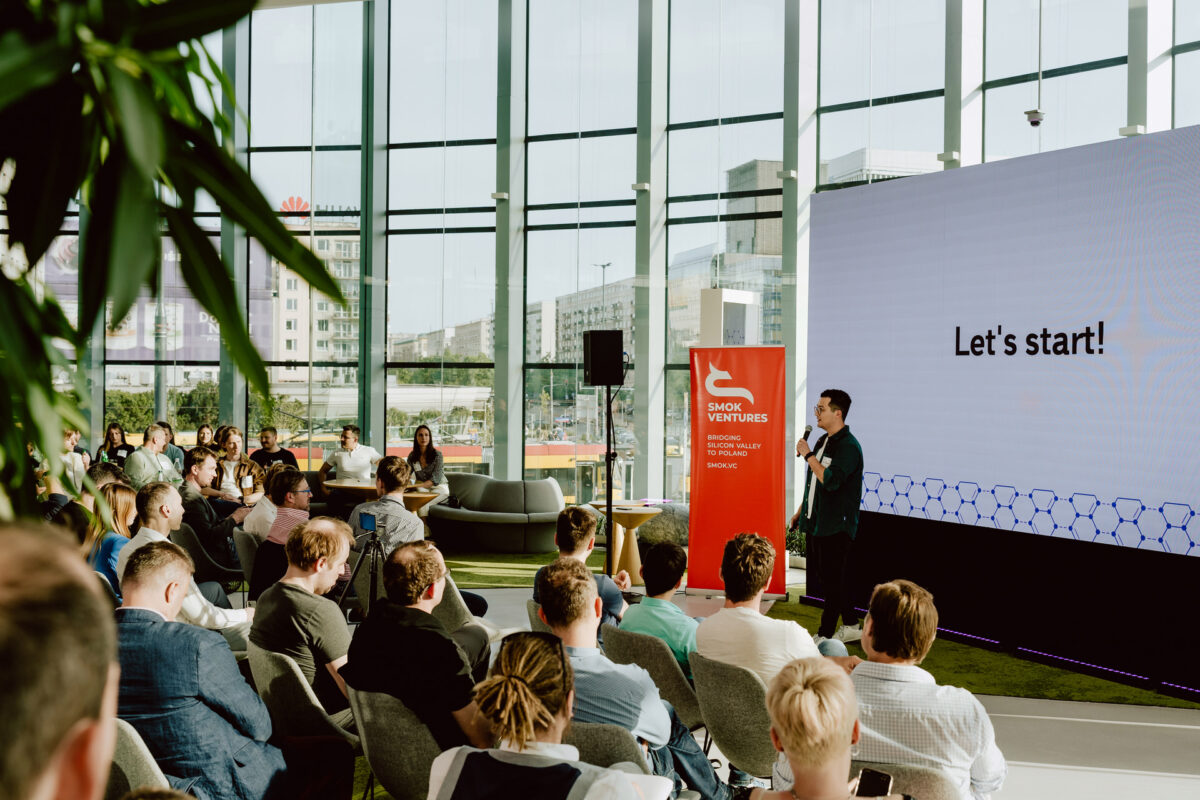
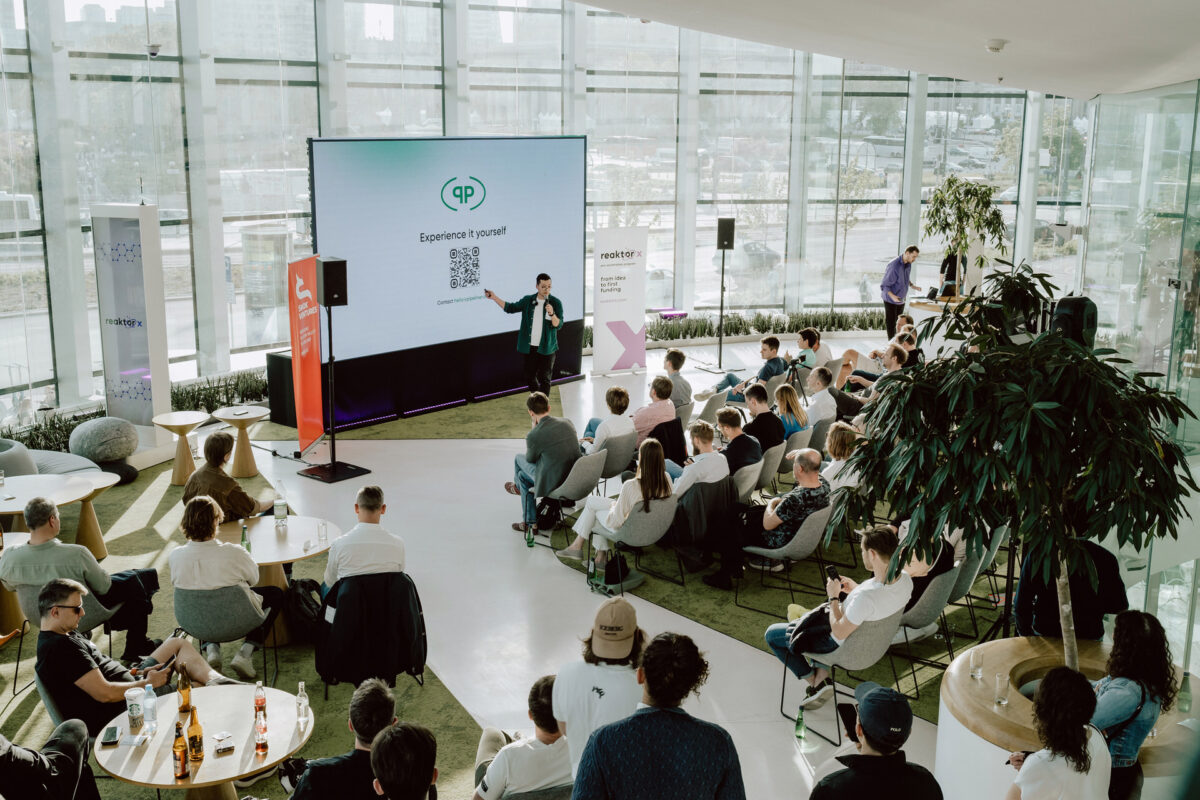
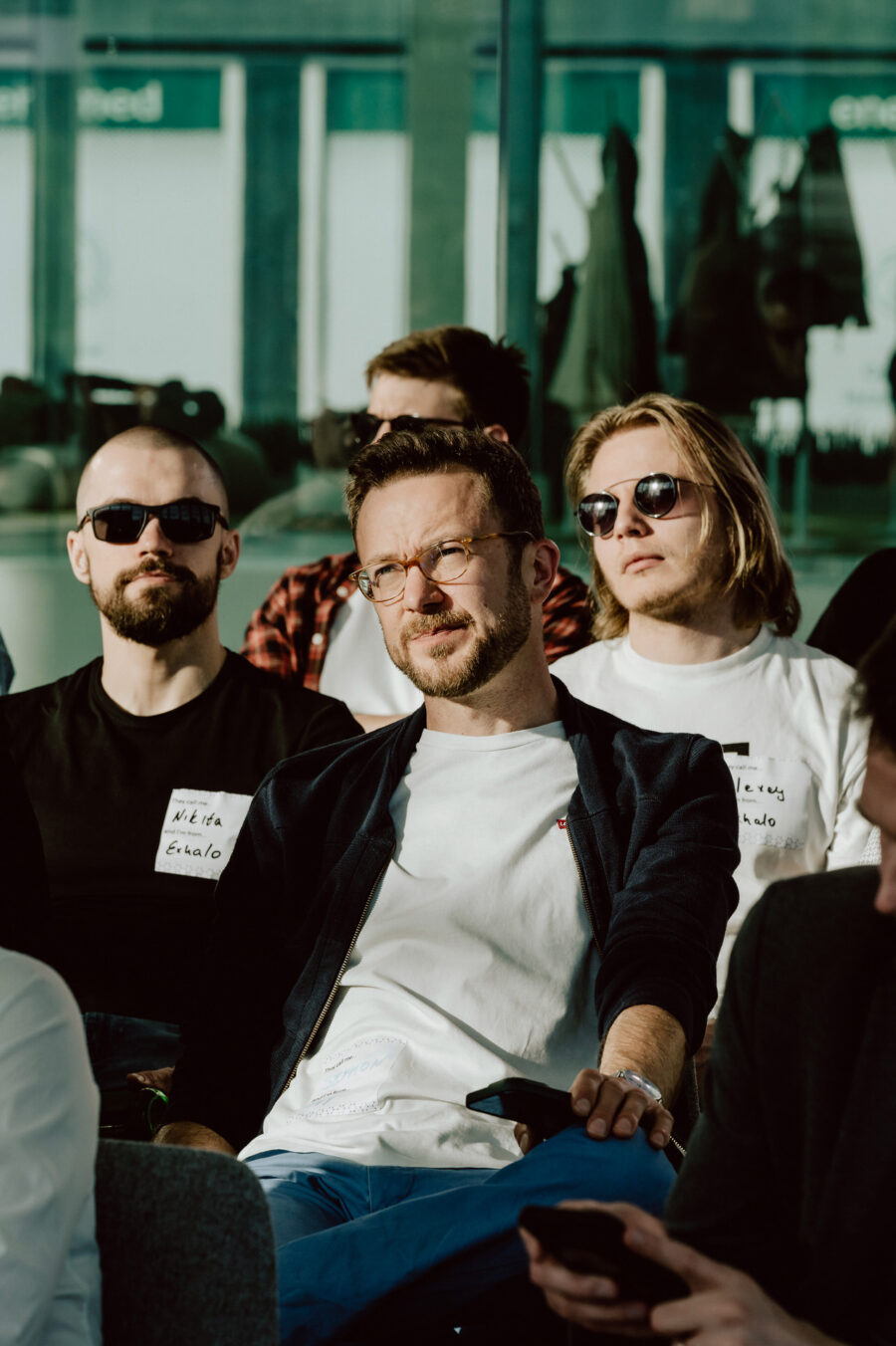
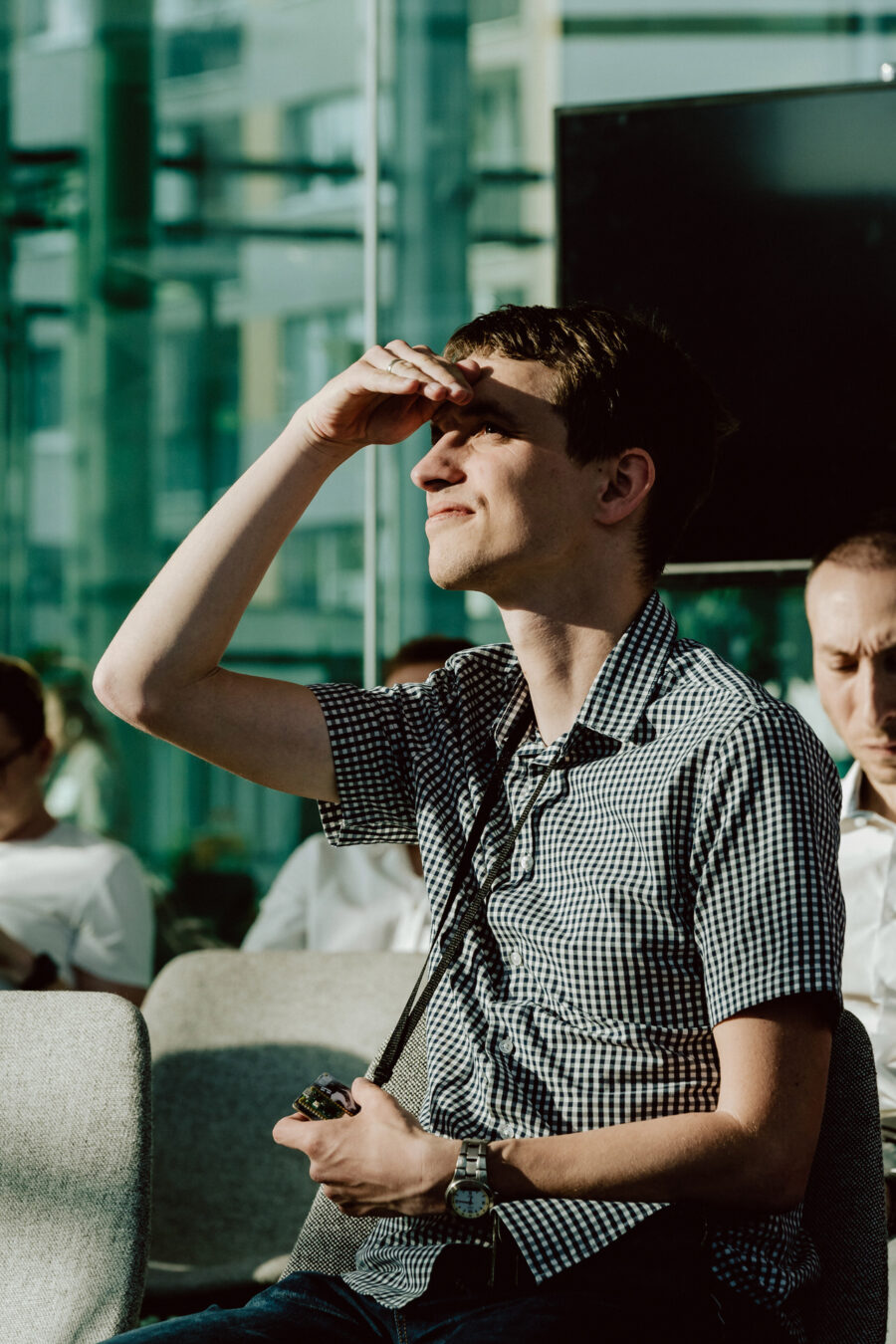
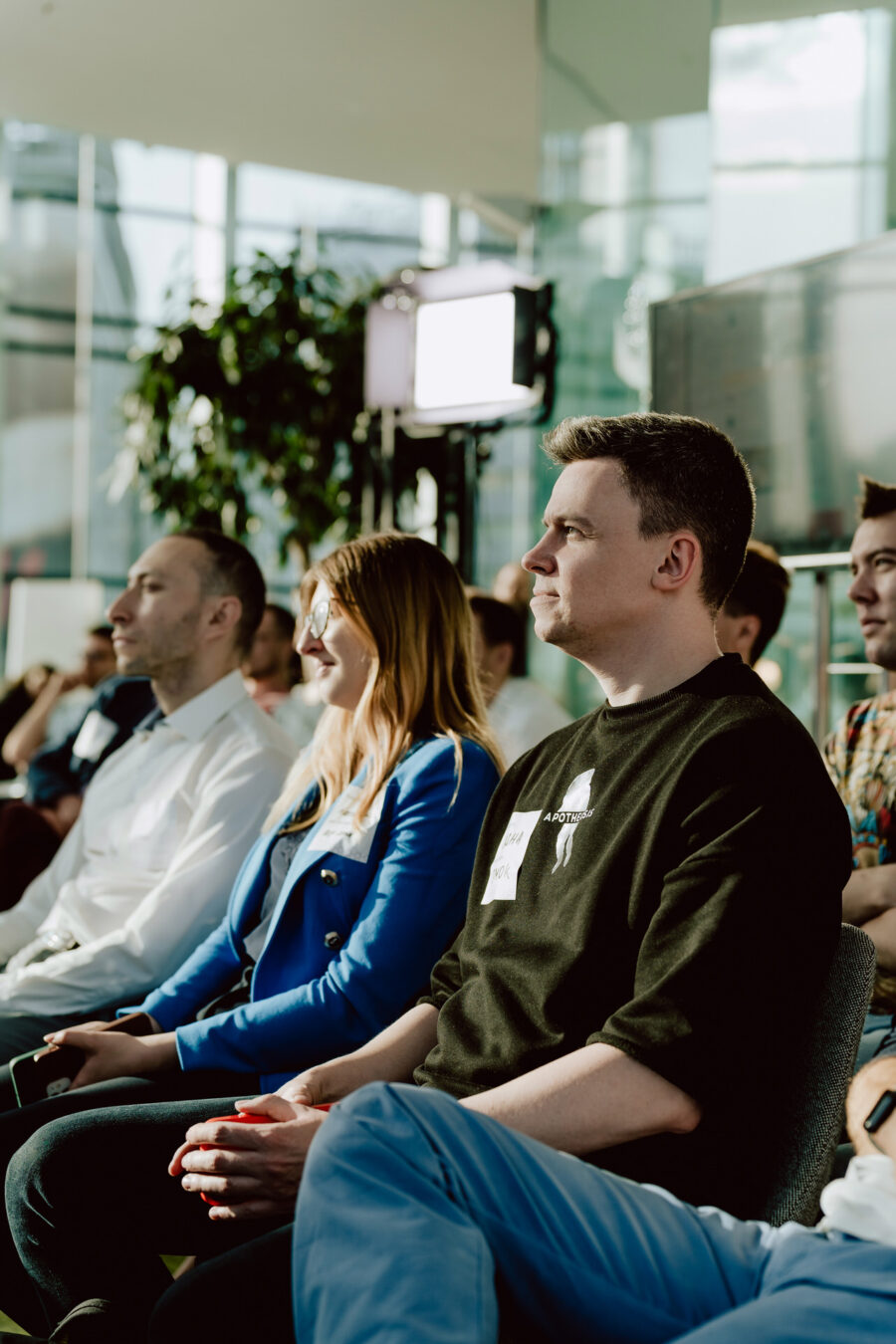
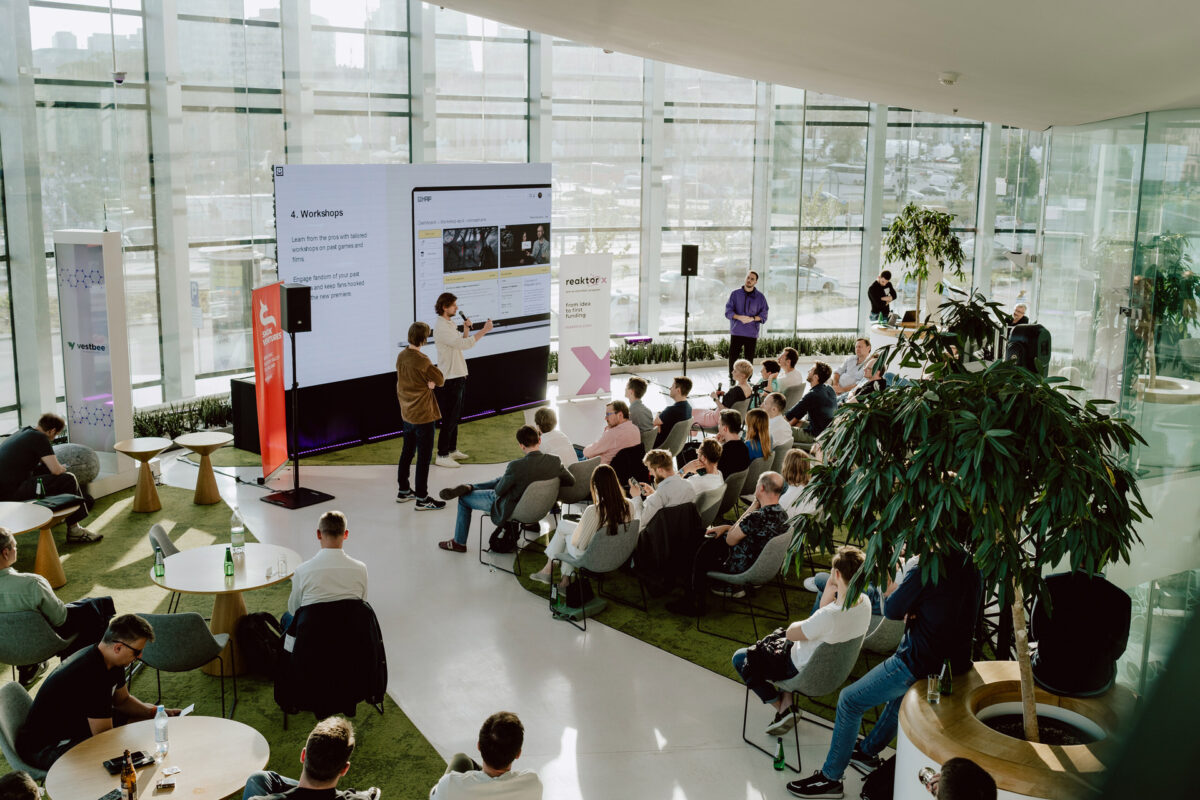
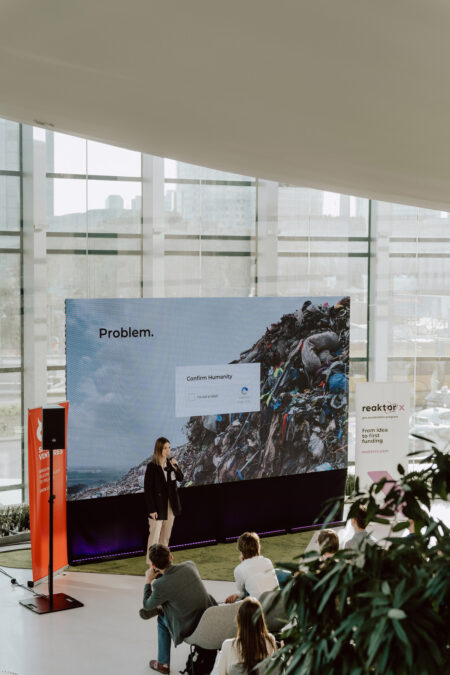
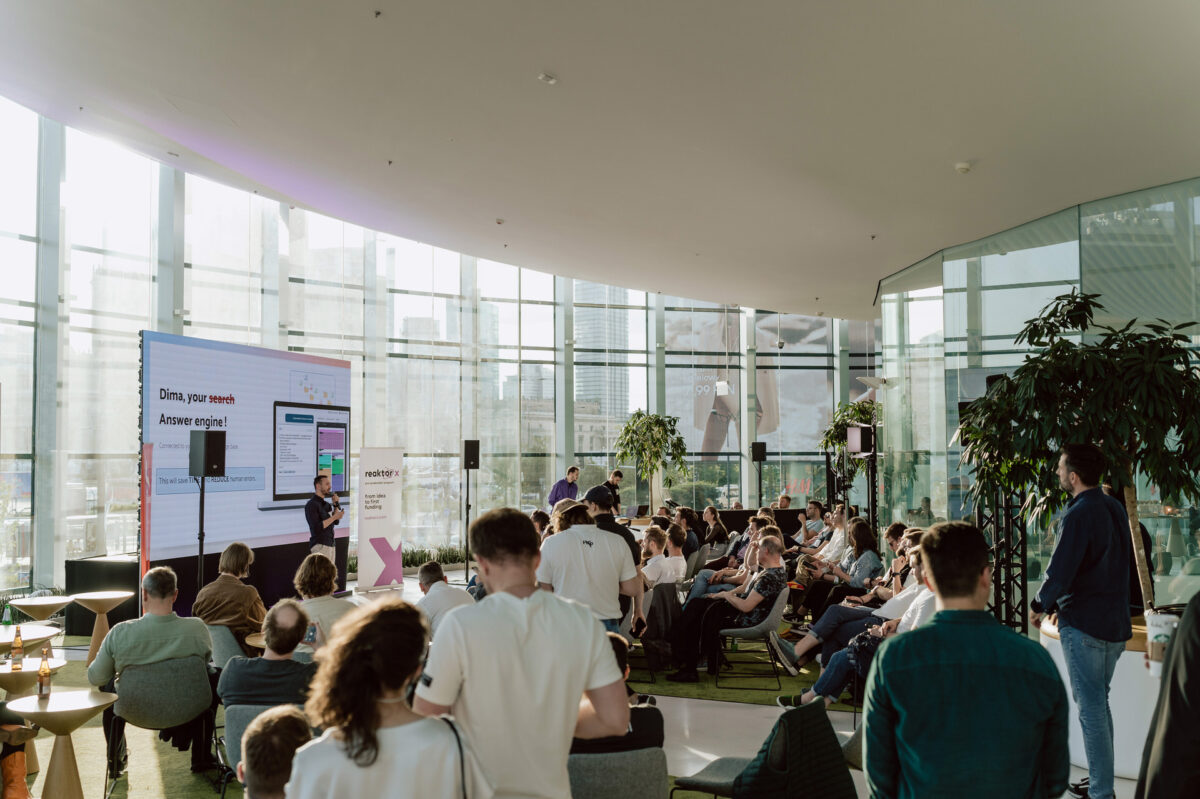
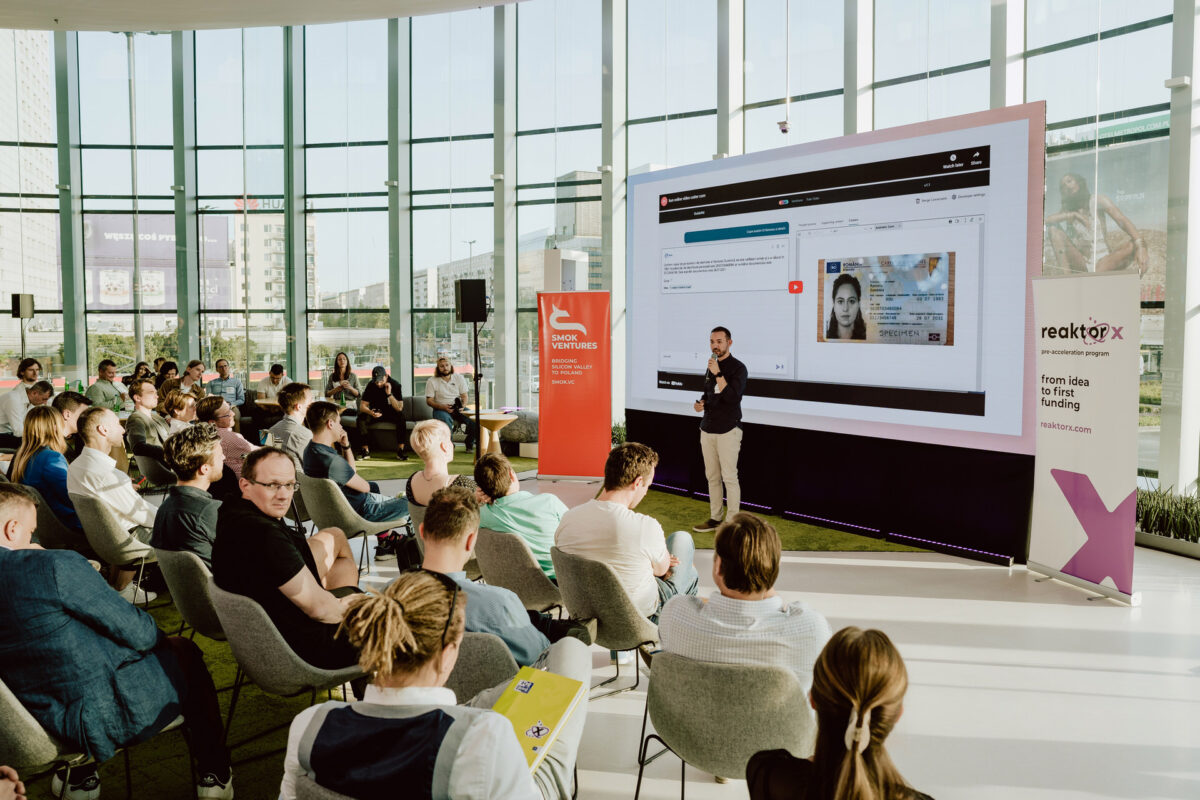
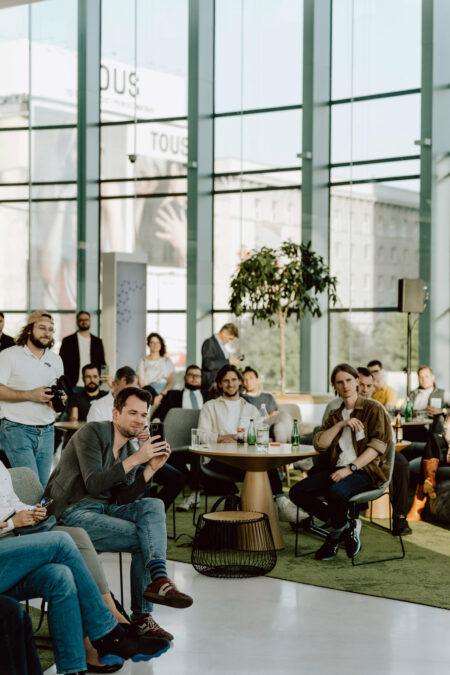
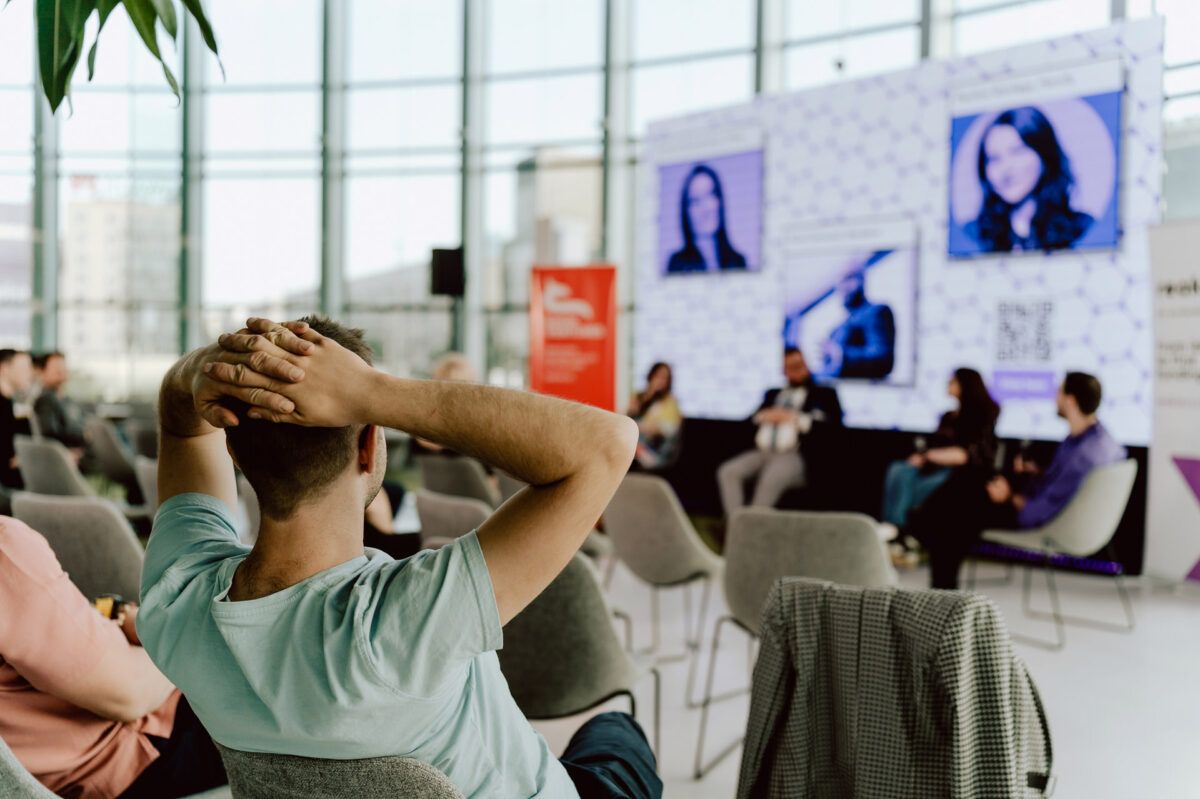
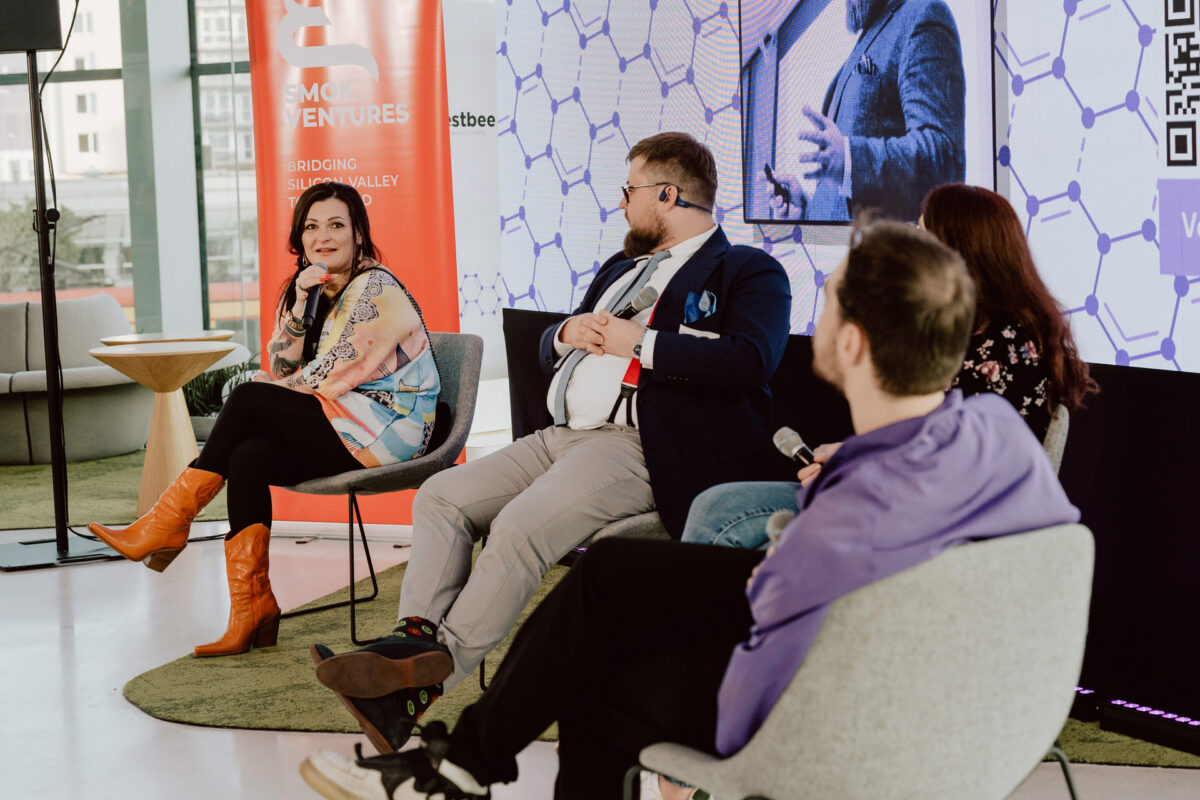
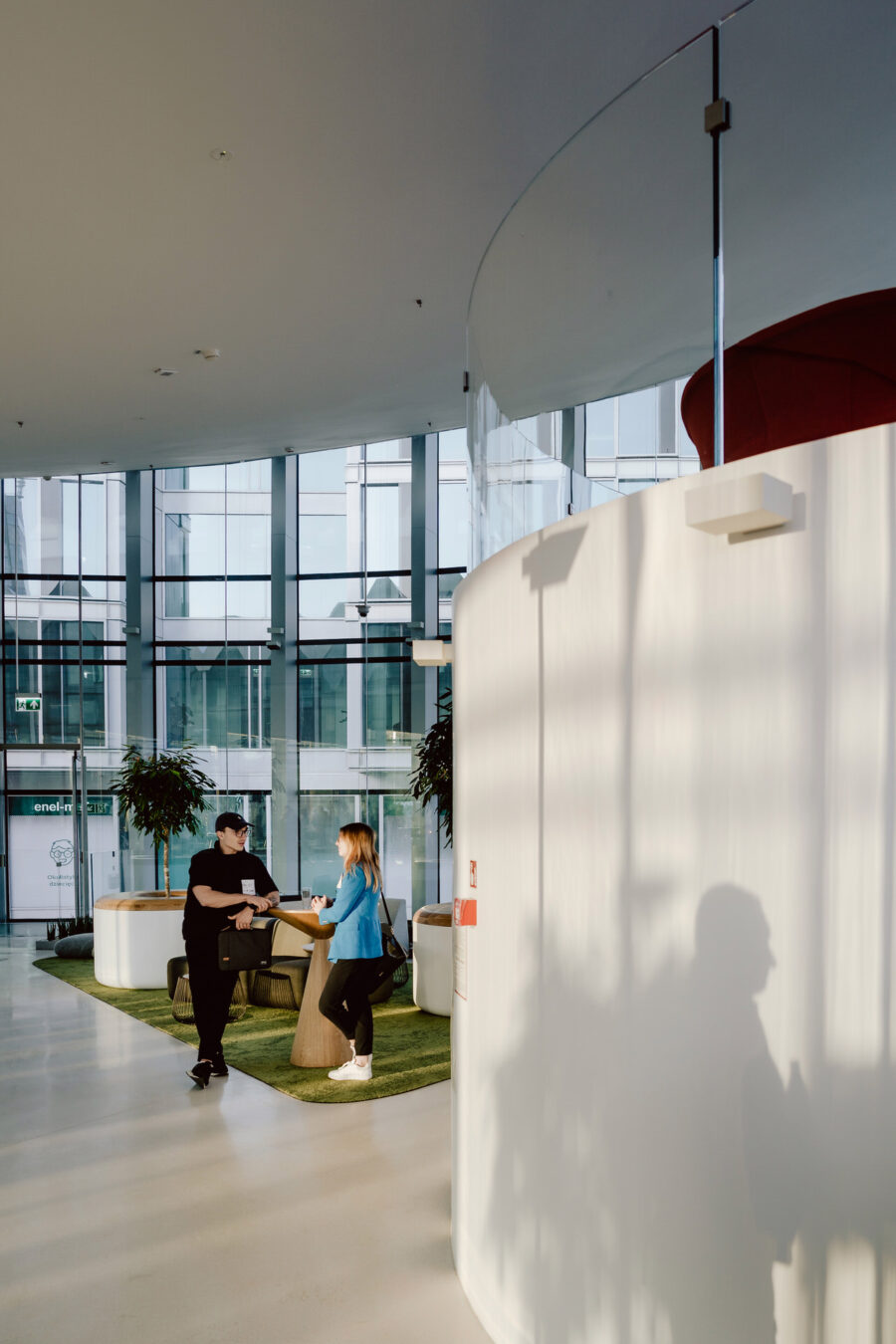
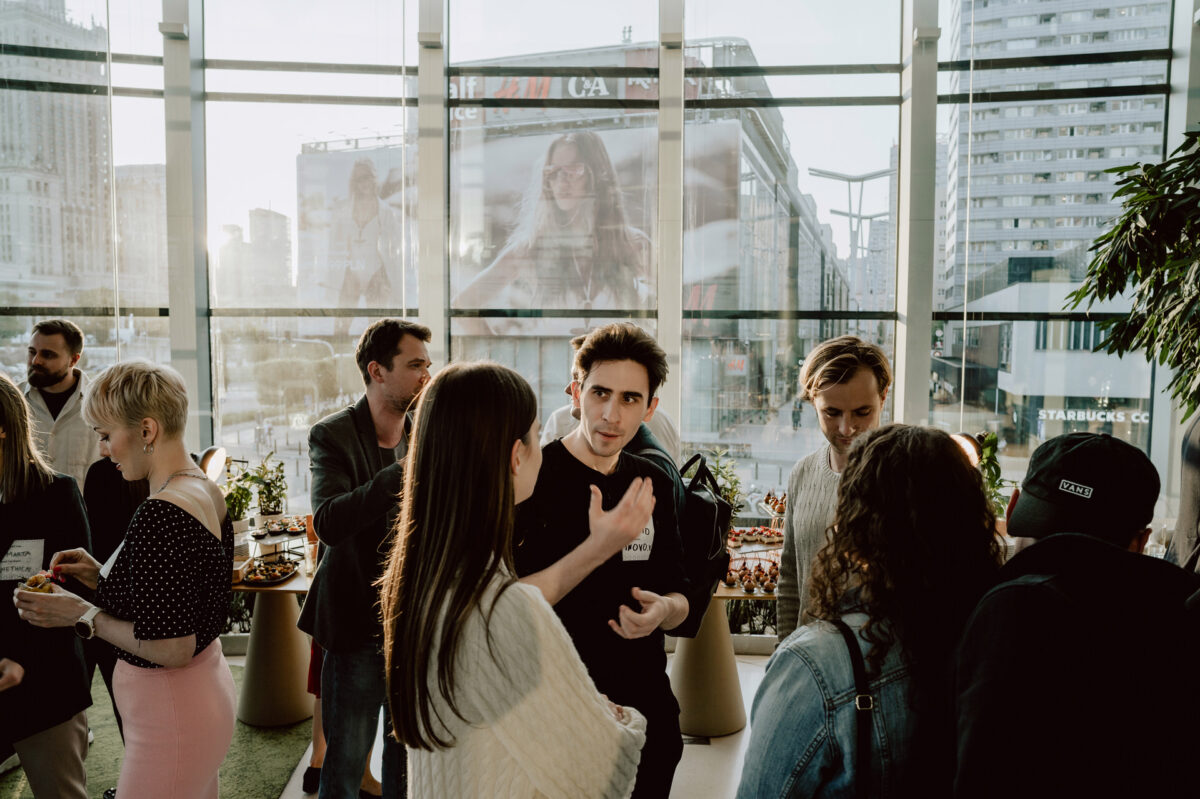
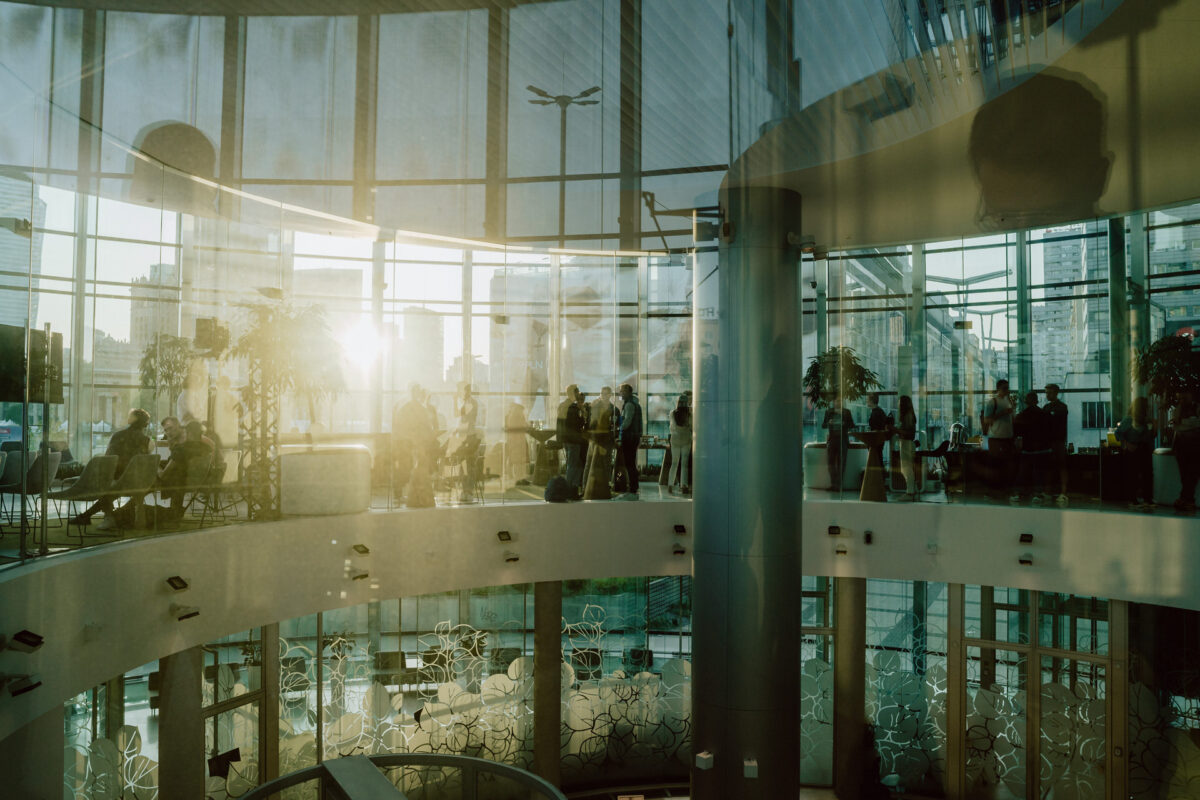
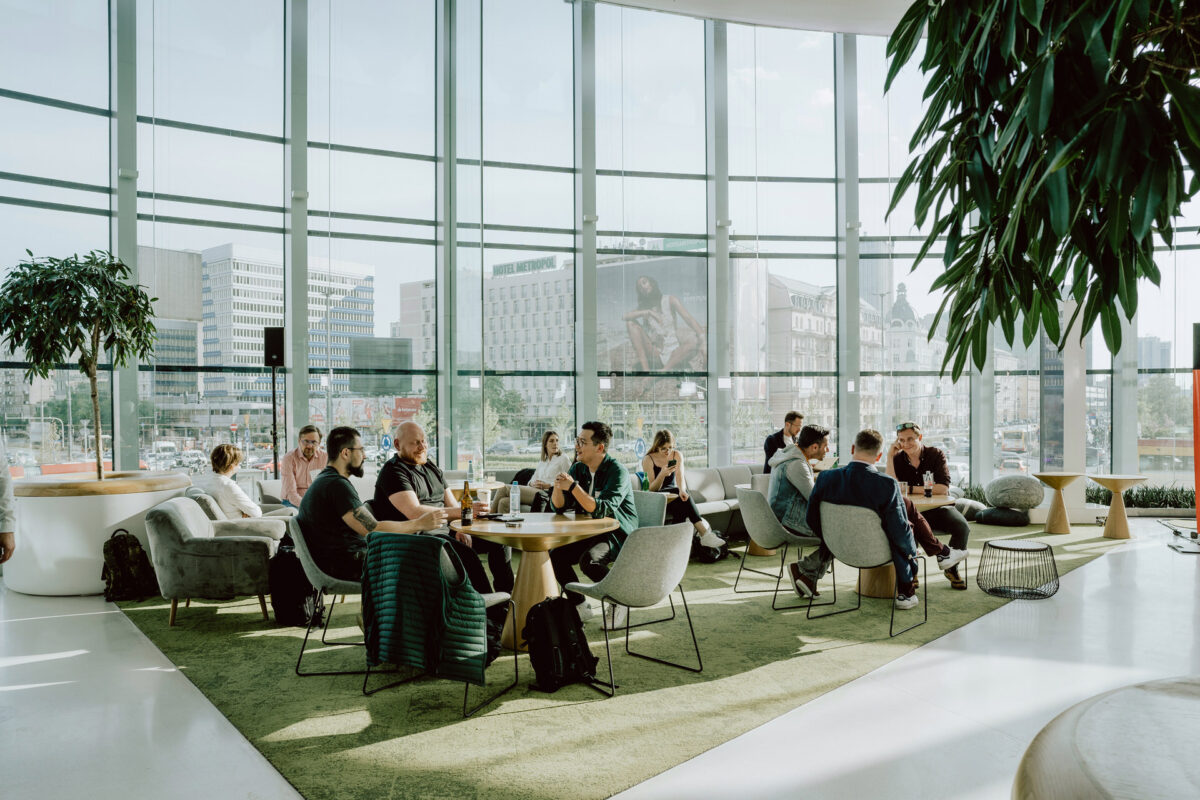
The PKO Rotunda is an iconic but photographically challenging space. The circular architecture and strong, low-flowing light meant that the audience was illuminated very intensely – at times so much so that some people put on sunglasses.
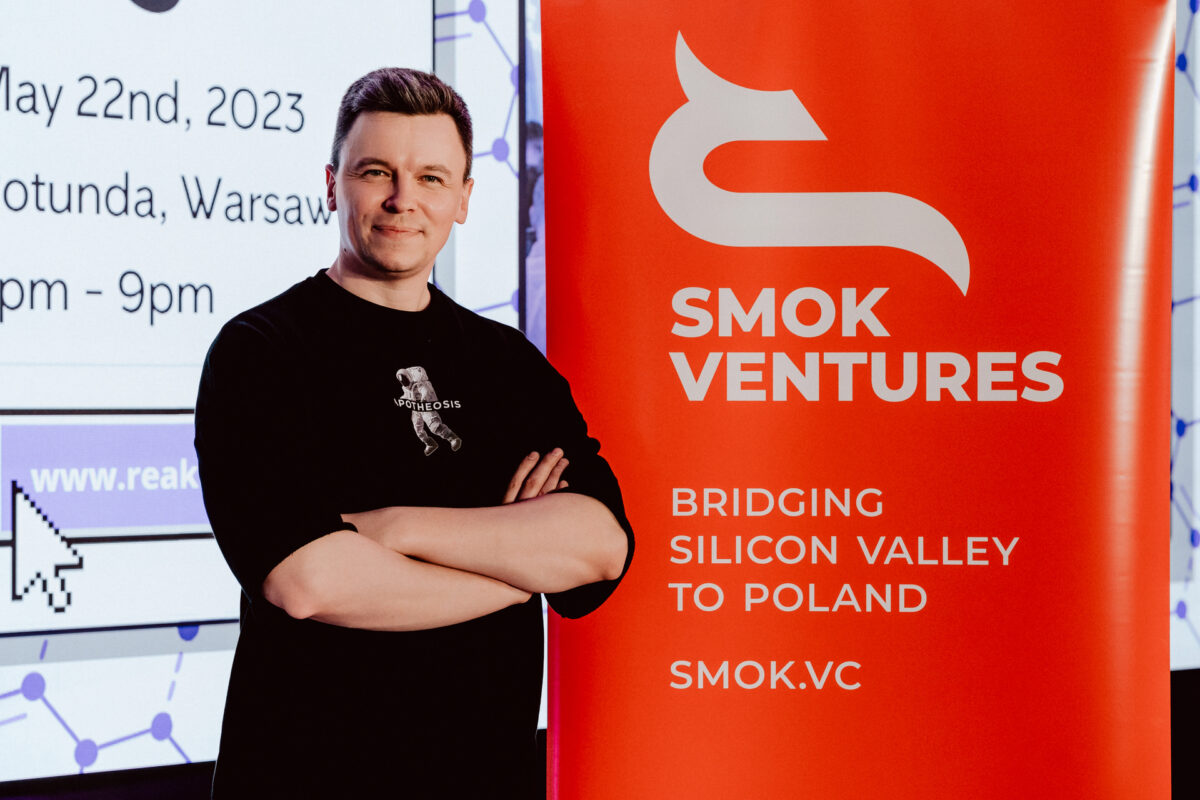
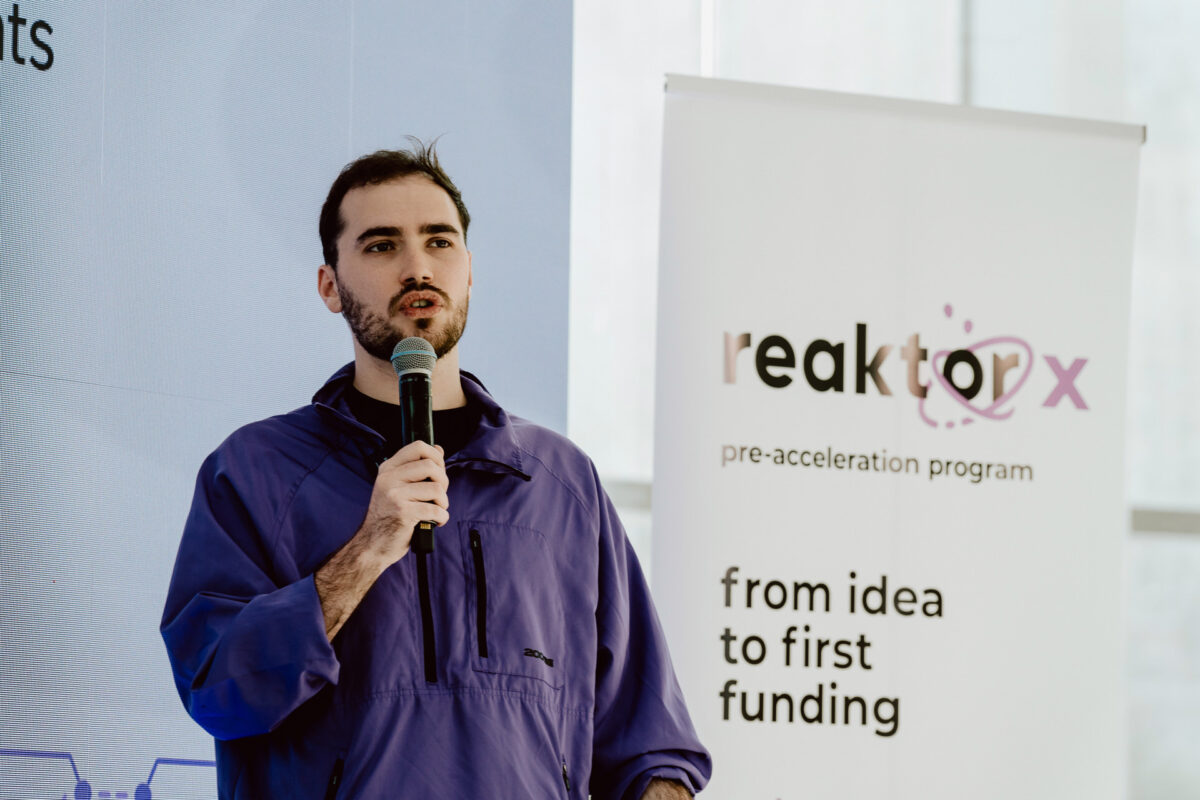
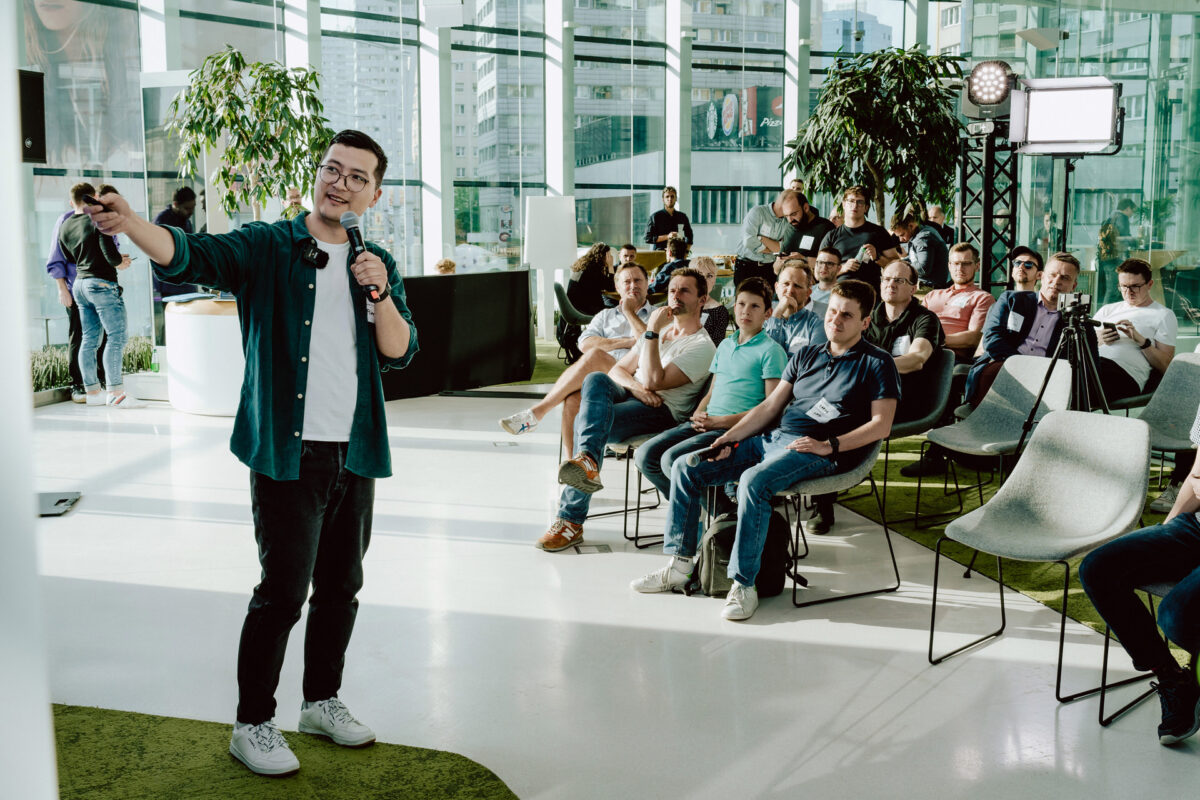
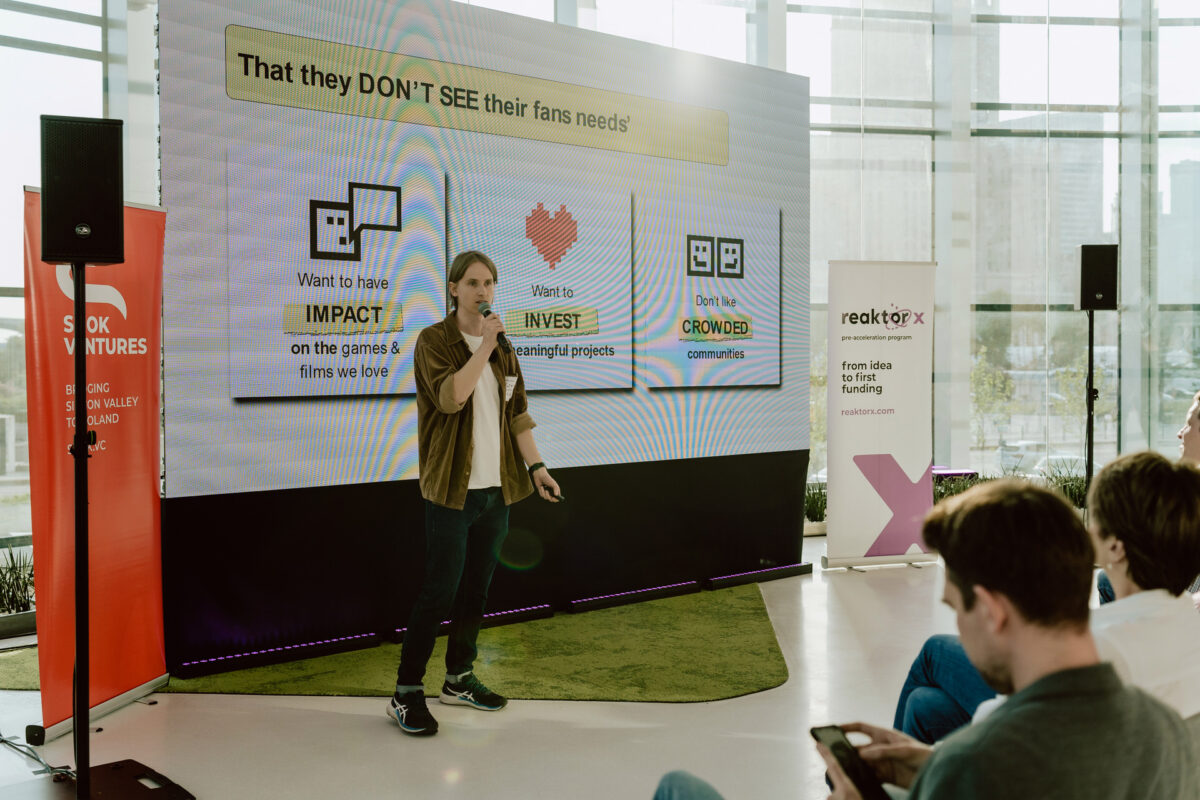
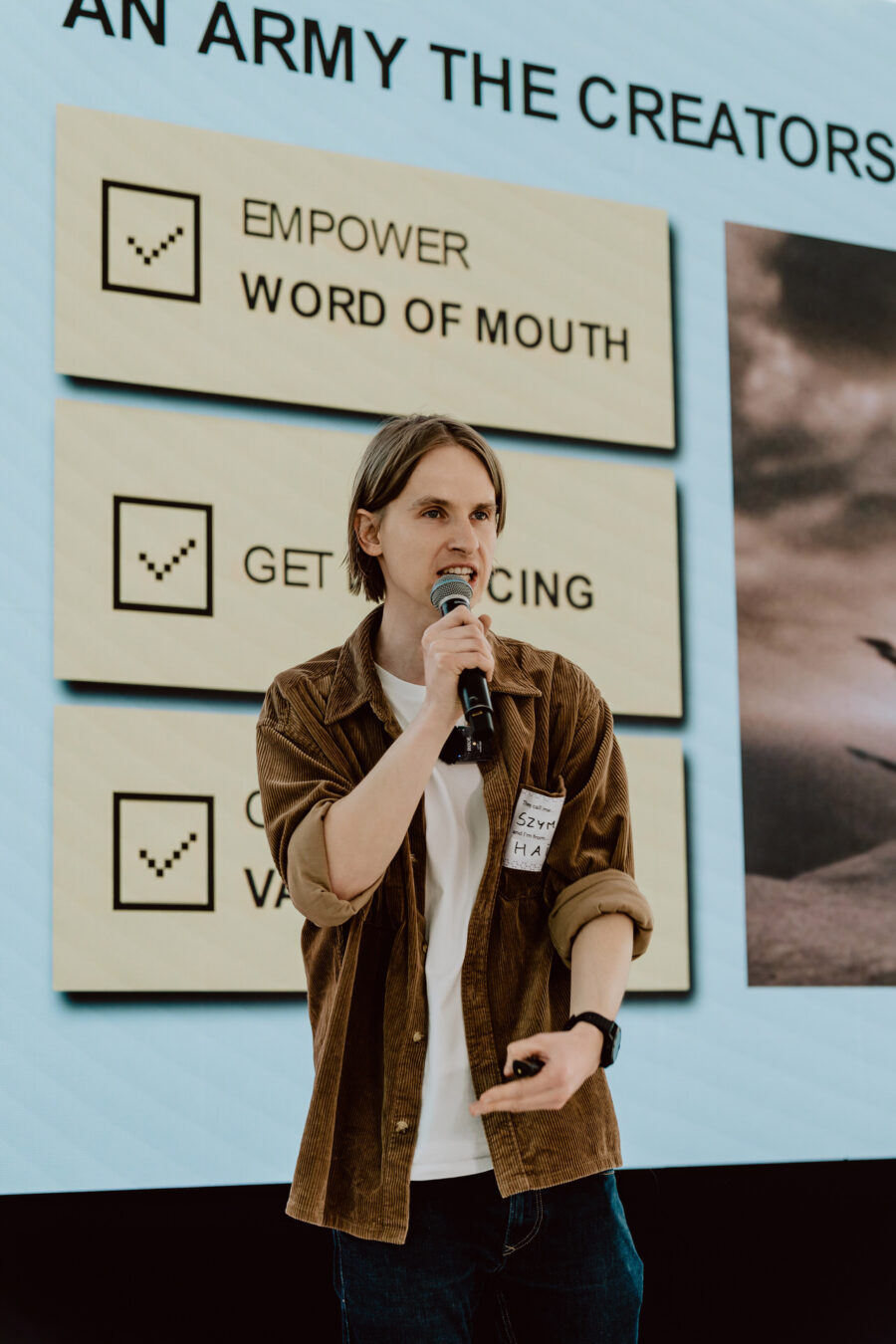
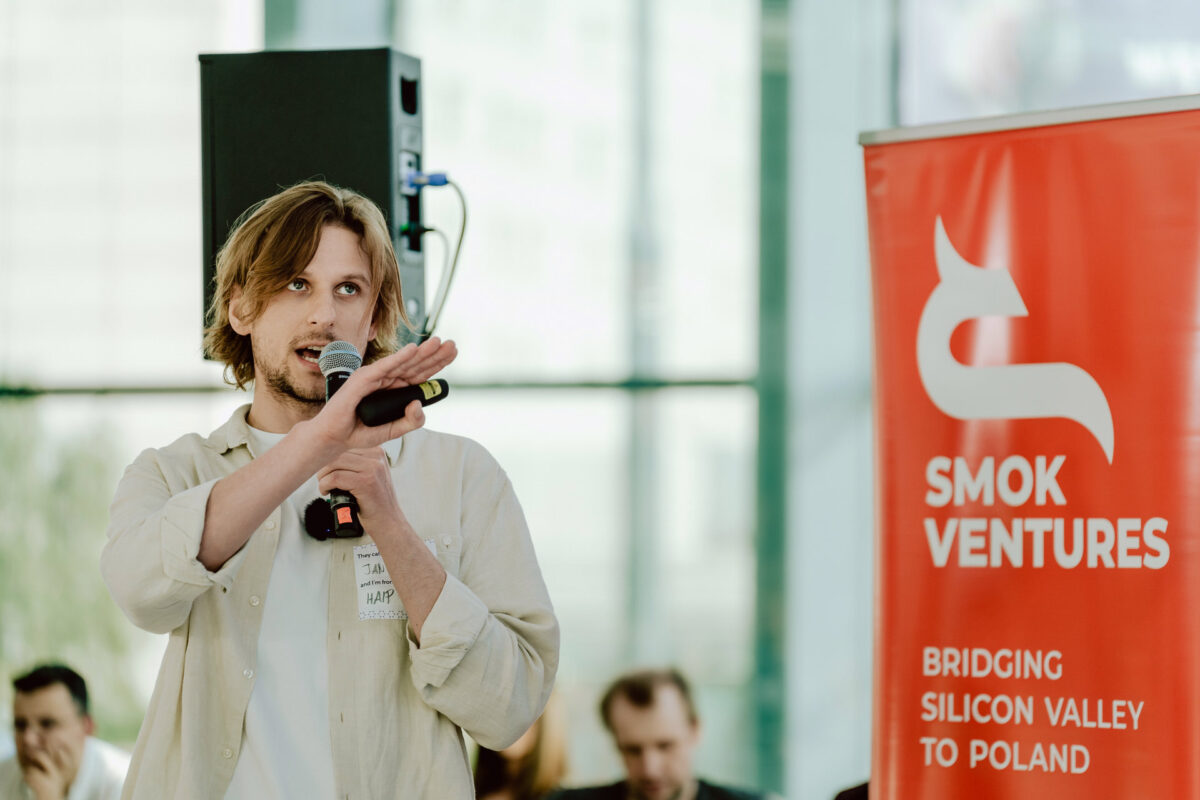
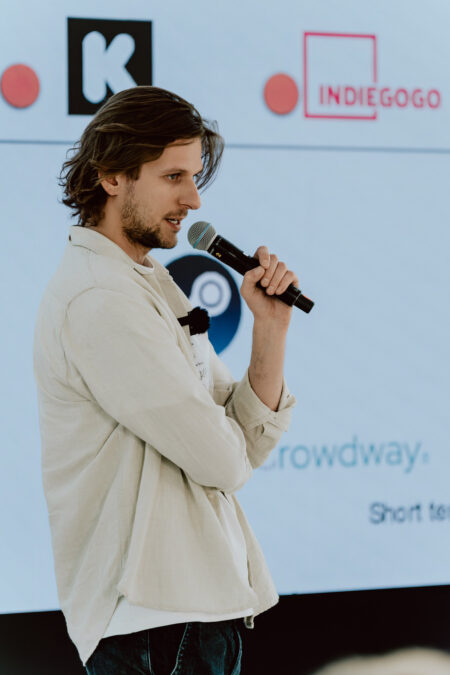
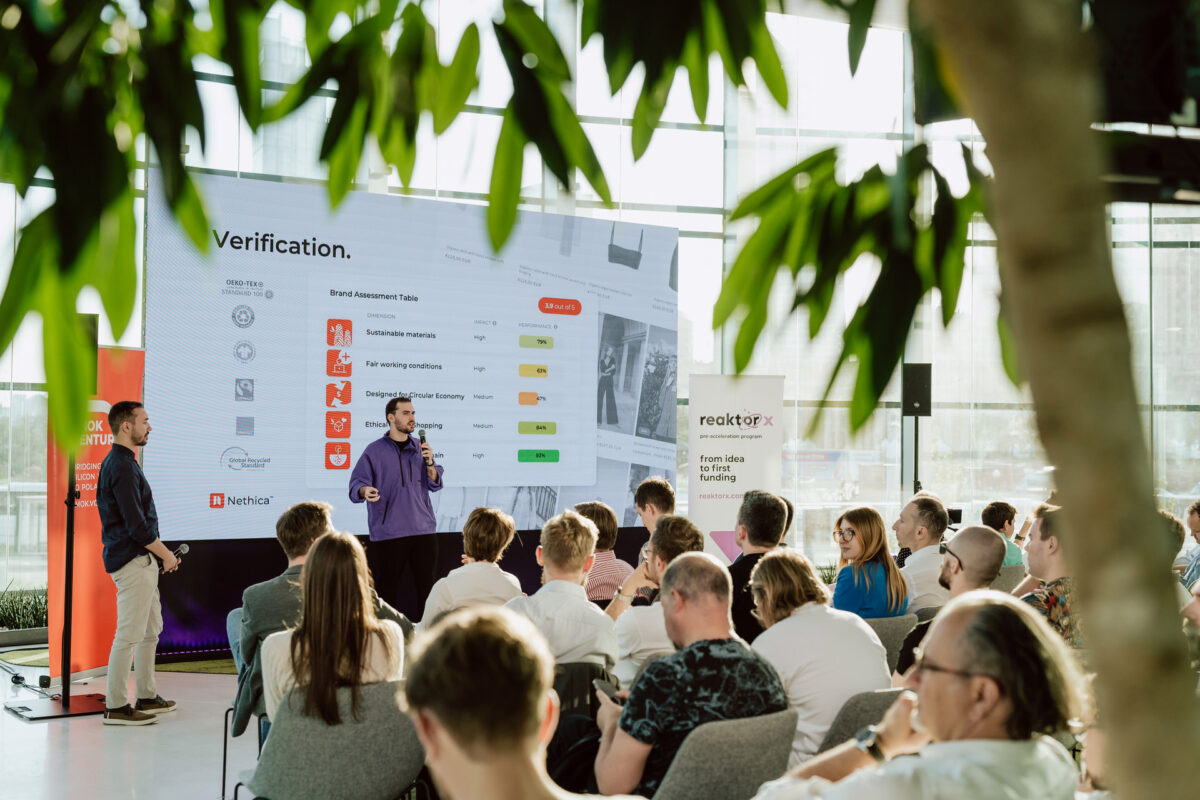
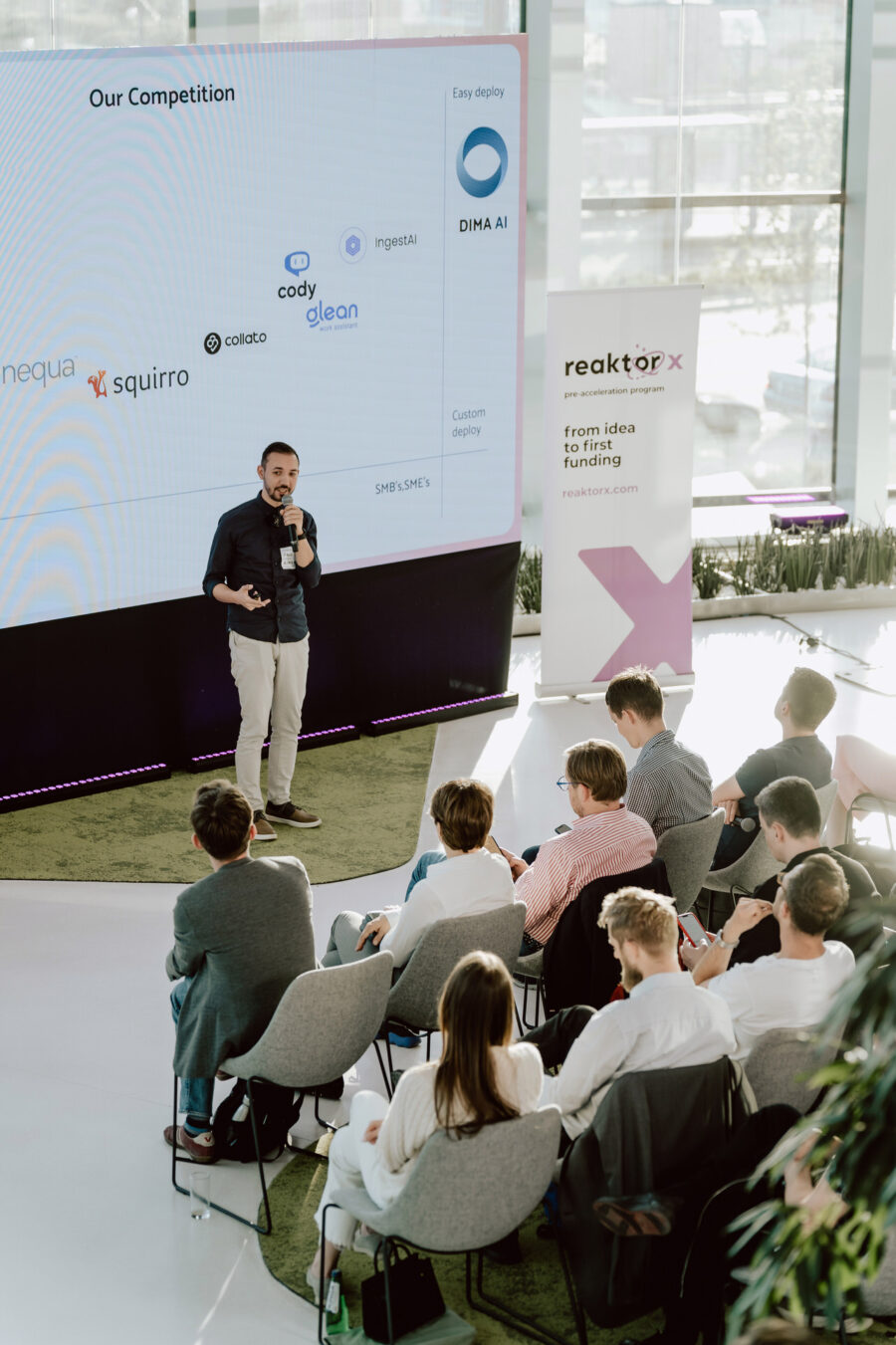
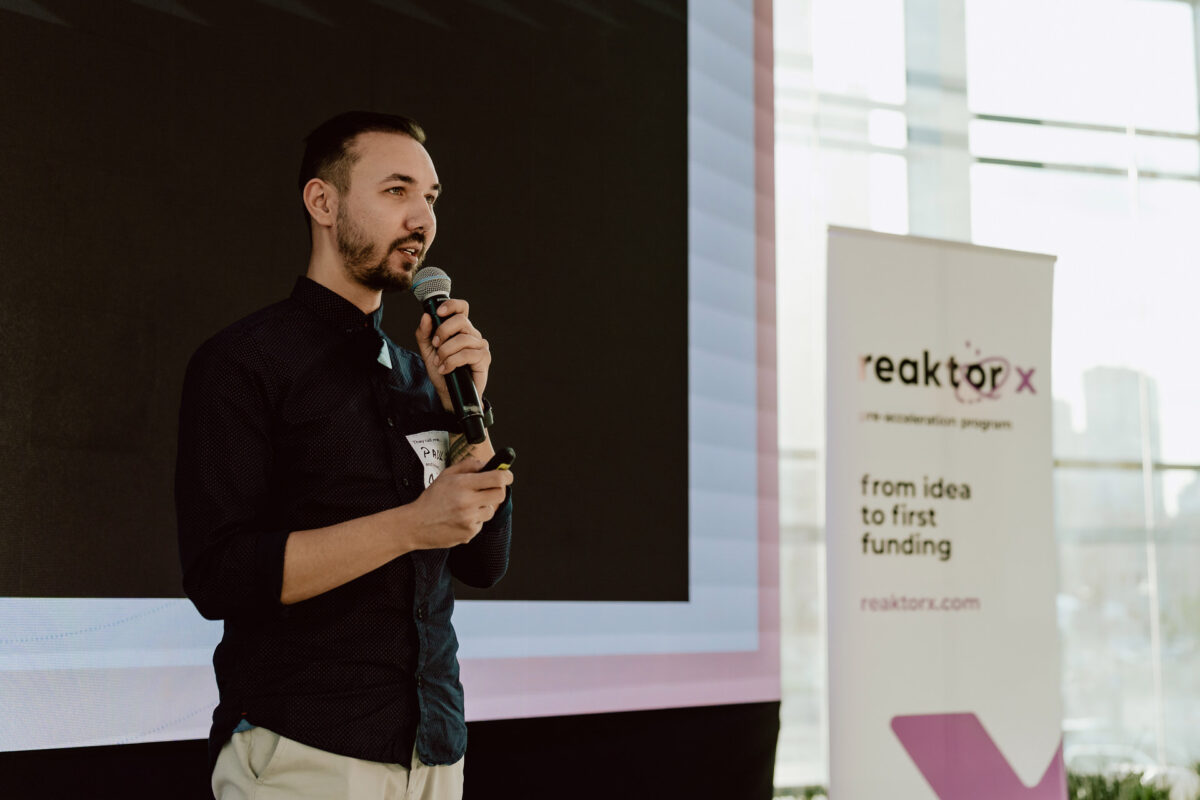
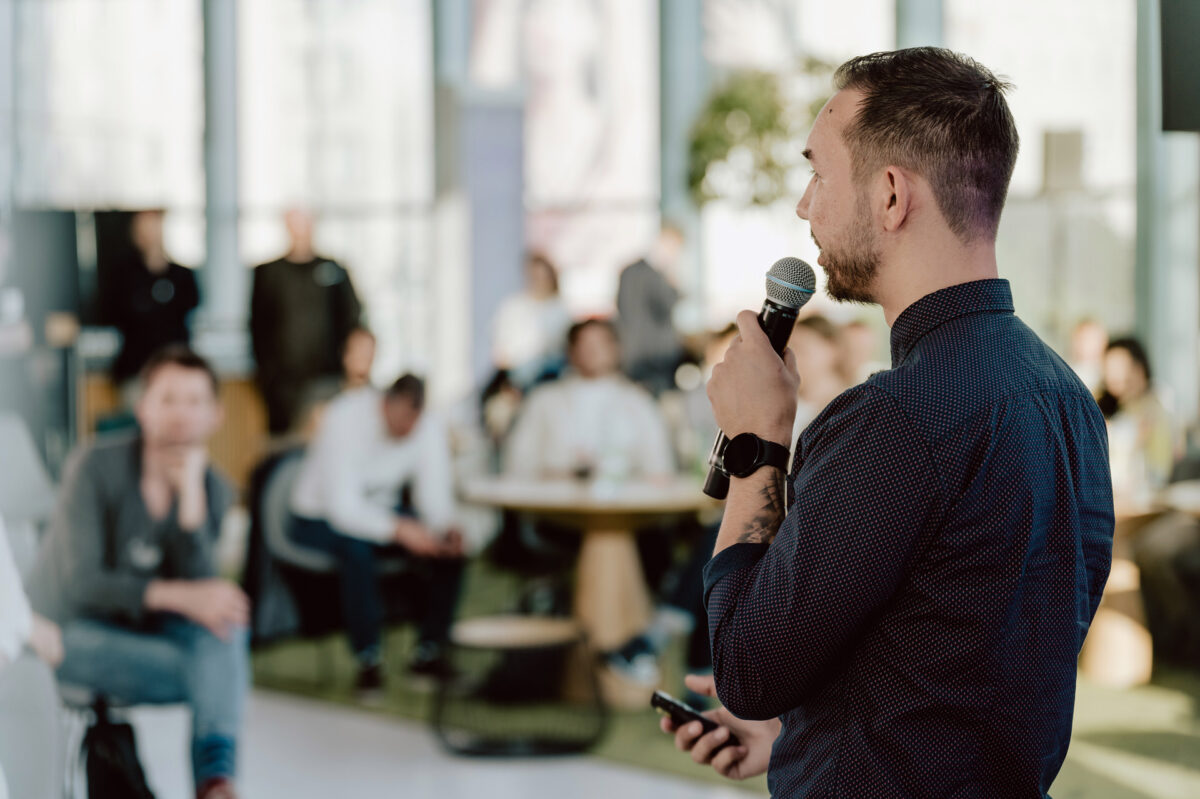
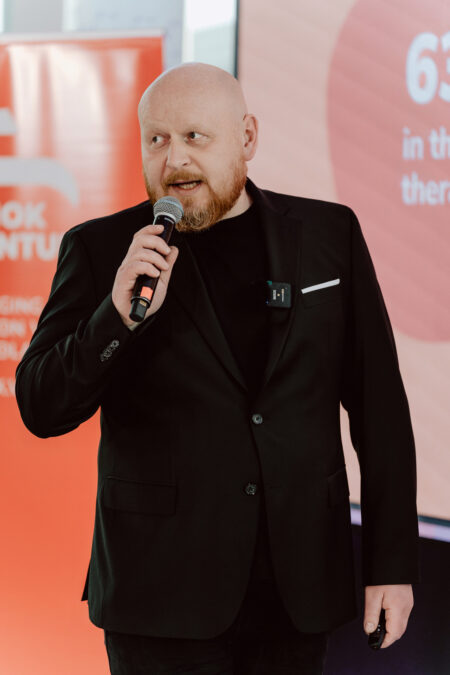
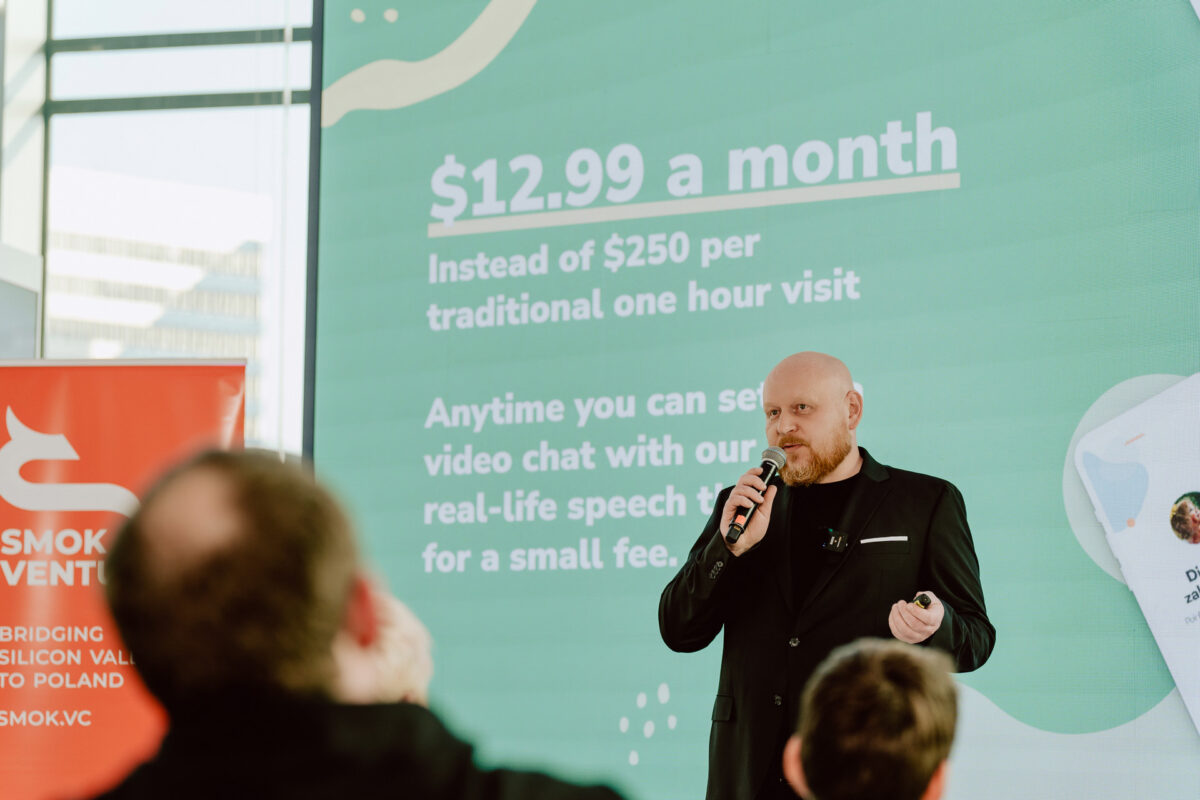
The presenters performed against the screen, with their backs to the sun. Thanks to the bright space of the Rotunda, however, they were clearly visible, without the need for additional lighting. This allowed them to maintain the natural character of the stage and focus on the flow of the presentation, rather than the staging of the light.
In such conditions, the job of a startup photographer is to observe carefully and react quickly, without interfering with the dynamics of the event.
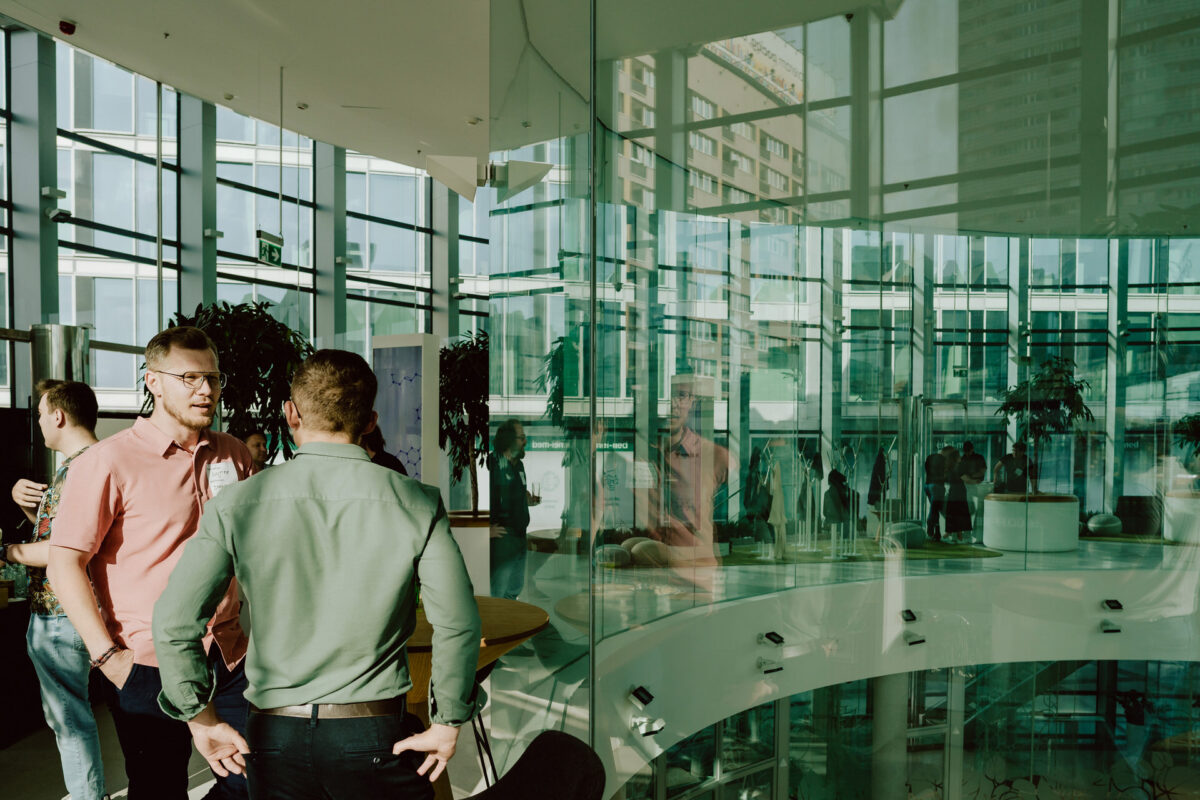
The purpose of photography at Demo Night
From the beginning, the premise was clear: this was not to be an “from-to” documentation. The photos were to work after the event.
The goal was:
- Showing the energy of the startup scene and the quality of the projects,
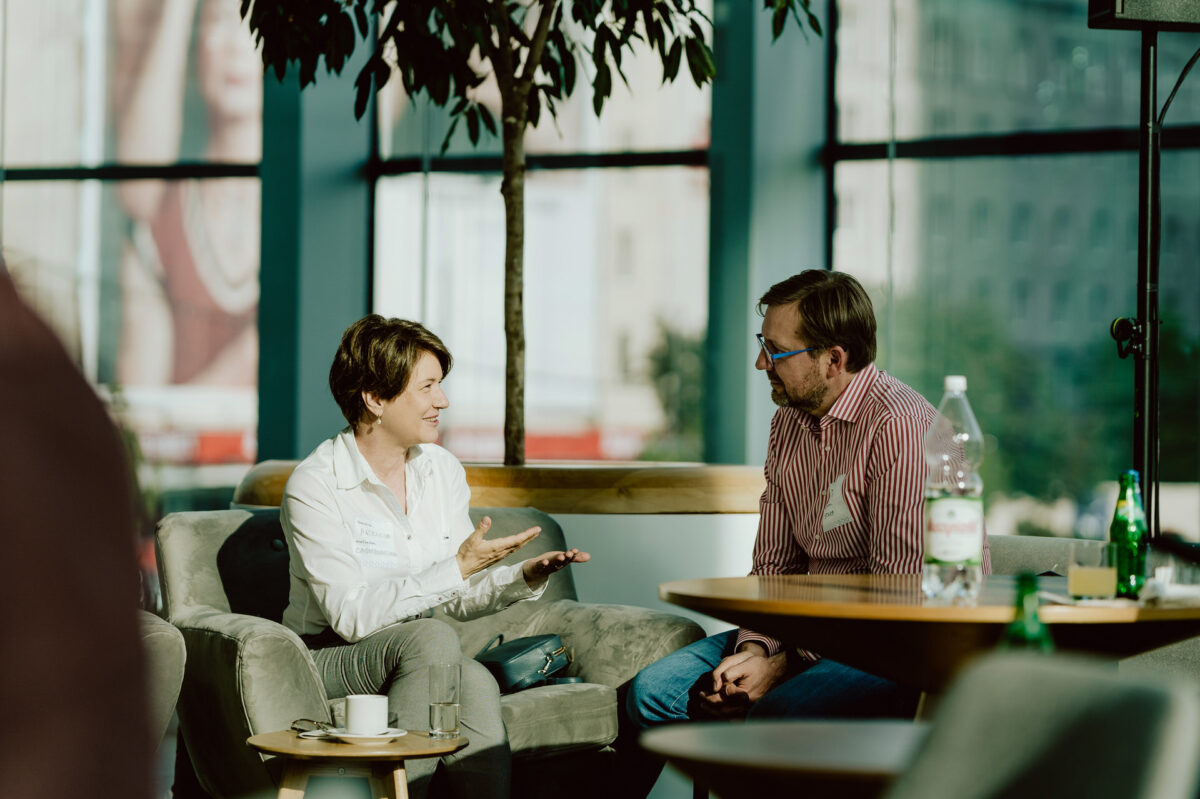
- Capturing the relationship between founders, investors and mentors,
- Building a coherent narrative of the finale of the accelerator program,
- Delivery of material ready for further communication use.
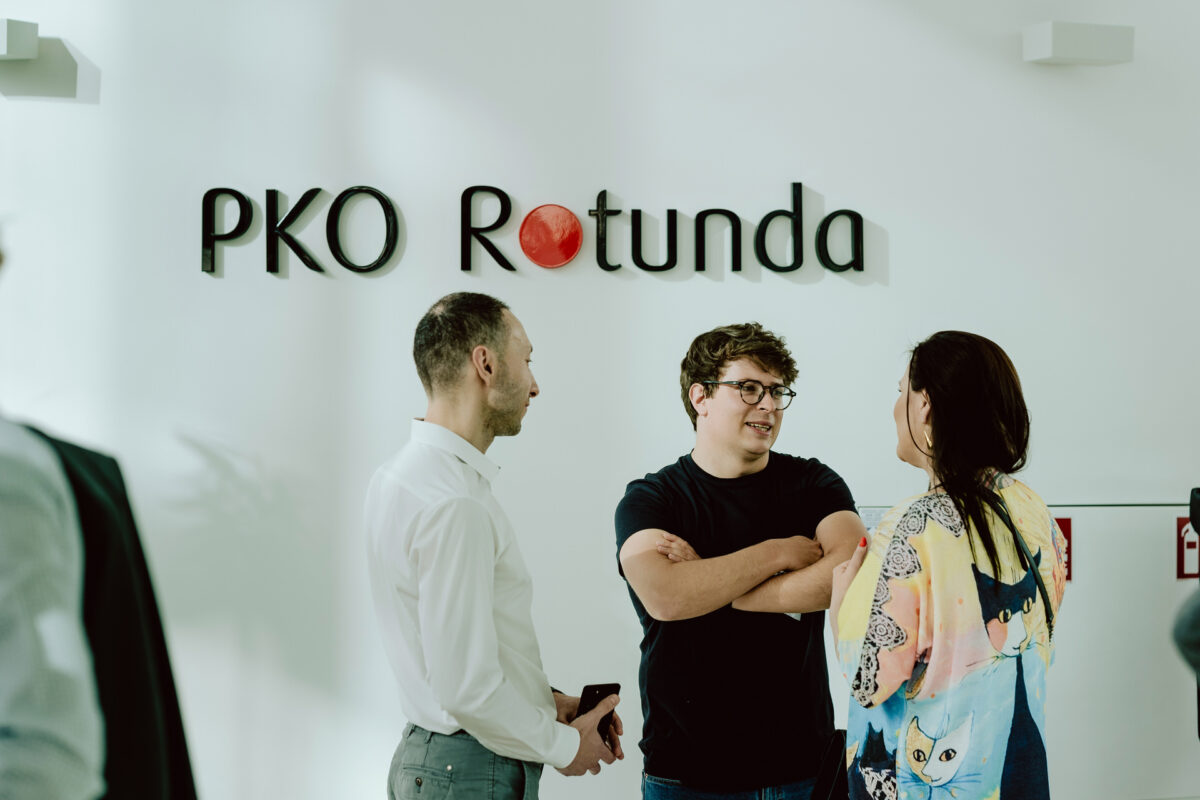
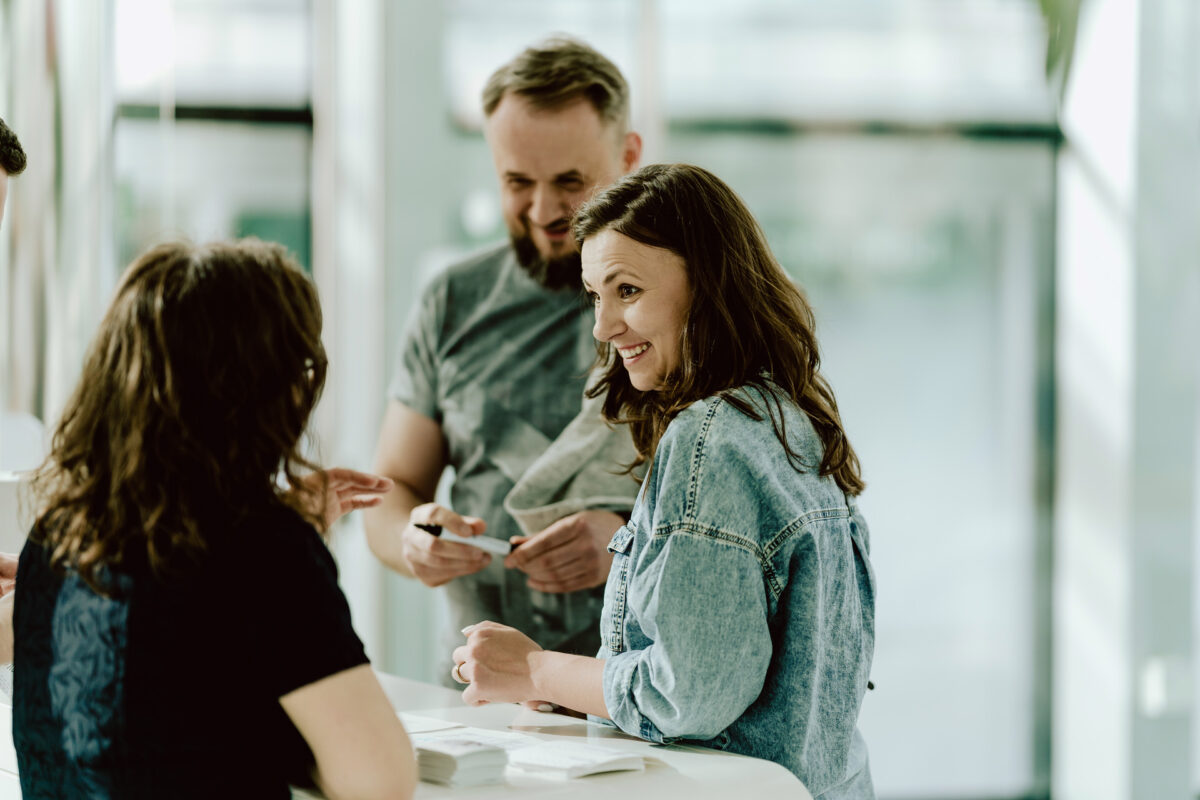
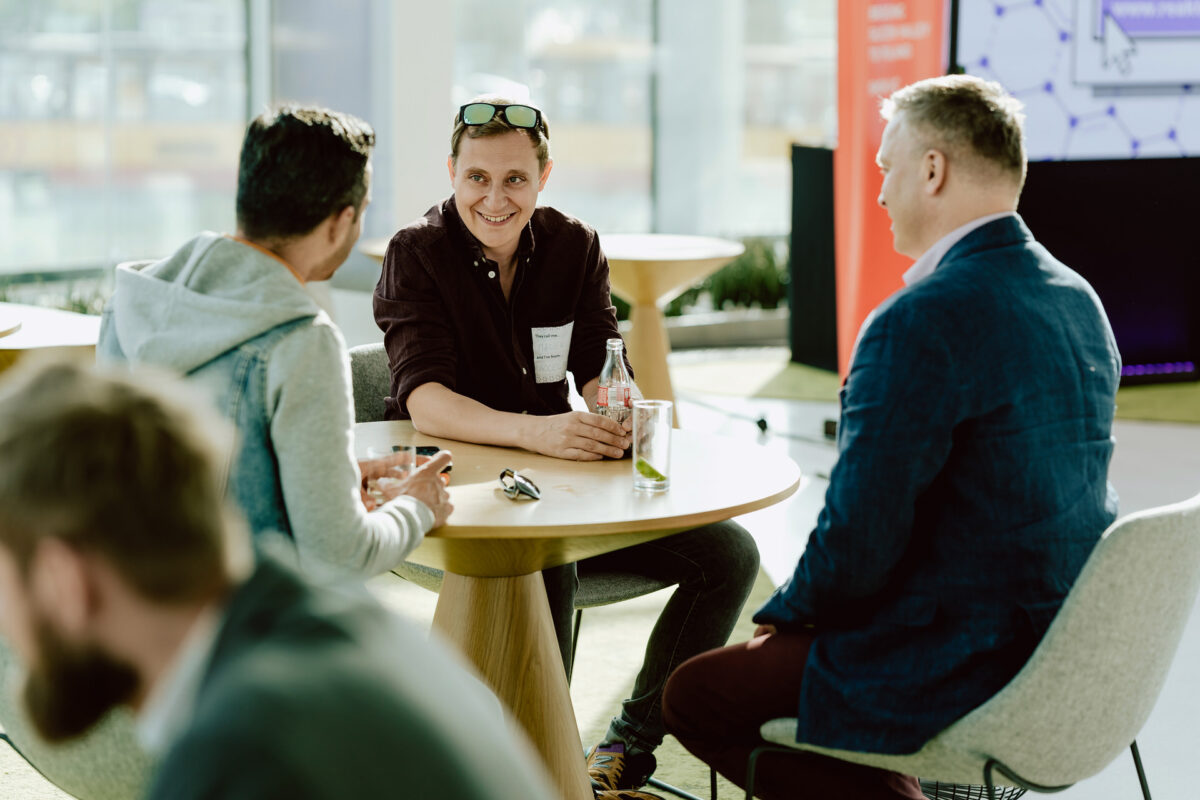
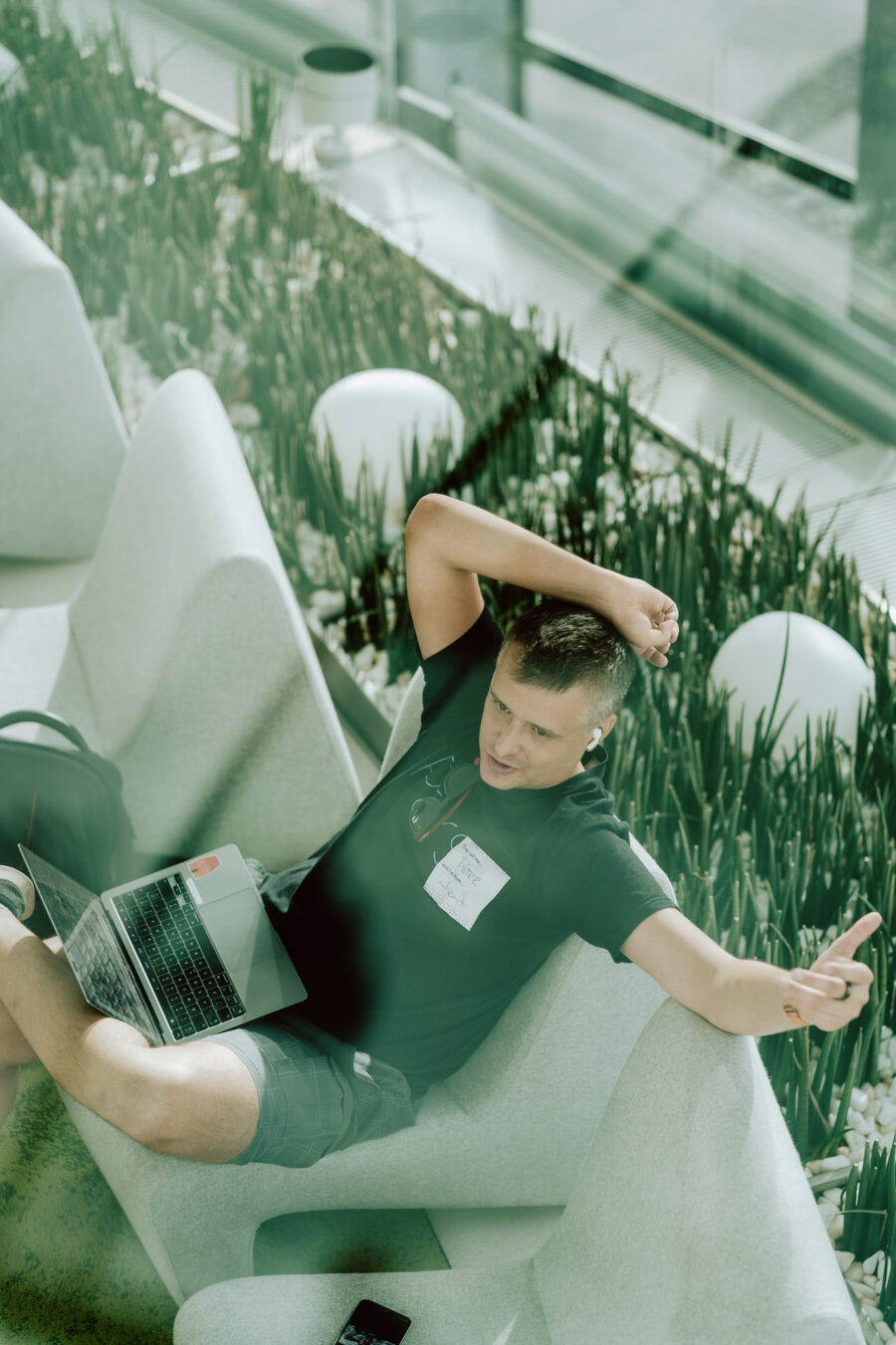
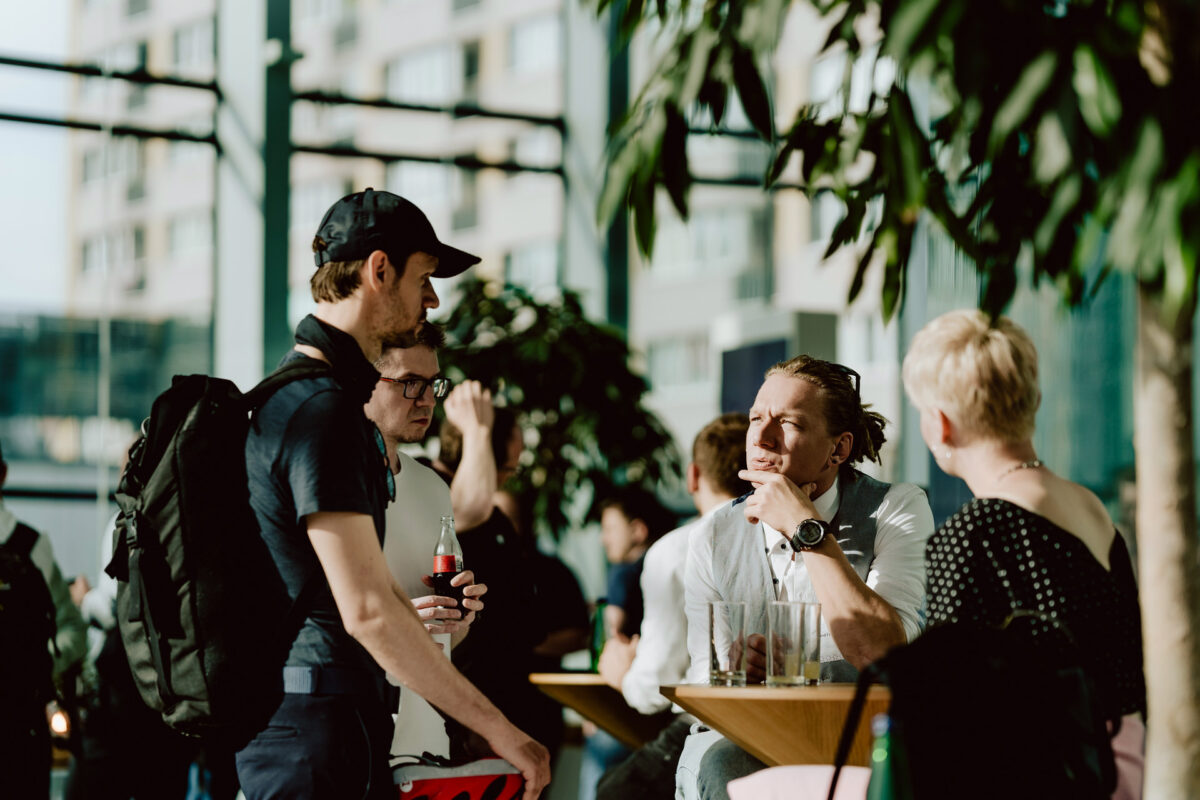
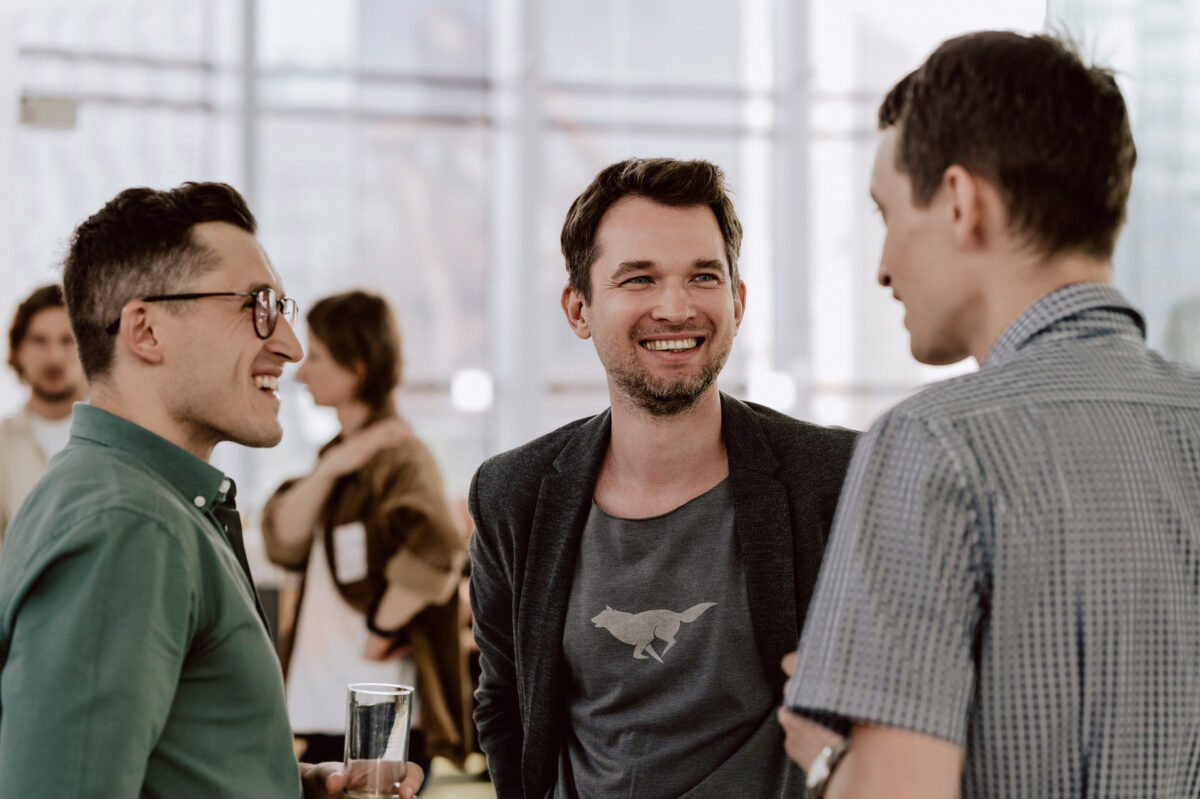
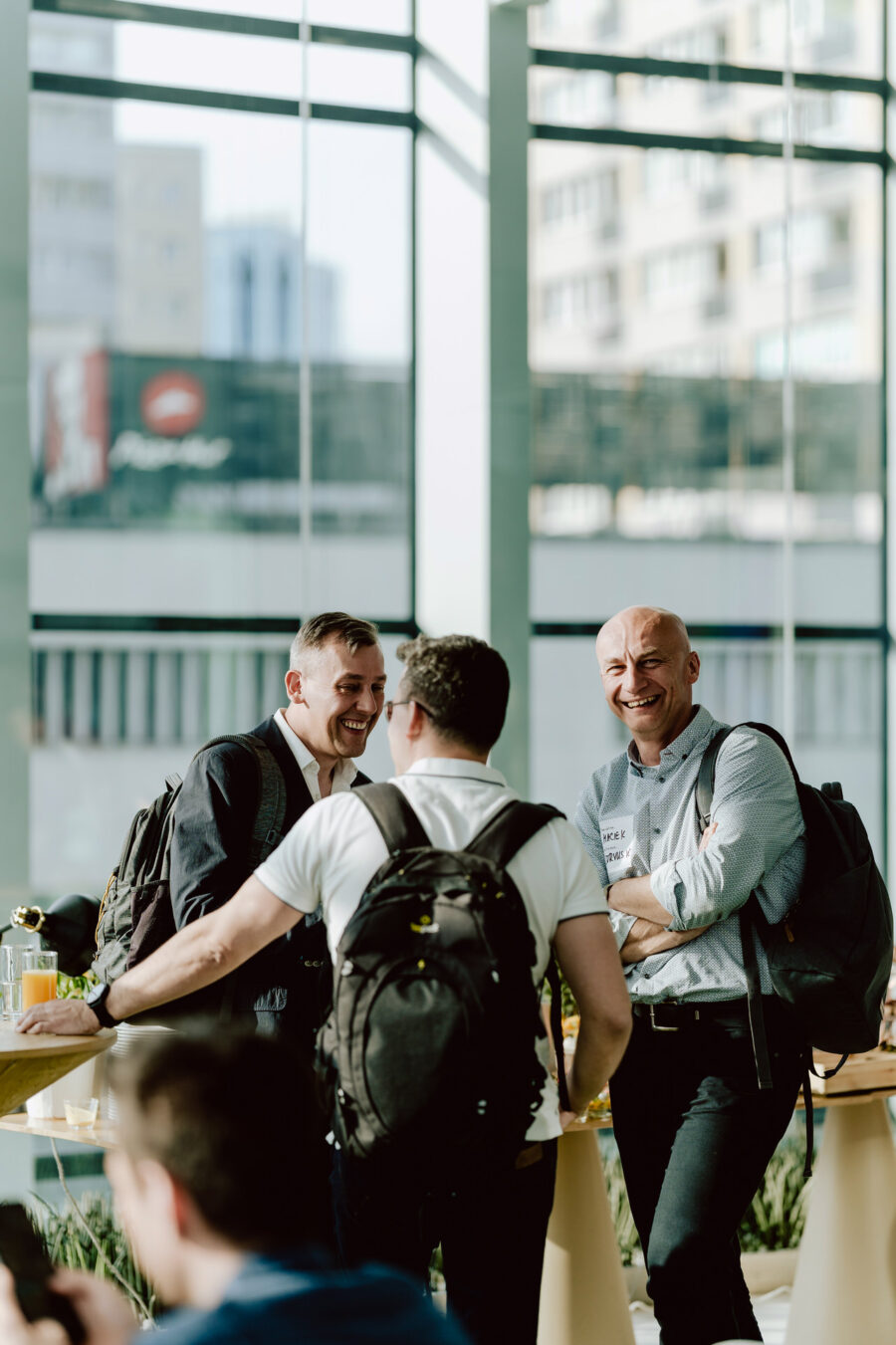
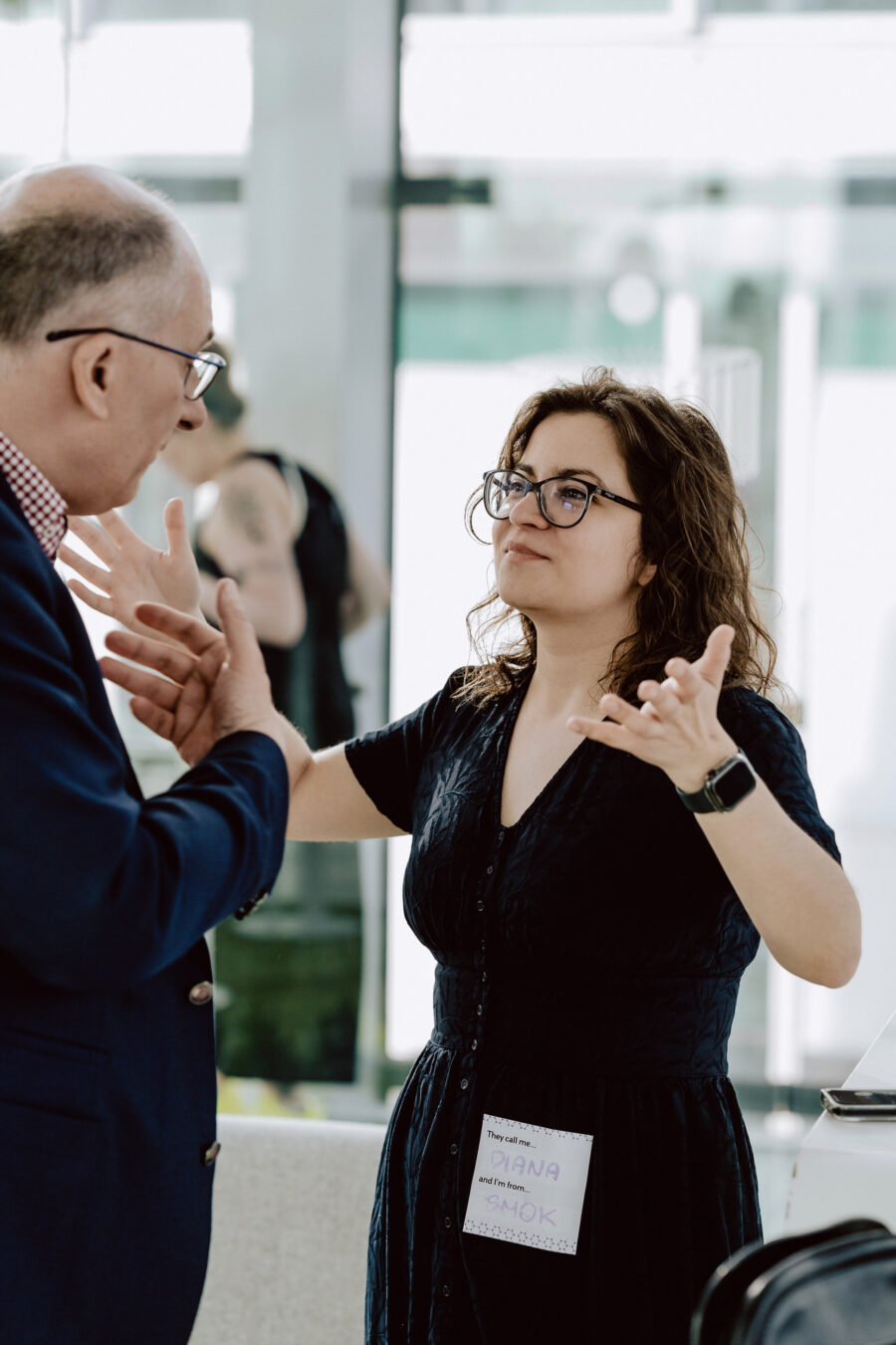
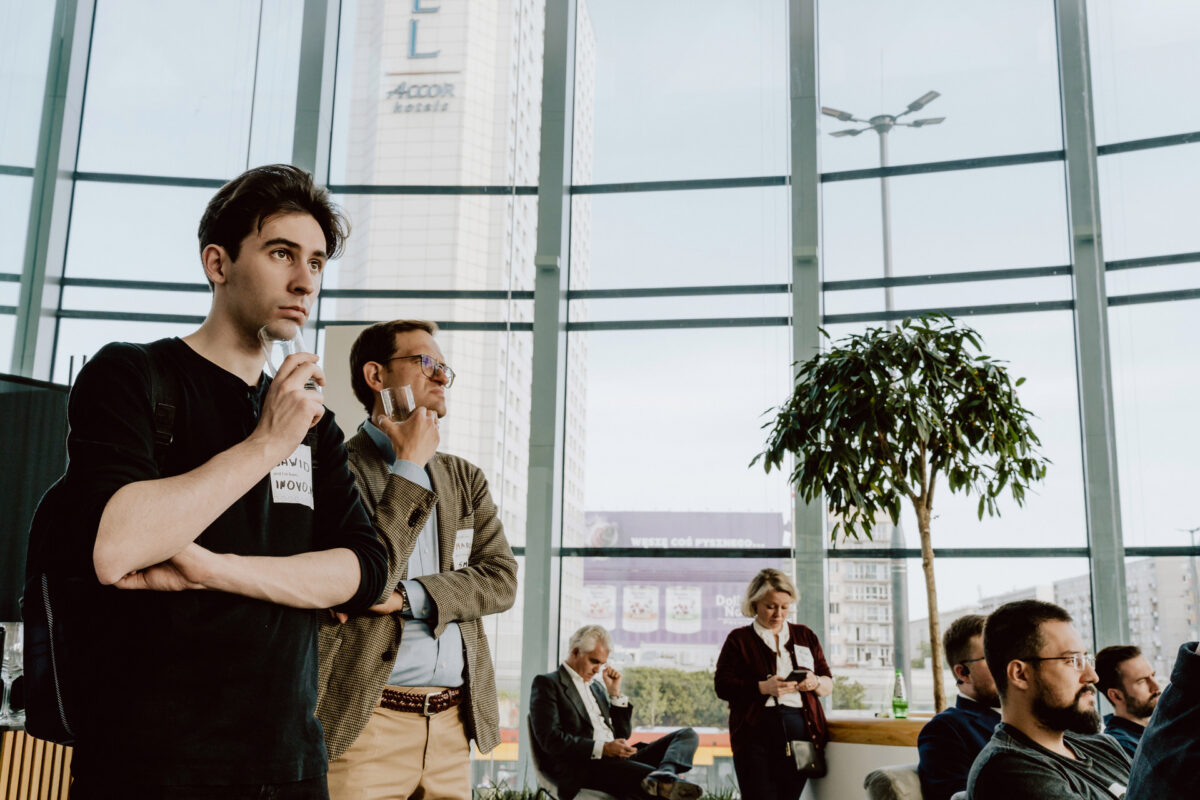
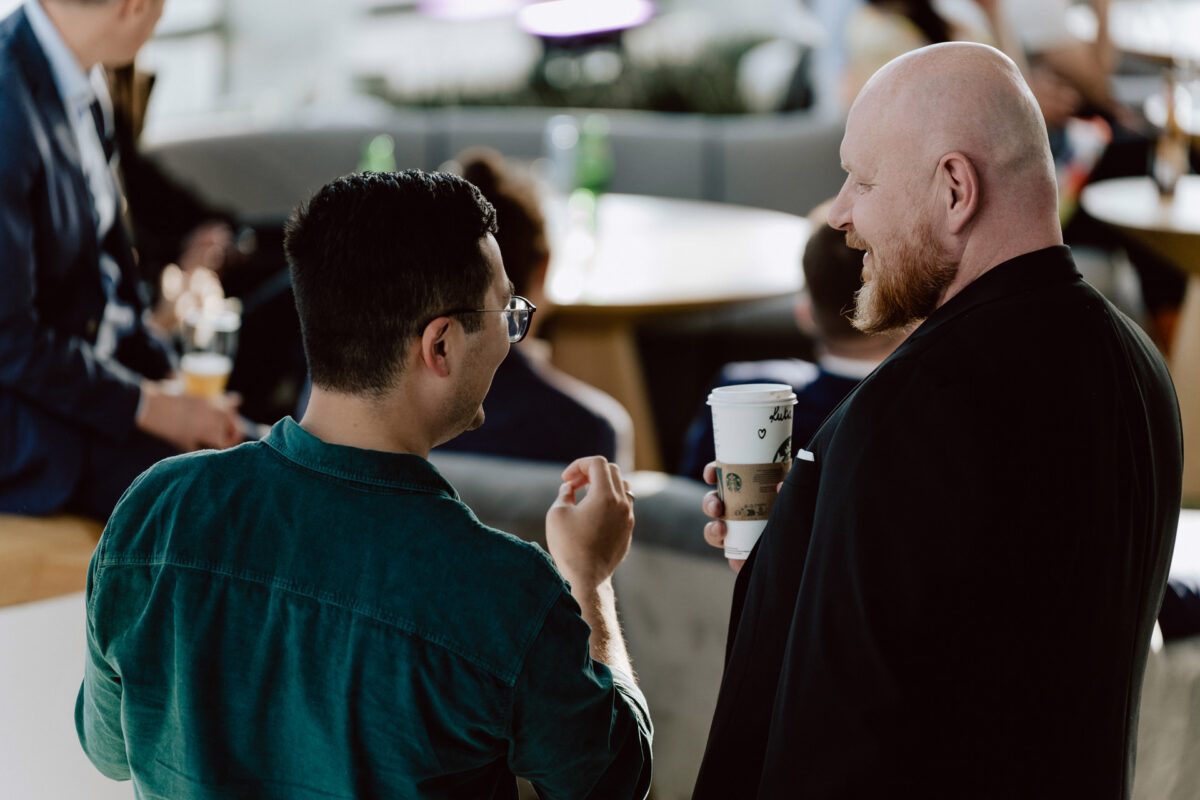
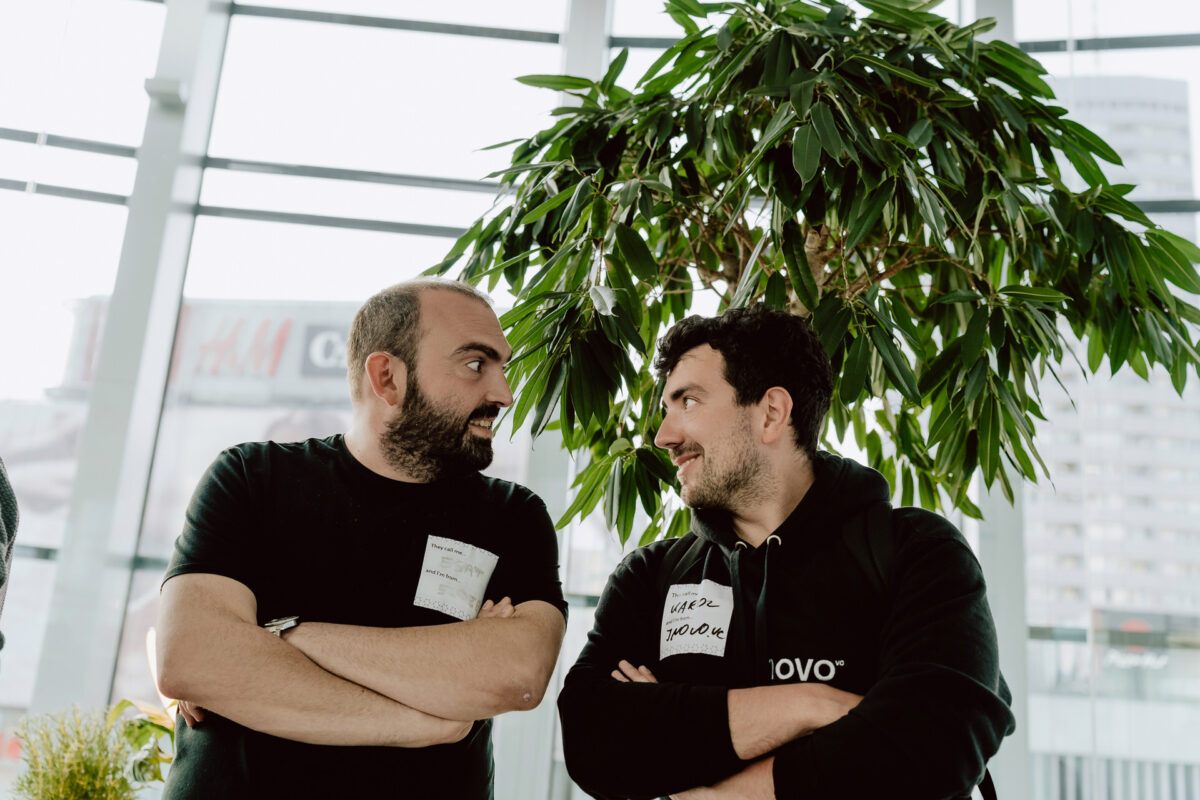
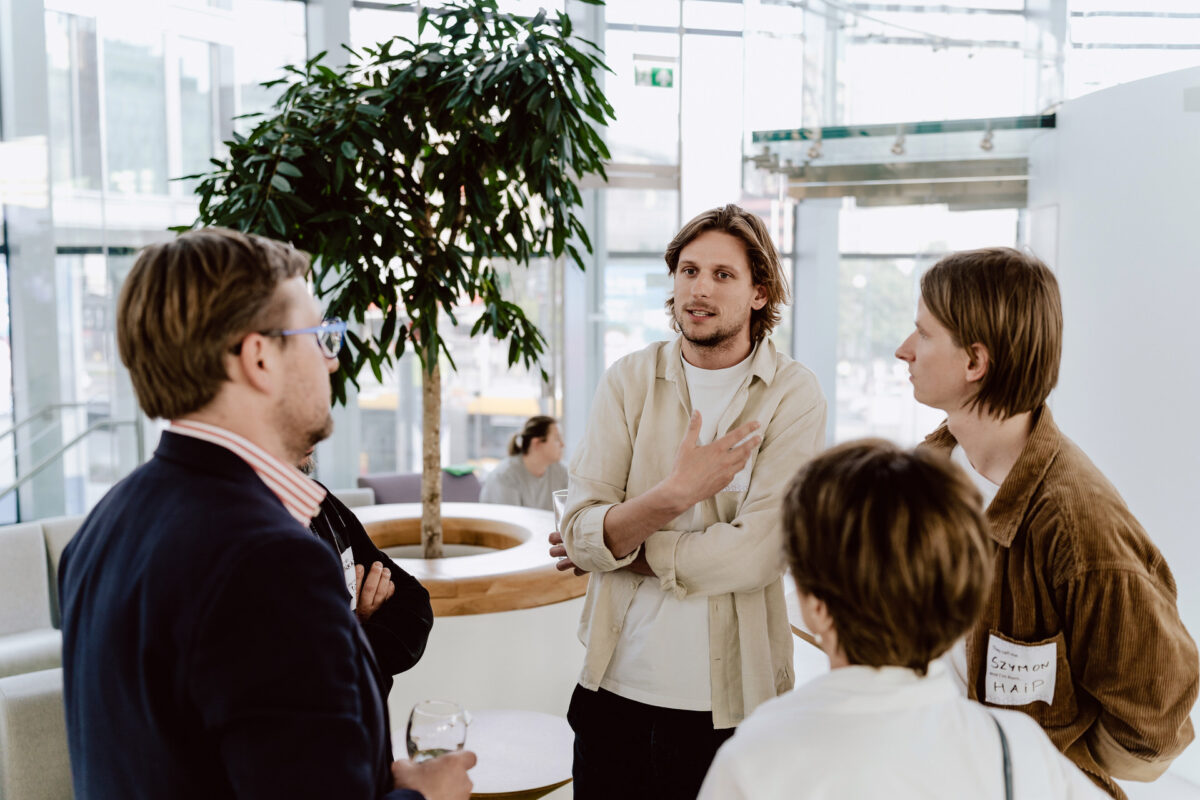
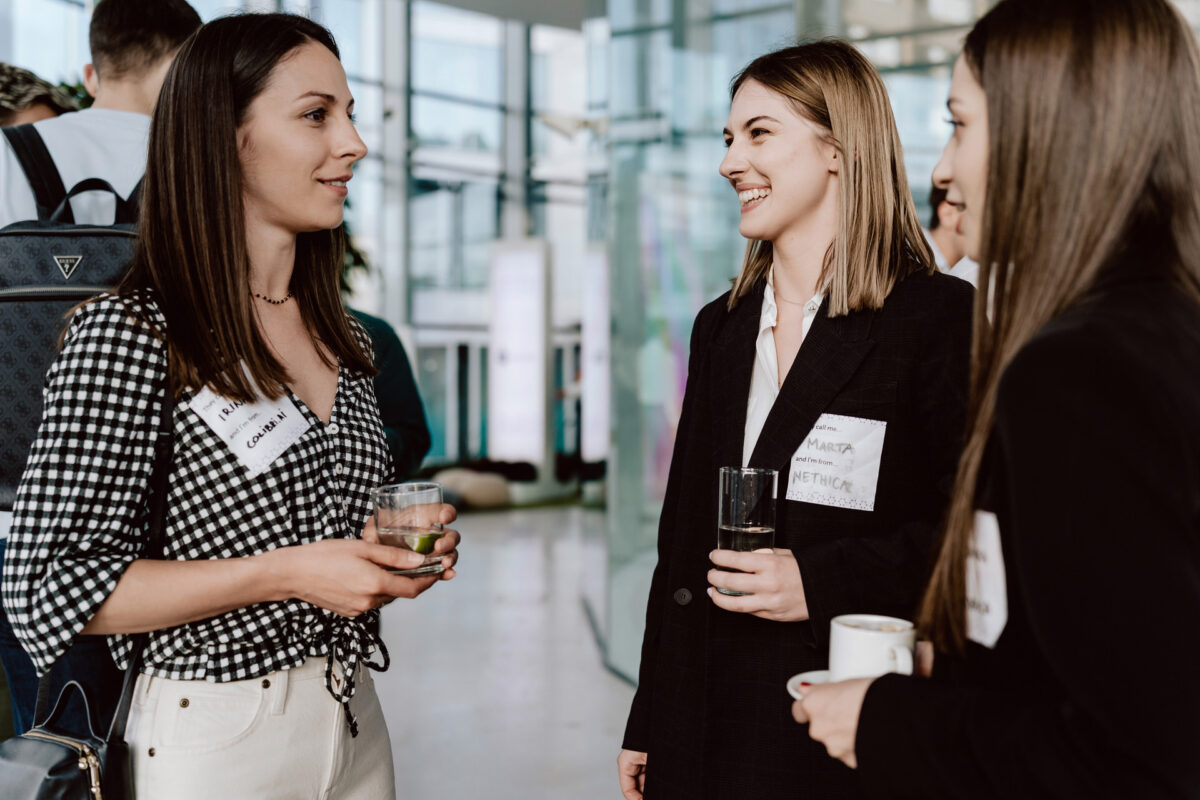
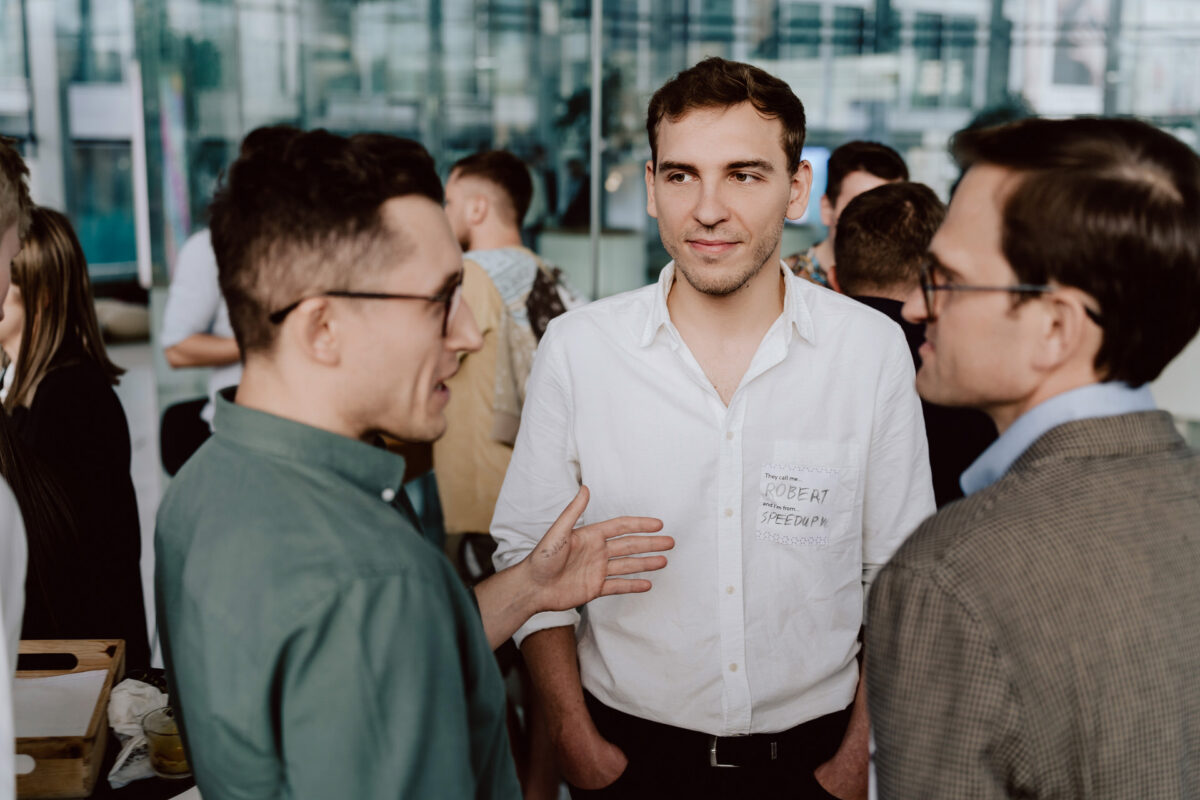
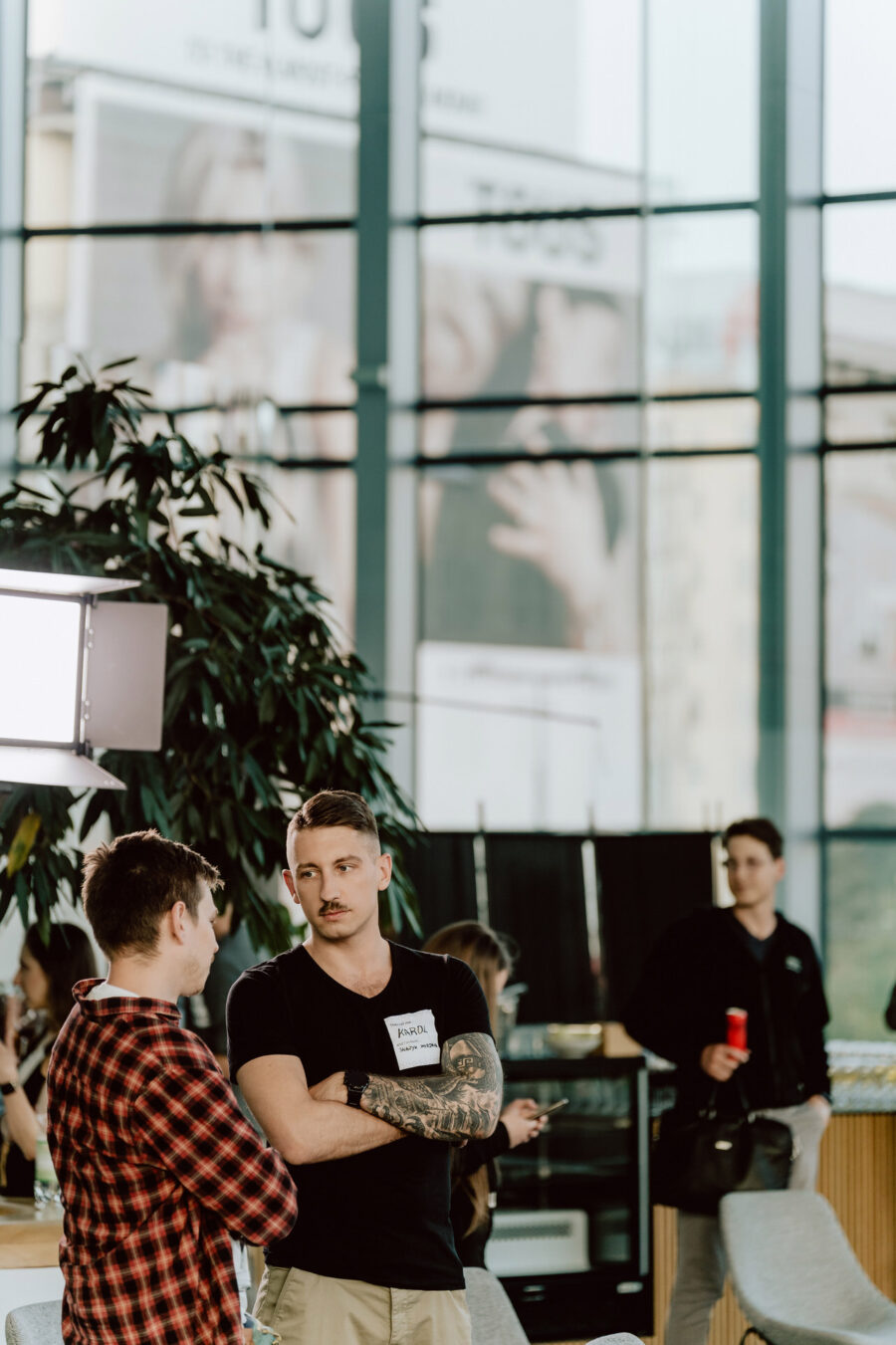
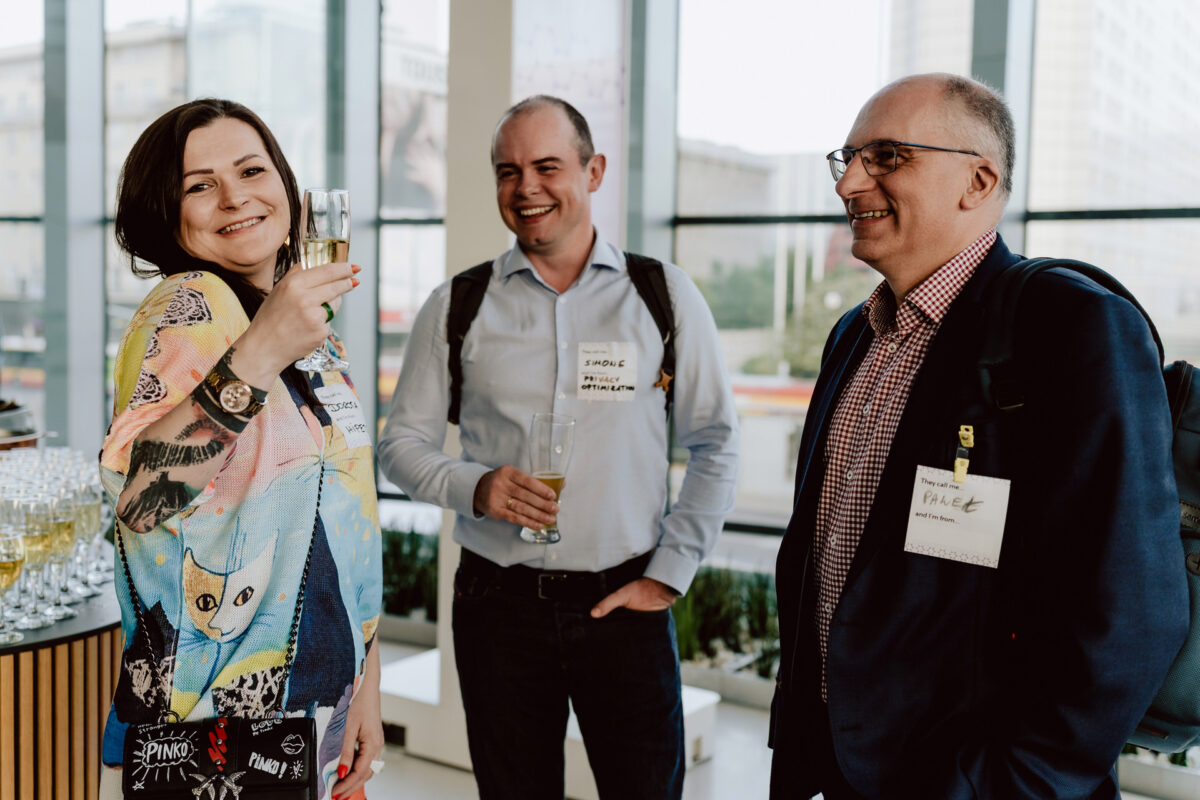
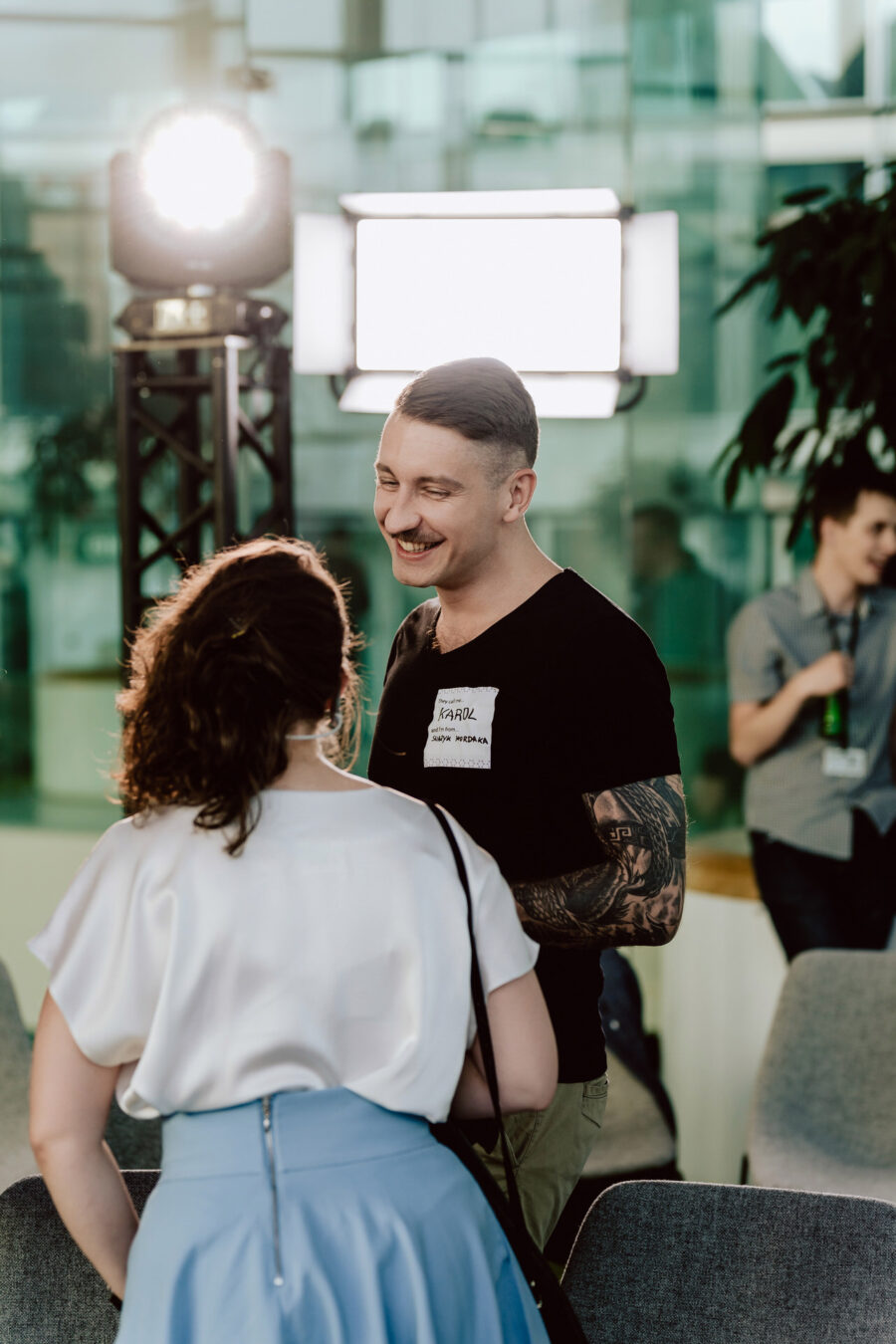
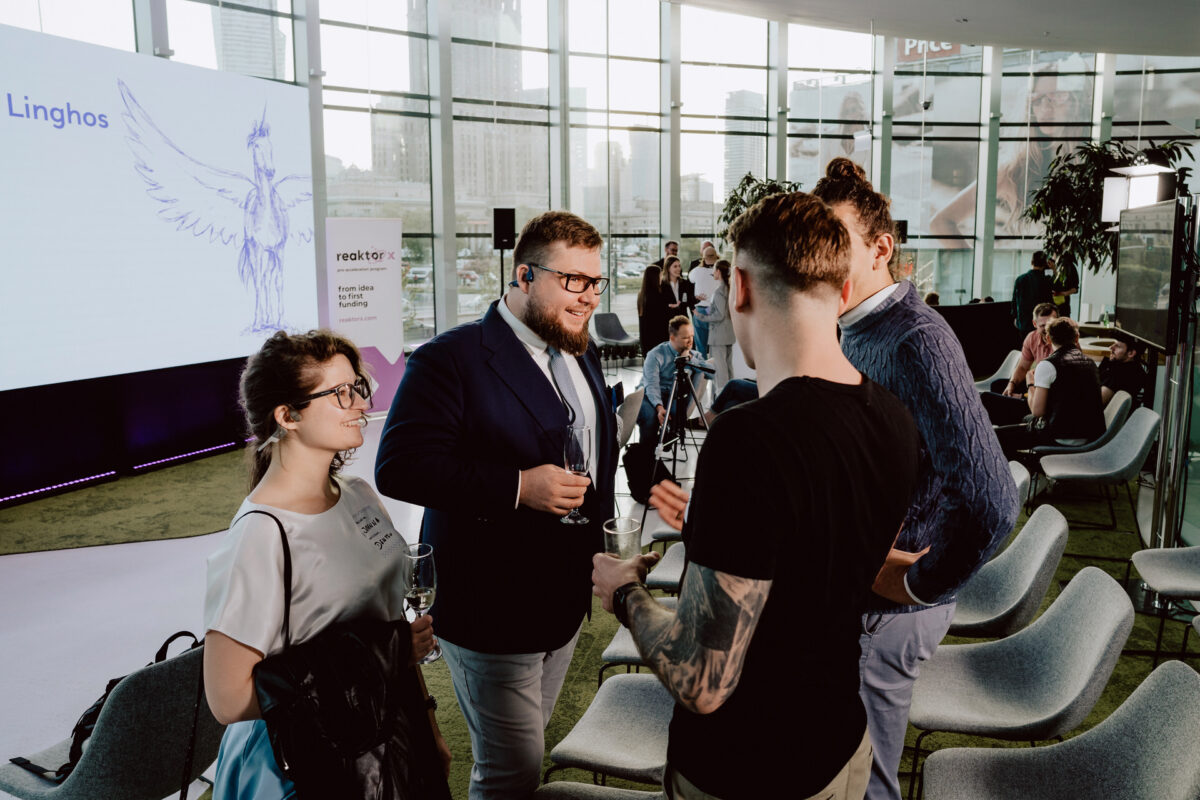
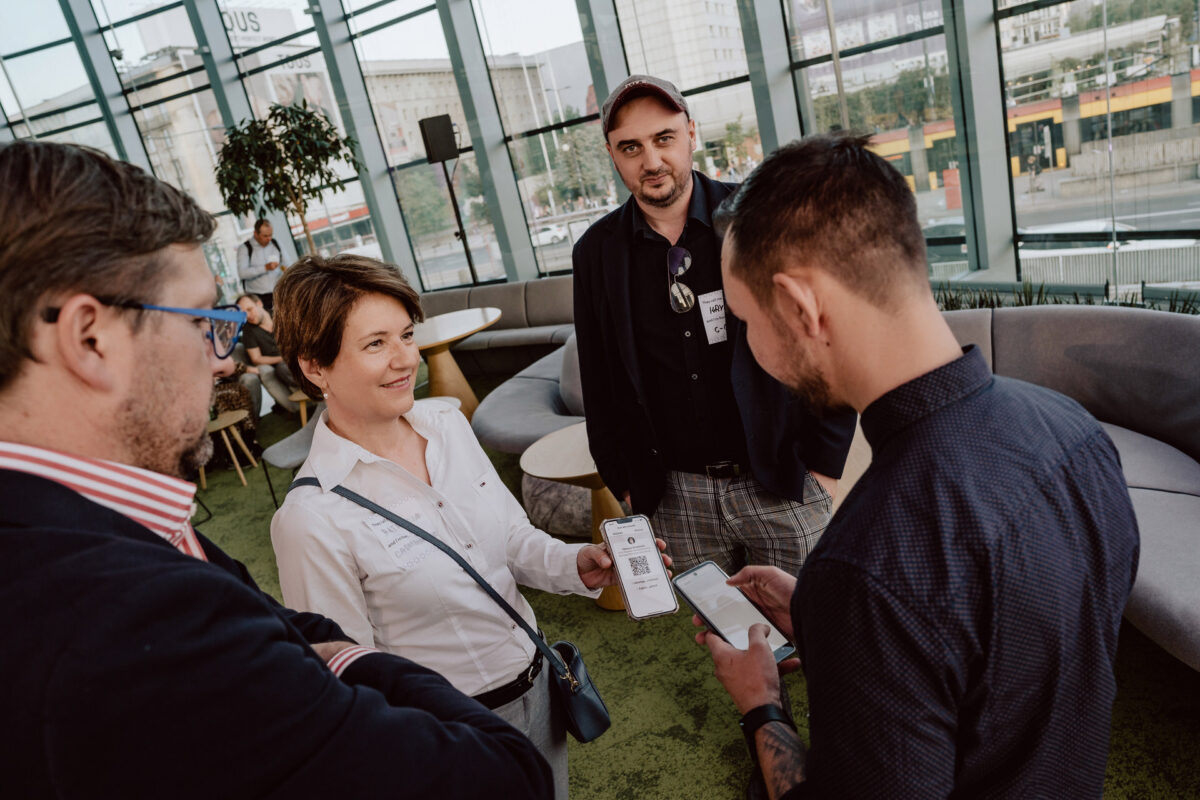
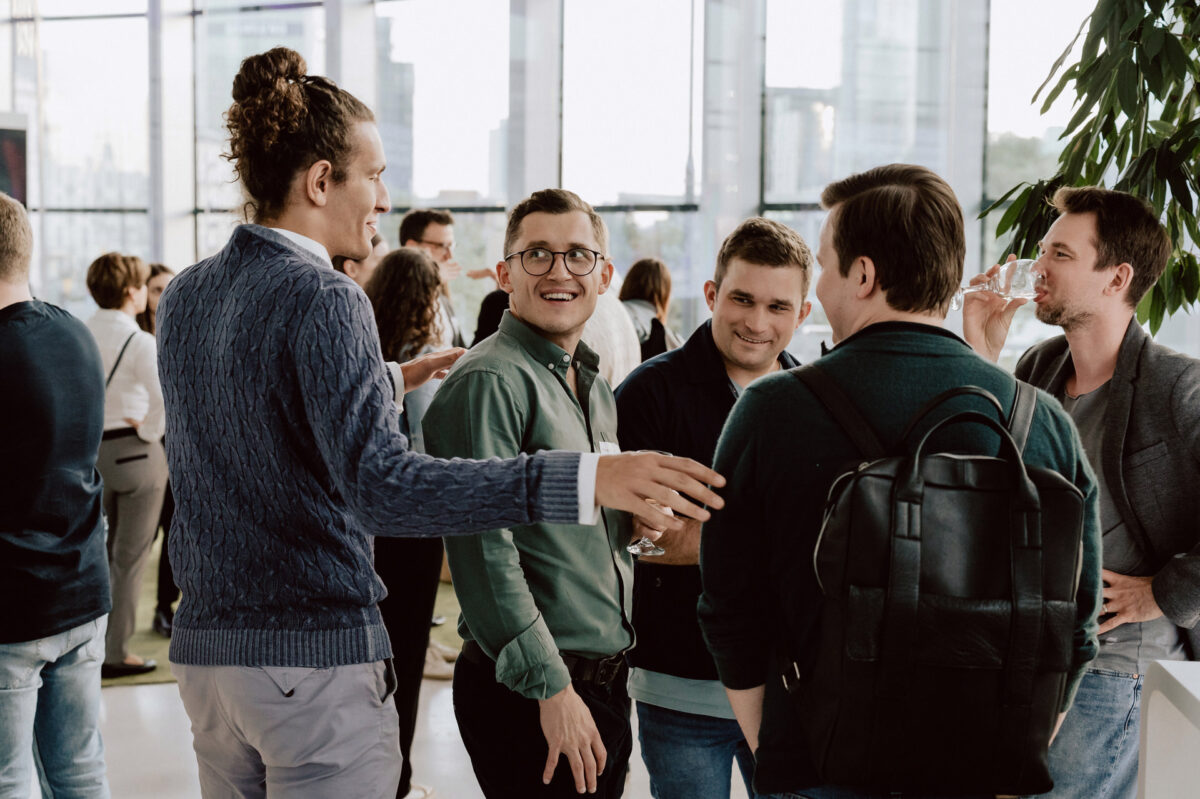
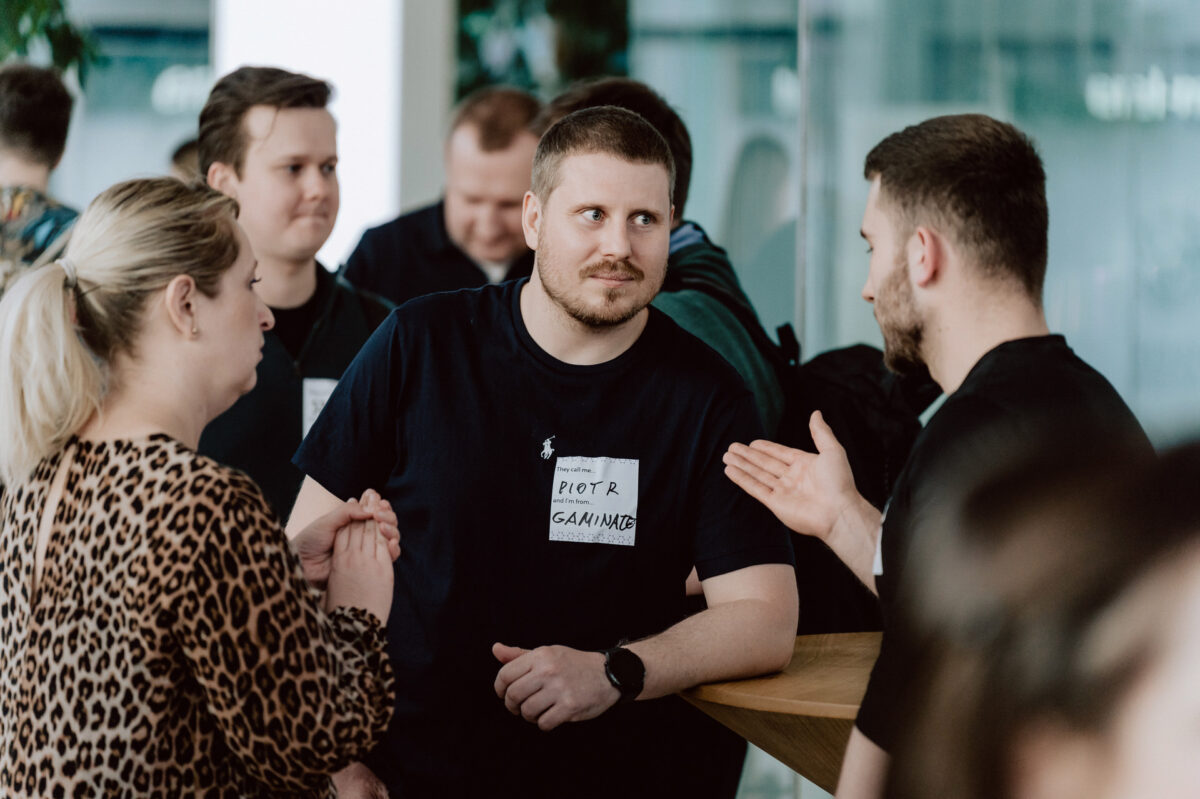
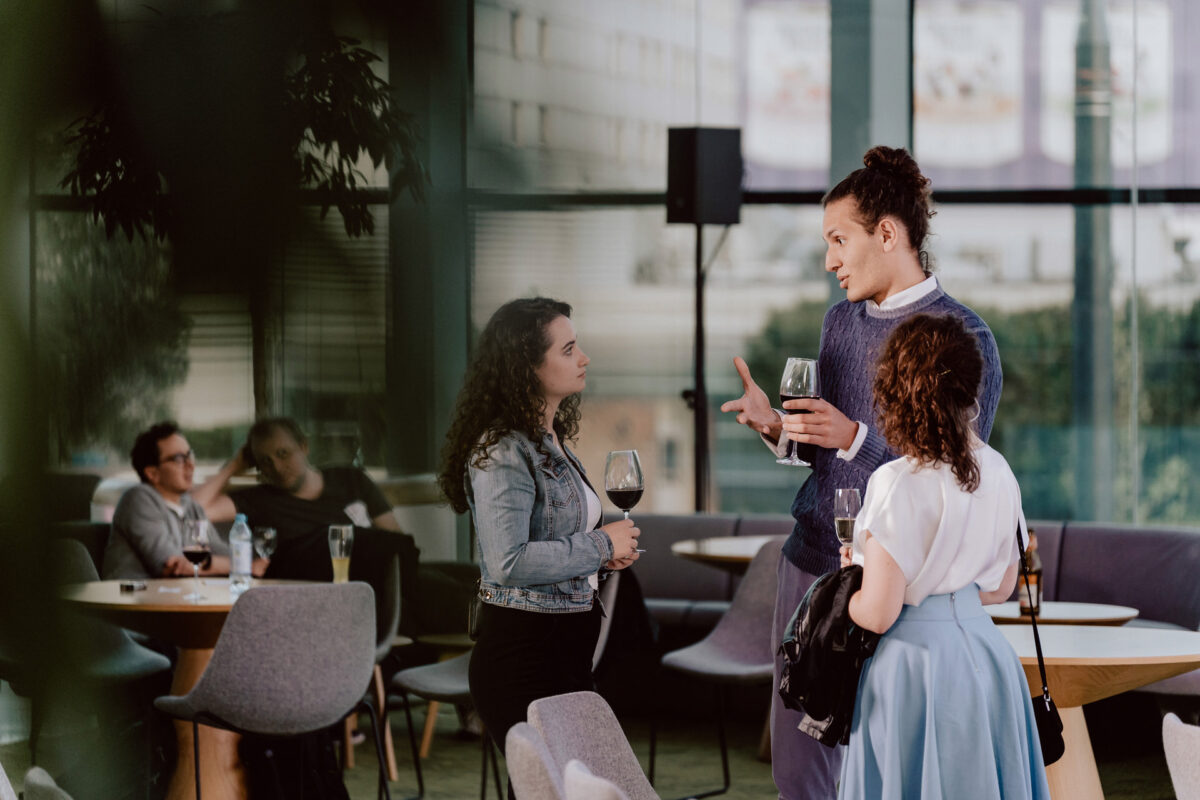
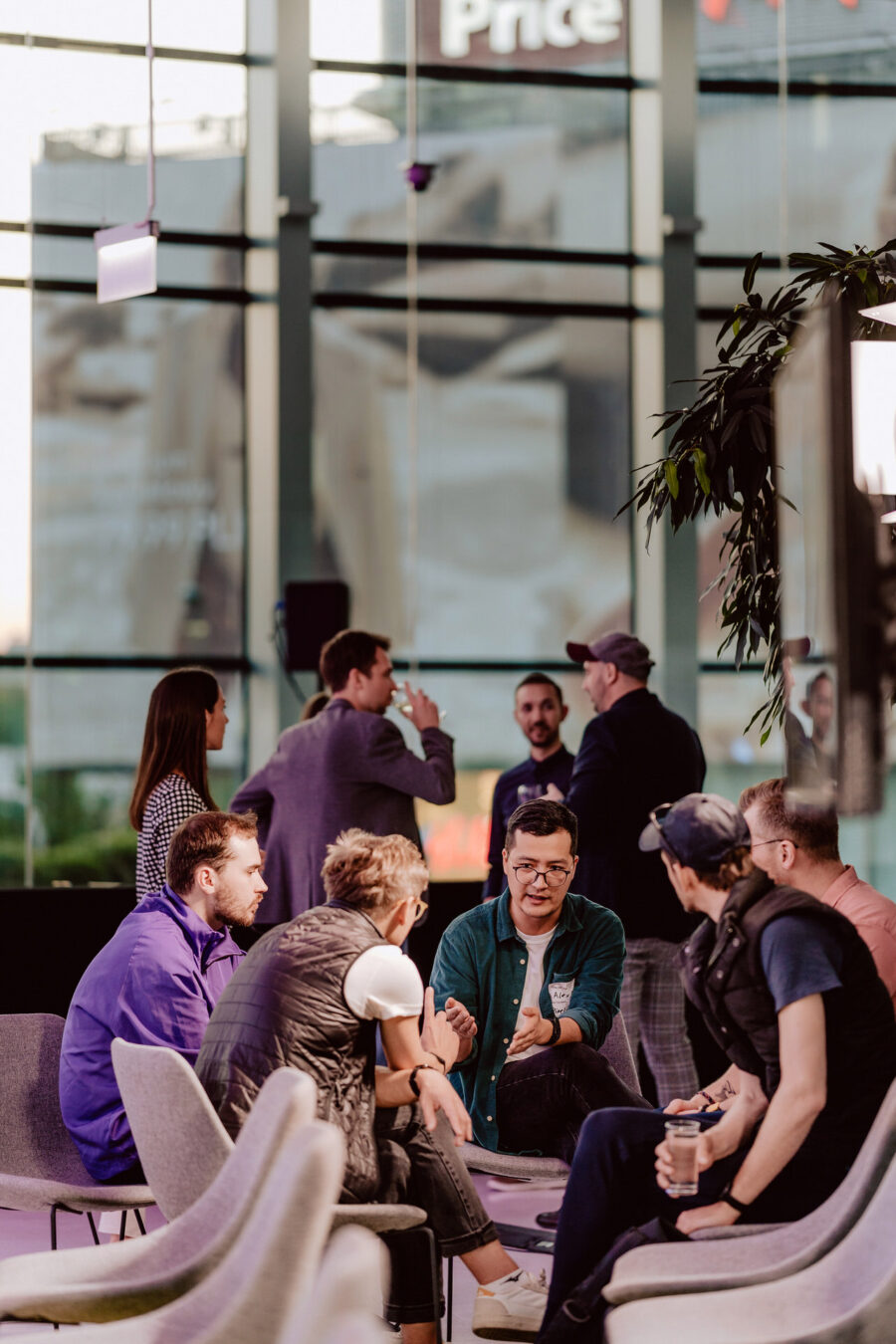
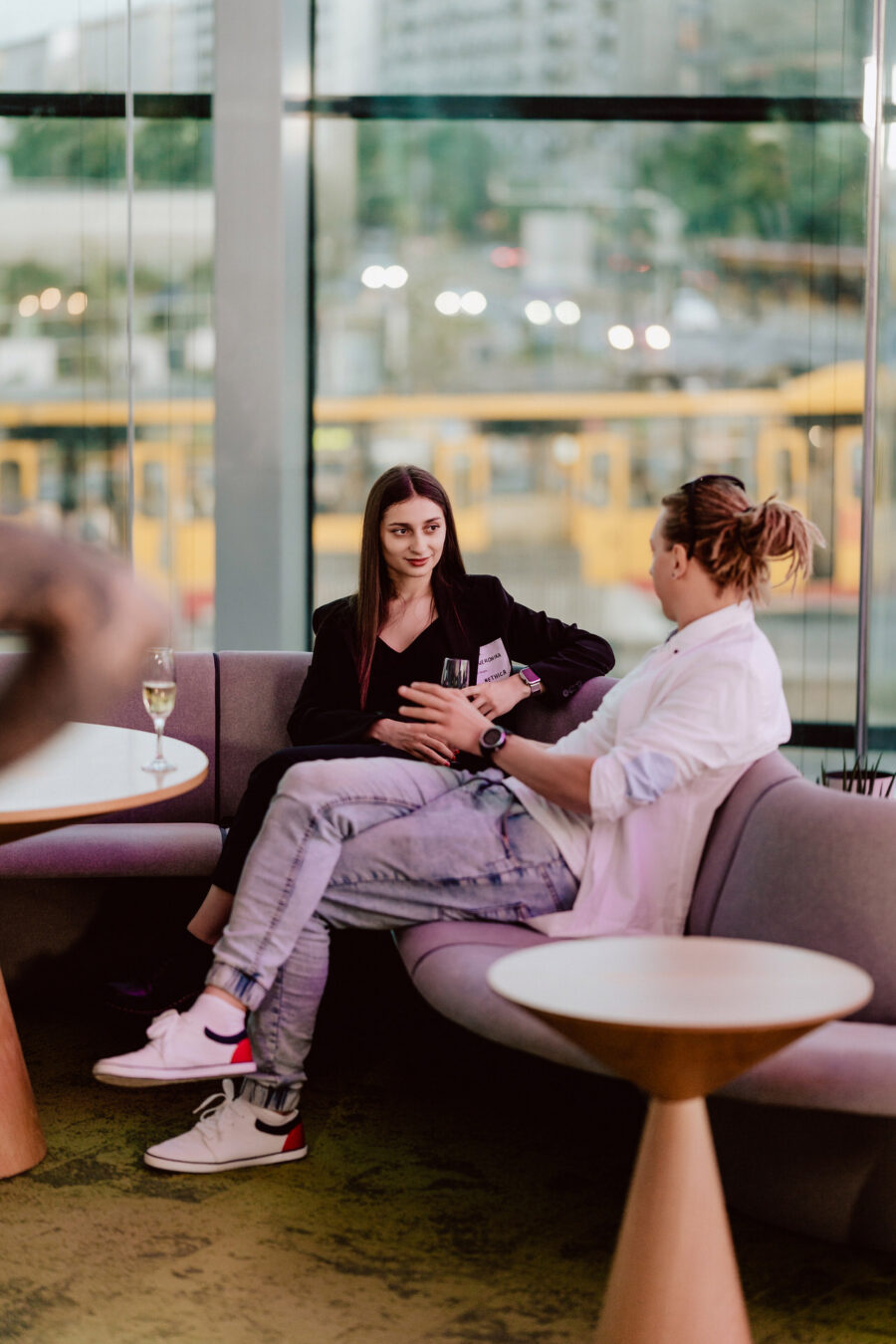
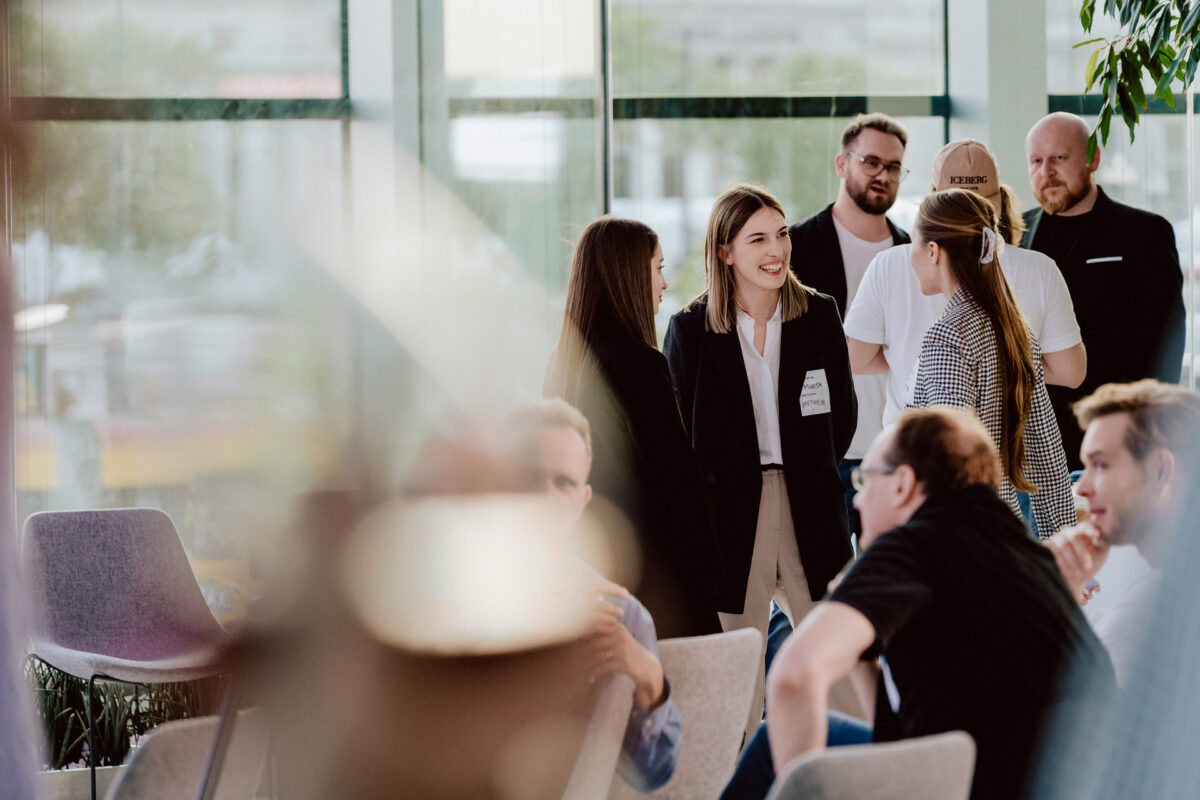
Therefore, just as important as the shots from the stage were the moments off stage: backstage conversations, networking, audience reactions and details showing concentration and commitment.
The photographer’s role during the event
During this Demo Night, I acted as a vendor photographer, focused on accurate event documentation and presentation progress, without interfering with the way the event was conducted.
In practice, this meant:
- ongoing cooperation with organizers and facilitators,
- Moving through the space so as not to get into the frame or rhythm of the presentation,
- adapting to the pace of the event and its natural dynamics
Wide framing and detail
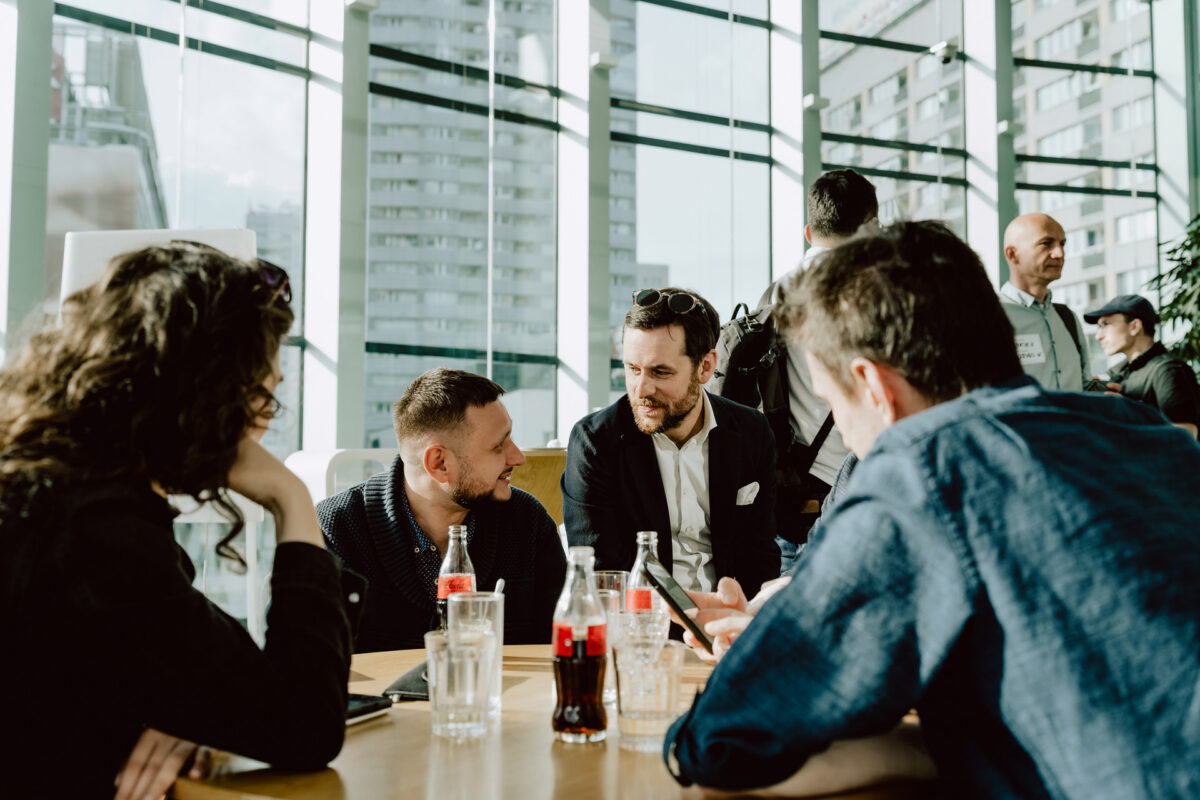
In this space, the wide shots also did their job. The Rotunda, located in the heart of the city, worked well as a context for the startup presentation. However, I was keen to strike a balance – without going into architectural photography, but showing the scale and location of the event.
Equally important were the details:
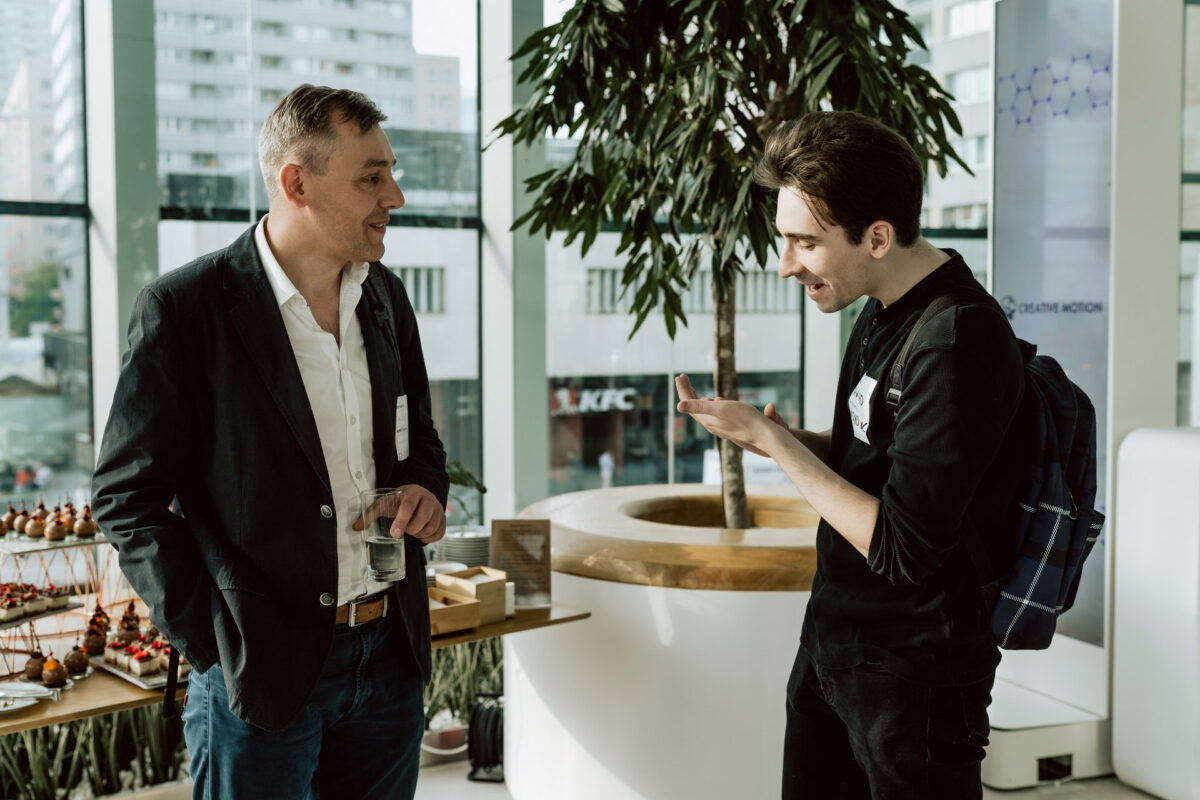
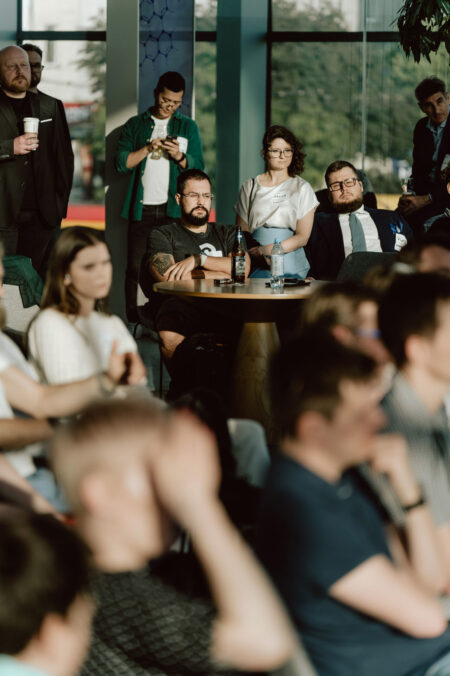
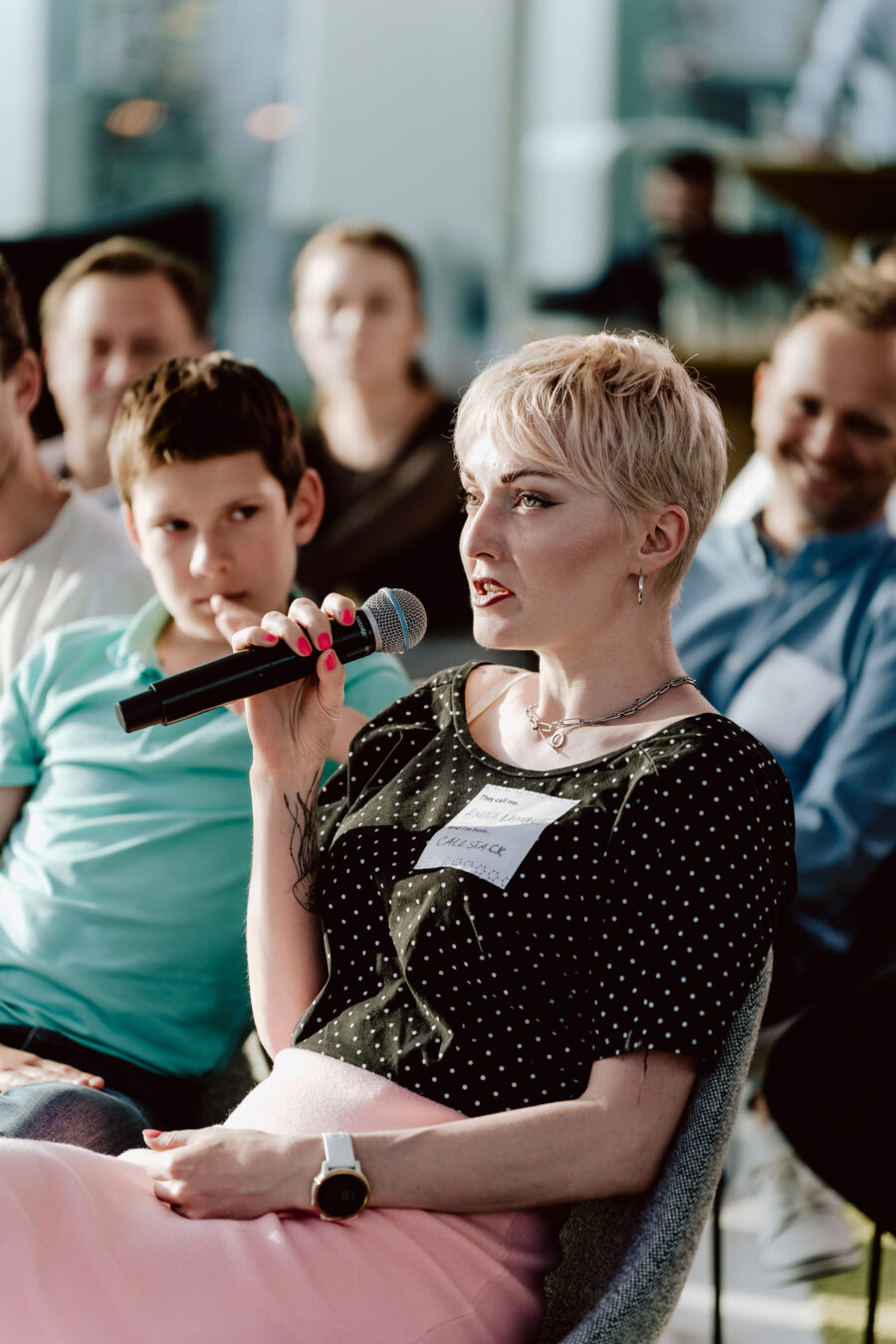
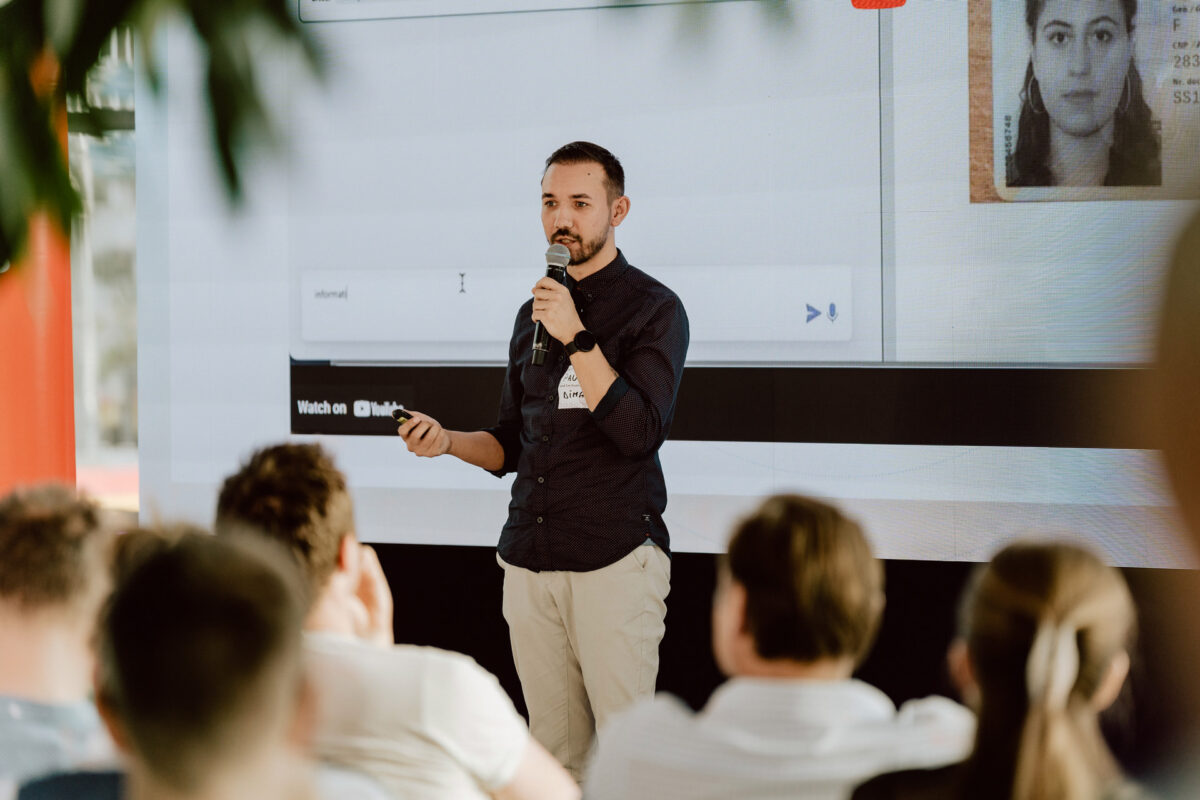
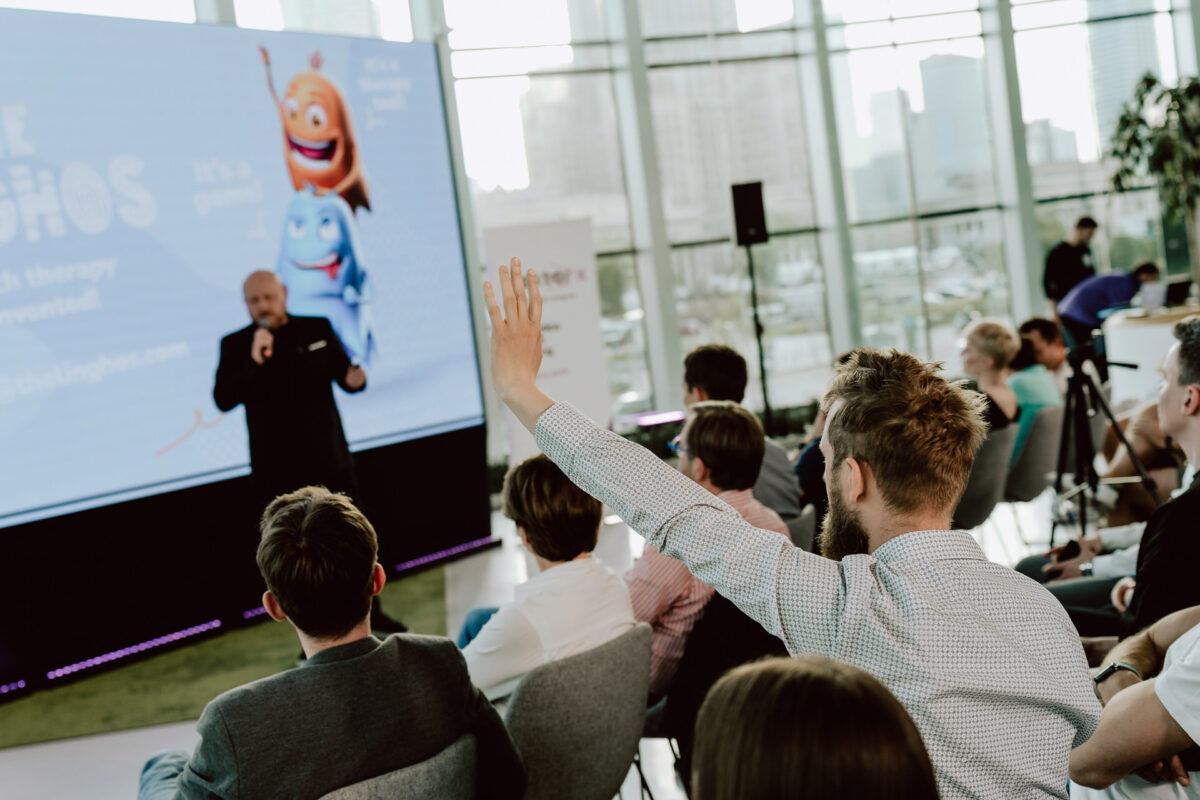
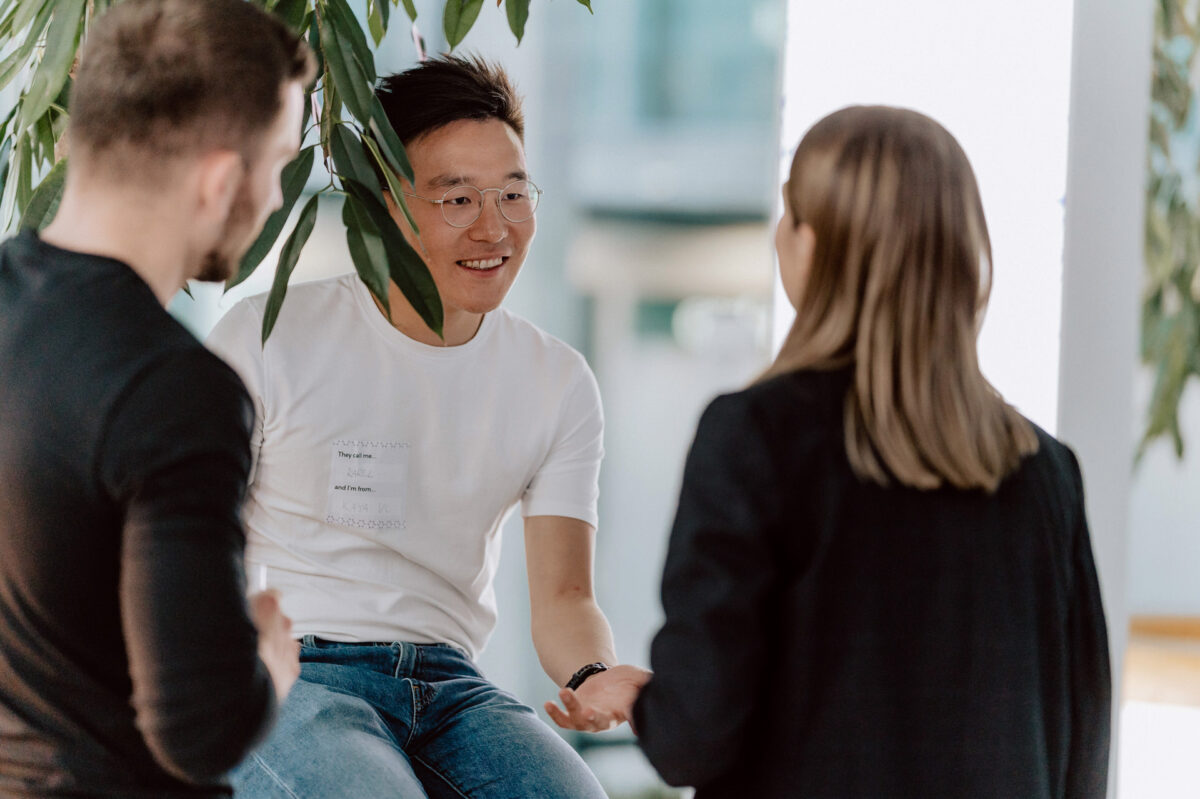
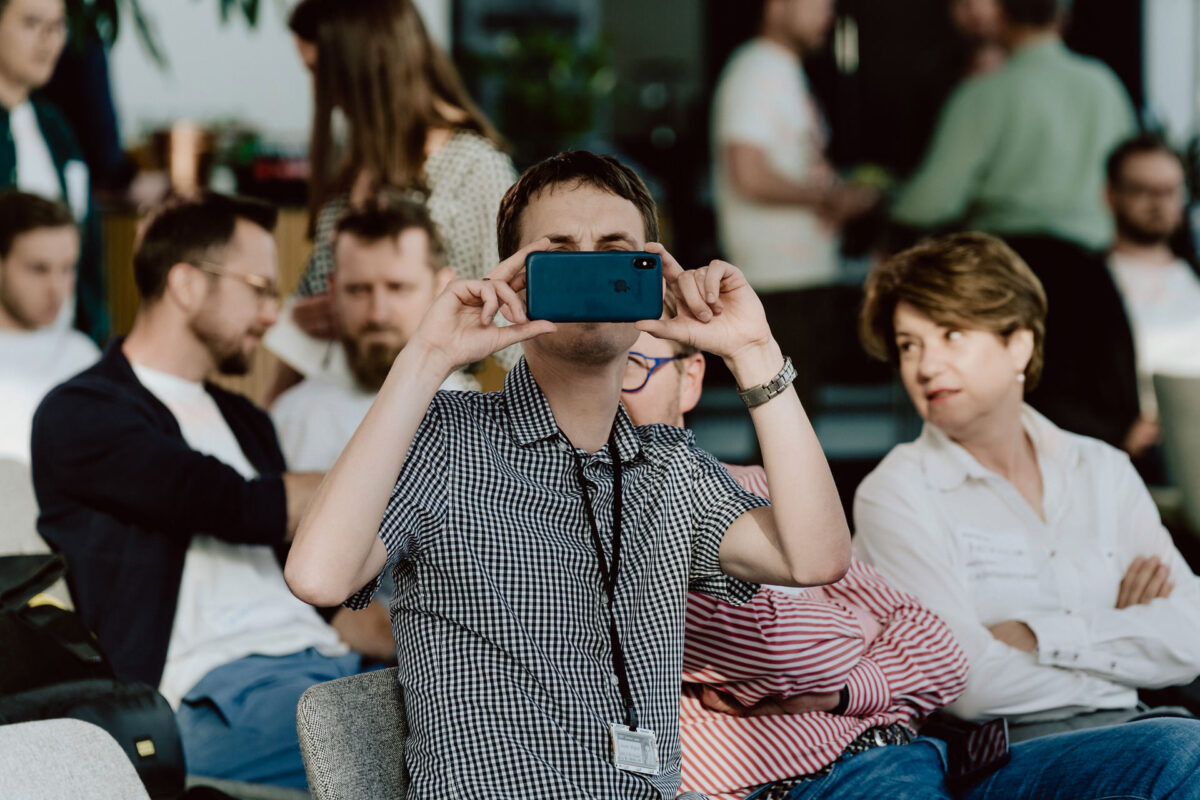
- Interactions between presenters and the audience,
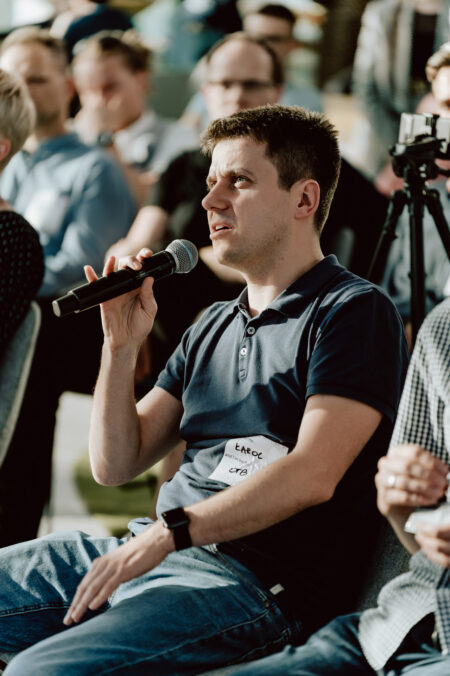
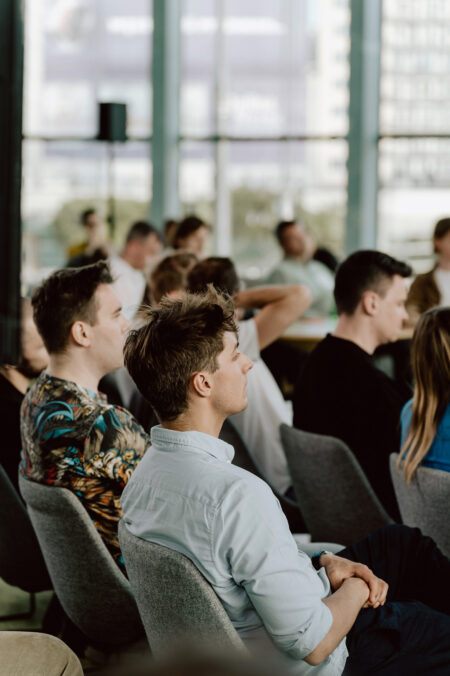
- Questions asked from the floor and active listening,
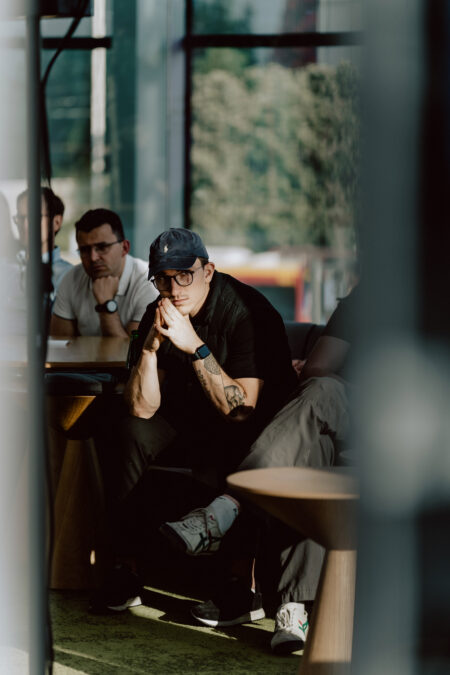
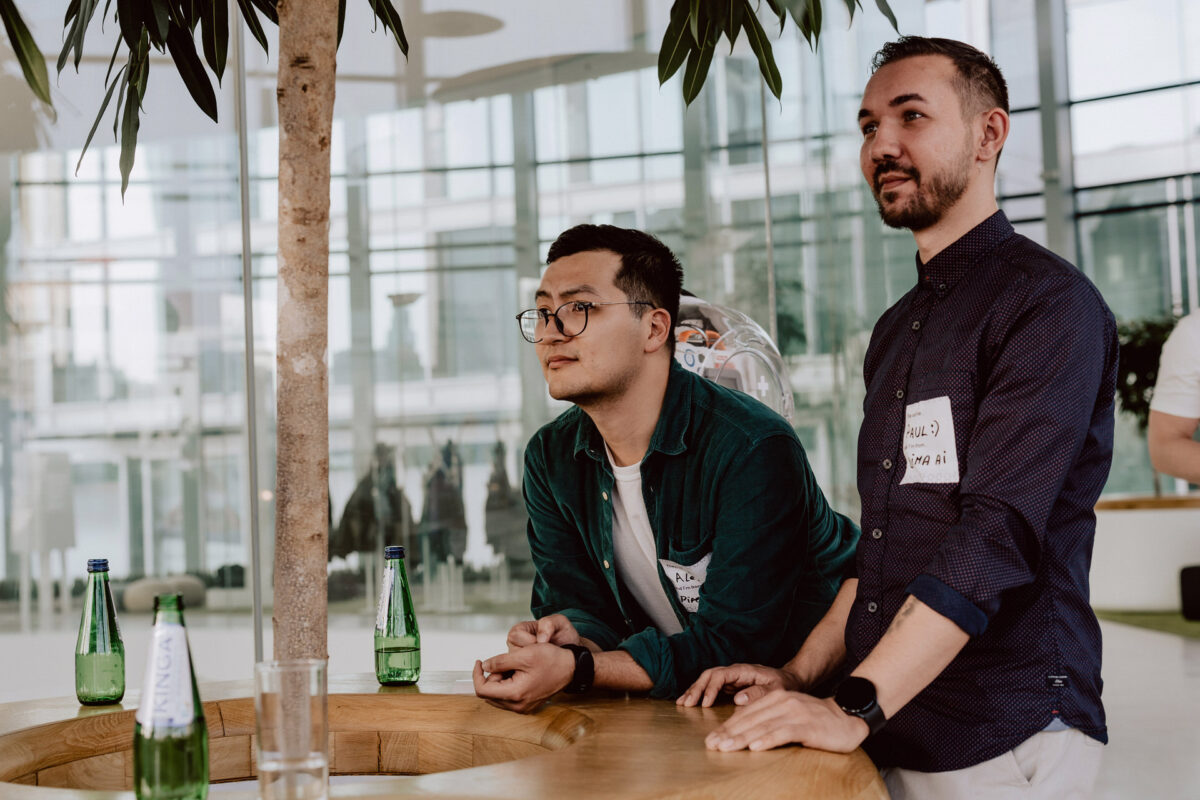
- concentration of founders who were actually involved in the conversation,
- No “phone scrolling,” typical of large business conferences.
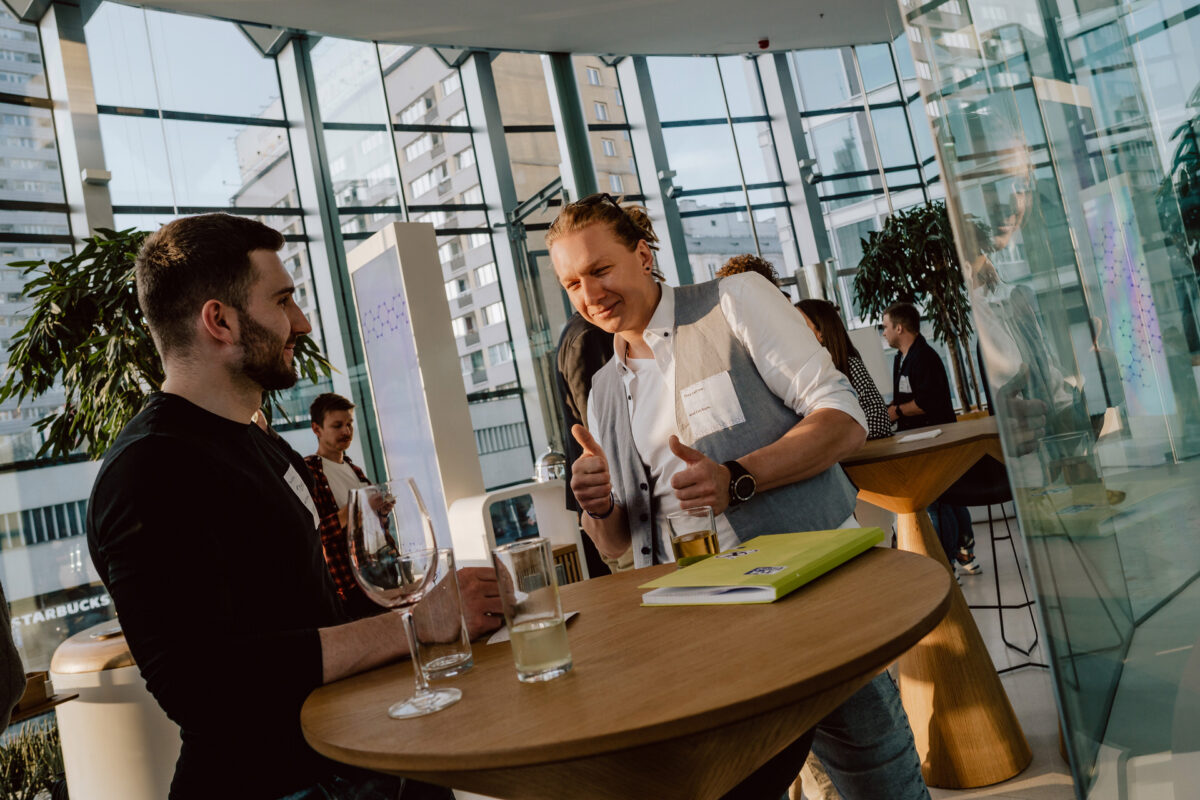
This was an event about real business and real investments, which was clearly visible in the behavior of the participants. I found it most natural to work in conversations and interactions between people – this is where the photos were created, which best reflected the character of this Demo Night.
The end result
Footage from the ReaktorX Demo Night finale was used in the organizer’s communications and by the startups themselves. The photos worked long after the event ended – exactly how startup photography should work.
If you are organizing a Demo Day, Demo Night or the finale of an accelerator program and are looking for a startup photographer who understands the realities of working with founders and investors, check out my event photography offerings or use the quote form.
Photos from that evening